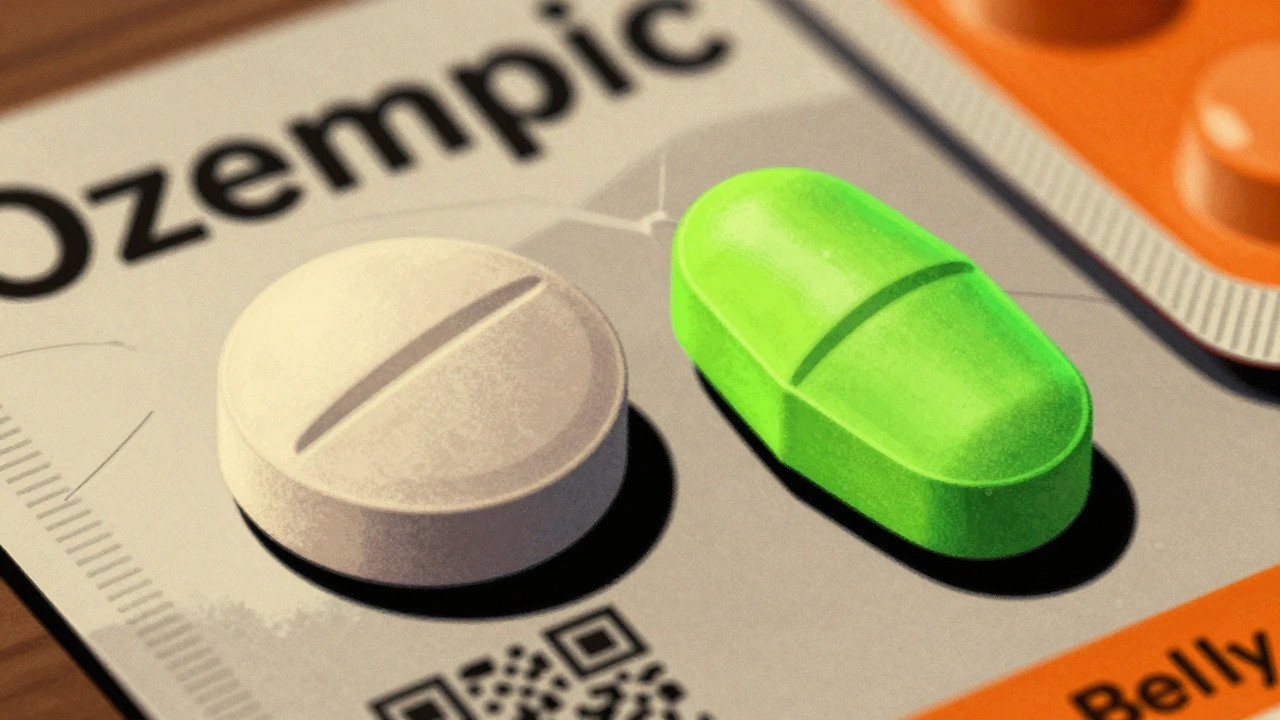
Counterfeit Generics: How to Spot Fake Pills and Stay Safe
When you pick up a generic pill, you expect it to work just like the brand-name version—same active ingredient, same dose, same effect. But what if it’s not real? Counterfeit generics, fake versions of generic medications that may contain no active drug, wrong ingredients, or toxic fillers. Also known as fake pills, these dangerous products are flooding markets worldwide, often sold through unregulated online pharmacies or shady distributors. They don’t just waste your money—they can kill you. The FDA has reported cases where counterfeit versions of antibiotics, blood pressure meds, and even cancer drugs contained rat poison, chalk, or floor cleaner.
These fakes thrive because they’re cheap to make and easy to hide. A counterfeit generic drug, a legally produced version of a brand-name medication after its patent expires might look identical to the real thing—same color, same shape, same imprint code. But look closer: the logo might be slightly off, the tablet might crumble easily, or the packaging might have blurry text. Real generics follow strict FDA rules for appearance and quality, while fakes don’t follow any rules at all. This is why medication safety, the practice of ensuring drugs are authentic, properly stored, and correctly used isn’t just about taking pills as directed—it’s about knowing where they came from.
Most counterfeit drugs enter the U.S. through online pharmacies that don’t require prescriptions. Some are sold as "discount generics" on social media or shady websites. Others show up in international shipments labeled as "dietary supplements." Even if you buy from a local pharmacy, always check the bottle. Does the label match the pharmacy’s usual style? Is the expiration date too far out? Are there spelling errors? If your pill looks different from last time and your pharmacist didn’t tell you about a switch, ask. A change in shape or color is normal if the manufacturer changed—but only if it’s a legal generic. Fake pills don’t tell you anything.
You’re not alone in this. Thousands of people have been poisoned by counterfeit versions of common drugs like sildenafil (Viagra), metformin, and even naloxone. The drug counterfeiting, the illegal production and distribution of fake medications industry is worth billions, and it’s growing. But you can fight back. Always get prescriptions filled at licensed pharmacies. Avoid websites that sell pills without a prescription. Keep your meds in original packaging. And if something feels wrong—trust your gut. Report suspicious drugs to the FDA. The posts below show you exactly how to spot red flags, what to do if you think you’ve been given a fake, and how to protect yourself from the next wave of dangerous fakes. You don’t need to be an expert to stay safe—you just need to know what to look for.
Counterfeit generics are fake versions of affordable medications that can be deadly. Learn how to spot them, where to buy safely, and what to do if you’ve been sold a fake pill.