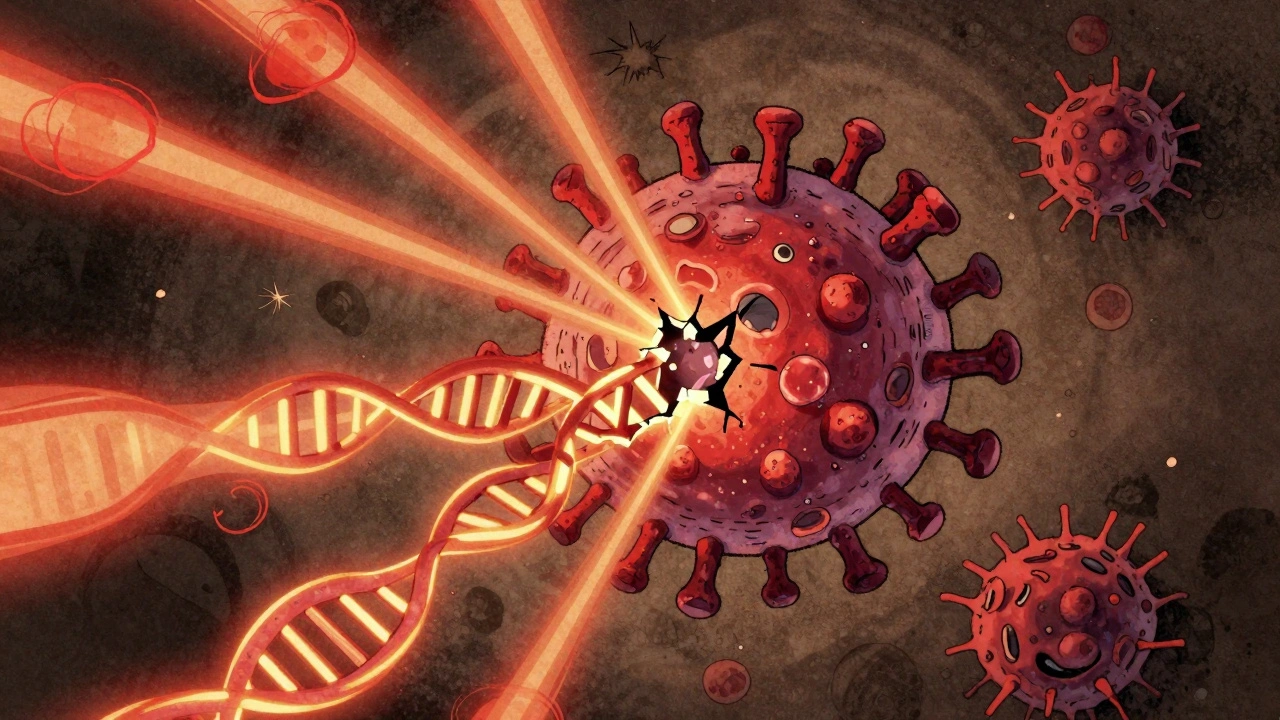
DNA damage: Causes, Repair, and How It Connects to Medications and Health
When your DNA damage, the physical break or chemical change in your DNA strands that can lead to mutations if not repaired. Also known as genetic injury, it happens constantly—every cell in your body deals with thousands of these errors daily from sunlight, pollution, even normal metabolism. Most of the time, your cells fix it using built-in repair systems. But when those systems fail, or when damage piles up too fast, it can lead to aging, cancer, or chronic disease.
Some chemotherapy, drugs designed to kill fast-growing cells by directly breaking DNA strands actually cause DNA damage on purpose. That’s how they stop cancer cells from multiplying. But this same damage can hurt healthy cells too—leading to side effects like fatigue, hair loss, or long-term risks. Meanwhile, DNA repair, the biological process where enzymes scan, cut out, and replace damaged sections of DNA is what keeps you from turning into a walking mutation. If your repair tools are weak—because of age, genetics, or certain medications—damage sticks around longer.
Think of DNA like a blueprint. Every time a page gets torn, smudged, or faded, your body has a team of editors trying to fix it. But if you keep exposing that blueprint to UV rays, cigarette smoke, or even some antibiotics, the editors get overwhelmed. That’s why avoiding unnecessary toxins matters—and why some medications, like those for chronic disease self-management, long-term health conditions that require ongoing care and monitoring, are chosen carefully to avoid adding extra stress to your cells.
You won’t see DNA damage with your eyes, but you can see its effects: premature gray hair, slower healing, higher cancer risk, or reactions to meds that don’t make sense. That’s why understanding this invisible process helps you ask better questions. If your doctor prescribes something that might stress your DNA, ask: "Is this the best option for my repair system?" Or if you’re on long-term meds, check if any of them are known to interfere with repair pathways. The posts below dig into real cases—from how antibiotics can accidentally harm your cells, to why some cancer drugs work better for certain people based on their repair genes. You’ll also find practical tips on reducing daily damage, what supplements might help (and which ones don’t), and how lifestyle choices like sleep and sun exposure play a role. This isn’t theory. It’s about what’s happening inside you right now—and what you can actually do about it.
Radiation therapy kills cancer cells by damaging their DNA, especially through double-strand breaks. Modern techniques make it precise, and new research shows it can also activate the immune system to fight cancer long-term.