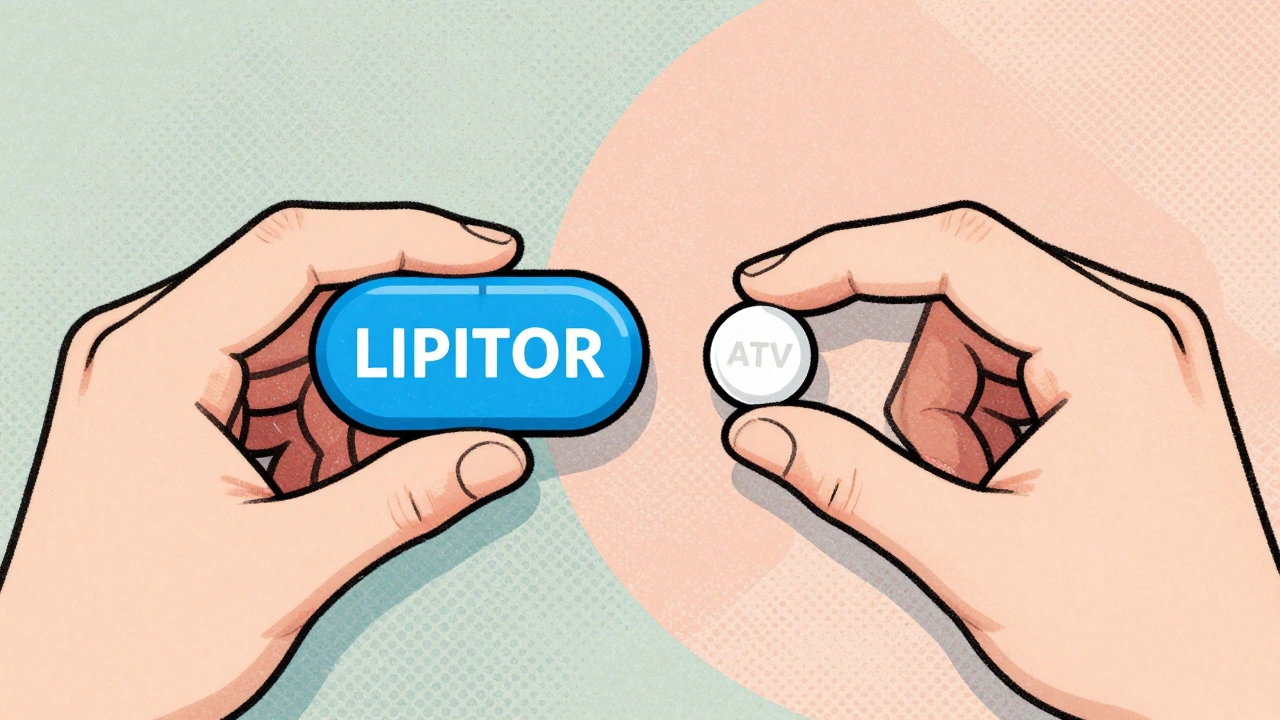
Drug Appearance: What Medications Really Look Like and Why It Matters
When you pick up a prescription, you’re not just getting a pill—you’re getting a drug appearance, the visual and physical characteristics that help identify a medication, including color, shape, size, and markings. Also known as pill identification, it’s one of the most overlooked safety checks in everyday medicine. A blue oval might be your antidepressant today, but if the pharmacy switches suppliers, that same pill could turn white and round tomorrow. If you don’t know what to expect, you might think you got the wrong medicine—or worse, you might not notice you’ve been given something completely different.
Drug appearance isn’t just about looks. It’s tied to pharmacy labels, the stickers, warnings, and instructions printed on medicine bottles that guide safe use. A red sticker saying "Take with food" or a black box warning isn’t decoration—it’s a direct response to how the drug behaves in your body. And when generics replace brand-name drugs, the appearance changes almost every time. The active ingredient stays the same, but the color, shape, and imprint? Totally different. That’s why so many people panic when they open a new bottle and don’t recognize the pill. It’s not a mistake—it’s normal. But without knowing what to look for, it becomes dangerous.
Even small changes matter. A pill with a "20" imprint could be a blood pressure med today and a painkiller next month, depending on the manufacturer. medication identification, the process of recognizing drugs by their physical traits to prevent errors is a skill everyone on medication should learn. You don’t need a pharmacy degree—you just need to pay attention. Keep your old pill bottles until you’ve taken all the new ones. Take a photo of your pills when you first get them. Use free online tools or apps to match color, shape, and imprint if you’re unsure. These aren’t fancy tricks—they’re basic safety habits.
And it’s not just about you. Kids, pets, and older adults with memory issues rely on visual cues to avoid mixing up meds. A child might grab a brightly colored pill thinking it’s candy. An elderly person might skip a dose because the pill looks unfamiliar. These aren’t rare cases—they happen every day. That’s why pharmacies use color-coded auxiliary labels and why the FDA requires unique imprints on all prescription pills. It’s not bureaucracy—it’s damage control.
What you’ll find below are real stories and practical guides from people who’ve been there: the mom who caught a dangerous mix-up because she noticed her son’s pill changed color, the nurse who taught her whole clinic how to track pill changes, the pharmacist who explains why your generic Adderall looks nothing like the brand name. These aren’t theoretical discussions. They’re lessons learned the hard way—and they can save your life.
Generic drugs look different from brand-name pills not because they're less effective, but because U.S. trademark laws require them to have a unique appearance. Learn why this rule exists, how it affects you, and what to do when your pill changes shape or color.