Generic Medication: What It Is, Why It Saves Money, and What You Need to Know
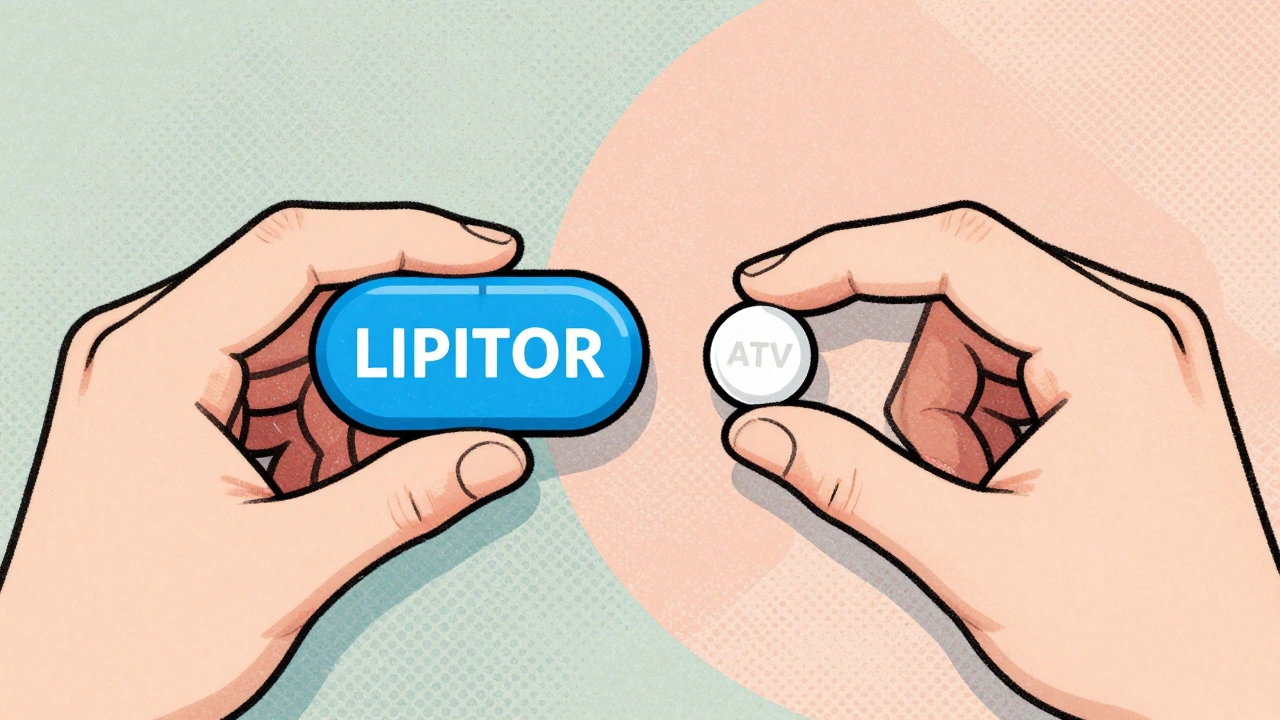
When you hear generic medication, a drug that contains the same active ingredient as a brand-name version, approved by the FDA as equally safe and effective. Also known as generic drugs, it is the backbone of affordable healthcare in the U.S., saving patients over $300 billion a year. Most people don’t realize that behind every expensive brand-name pill is a generic version that does the exact same job—just without the marketing budget. The FDA requires generics to match the brand in strength, dosage, how fast they work, and how well they’re absorbed. If your doctor prescribes Lipitor, the generic atorvastatin isn’t a "weaker" version—it’s the same molecule, made by a different company, often for a fraction of the price.
What makes therapeutic equivalence, the scientific standard that proves a generic drug performs identically to its brand-name counterpart so important? It’s the reason you can safely switch from Prilosec to omeprazole, or from Zoloft to sertraline, without worrying about your condition worsening. The FDA’s Orange Book, the official list of approved drug products with therapeutic equivalence evaluations is the go-to source for pharmacists to confirm which generics can be swapped without risk. But here’s the catch: not all generics are created equal in practice. Some patients report differences in side effects or how they feel—often due to inactive ingredients like fillers or dyes, not the active drug. That’s why knowing how to talk to your pharmacist about substitutions matters.
Generic medication isn’t just about cost—it’s about access. When a drug goes off-patent, multiple manufacturers can enter the market, driving prices down. That’s how a 30-day supply of metformin dropped from $200 to under $5. But supply chain issues, manufacturing shutdowns, and consolidation in the generic drug industry have caused shortages of even basic generics like antibiotics and blood pressure pills. That’s why tracking expiration dates, understanding auxiliary labels on your bottle, and knowing when to ask your doctor about alternatives (like in deprescribing or managing drug shortages) is just as important as choosing the right generic.
Whether you’re saving money on your monthly prescriptions, helping a parent manage multiple meds, or just trying to understand why your pill looks different this month, you’re dealing with the real-world impact of generic medication. Below, you’ll find practical guides on how to spot safe substitutions, avoid dangerous mix-ups, work with your pharmacist, and make sure you’re not overpaying for the same drug under a different name.
Generic drugs look different from brand-name pills not because they're less effective, but because U.S. trademark laws require them to have a unique appearance. Learn why this rule exists, how it affects you, and what to do when your pill changes shape or color.