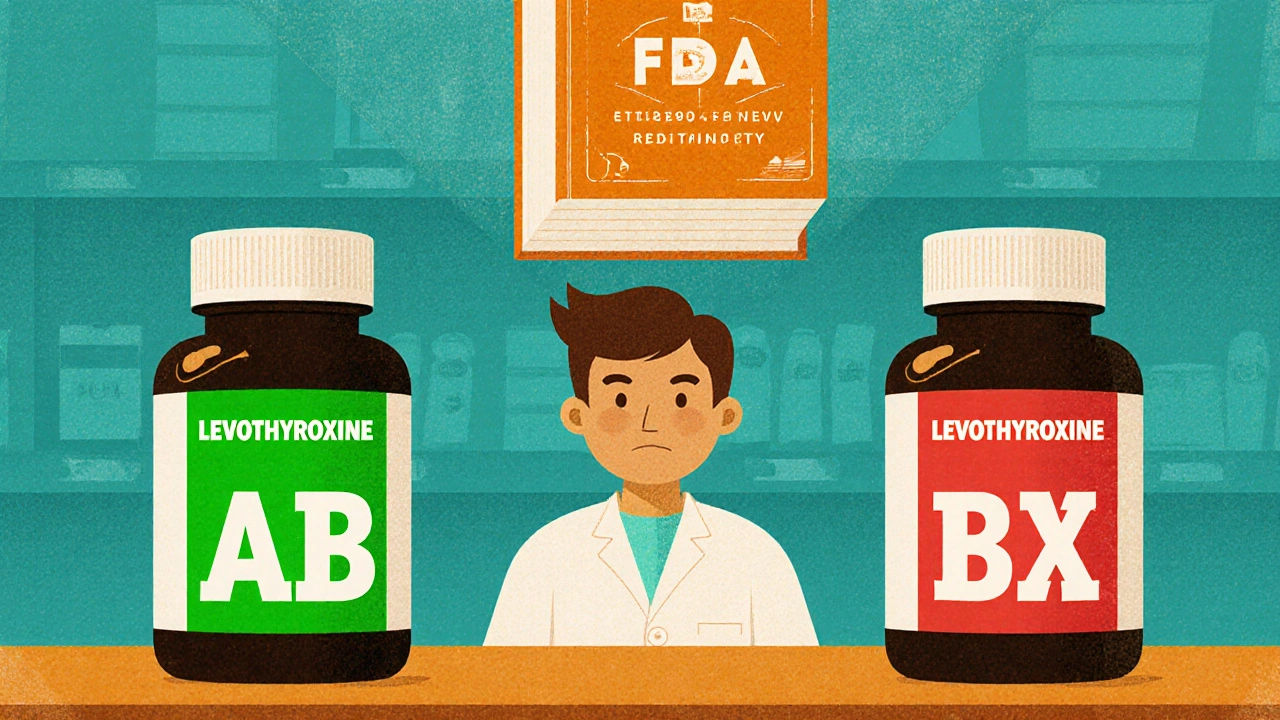
Generics Training: Learn How Generic Drugs Work and How to Use Them Safely
When you hear generics training, education focused on understanding generic medications, their approval process, and safe usage in clinical and personal settings. Also known as generic drug education, it helps patients and providers make smart, cost-effective choices without sacrificing quality. Most people think generic drugs are just cheaper versions of brand-name pills—but that’s not the whole story. Generics are required by law to have the same active ingredient, strength, dosage form, and route of administration as the original. They work the same way, in the same amount of time, with the same risks and benefits. The only differences? The color, shape, or filler ingredients—and the price, which is often 80% lower.
Why does this matter? Because generic drugs, FDA-approved medications that are chemically identical to brand-name drugs but sold under their chemical name. Also known as off-patent drugs, they make chronic treatments like blood pressure meds, antidepressants, and diabetes pills affordable for millions aren’t just about saving money—they’re about access. Without generics, many people would skip doses, split pills, or go without treatment altogether. But using them right requires knowledge. That’s where medication safety, the practice of preventing errors and harm from drugs through proper labeling, storage, and understanding of warnings. Also known as drug safety, it includes knowing when a generic might not be right for you—like with narrow-therapeutic-index drugs such as warfarin or levothyroxine comes in. Not all generics are created equal in every situation. Some people notice subtle differences in side effects or effectiveness, not because the drug is bad, but because fillers or absorption rates vary slightly. That’s why pharmaceutical education, structured learning about how drugs work, how they’re made, and how to use them correctly in real-world settings. Also known as drug literacy, it empowers patients to ask the right questions at the pharmacy and recognize red flags like sudden changes in how a pill looks or feels is so important. It’s not just for pharmacists or doctors. If you’re taking a generic version of your medication, you deserve to know why it works, how to spot a problem, and when to speak up.
Looking at the posts here, you’ll see real examples of how generics affect daily health: from buying generic Effexor online safely, to comparing Vantin with other antibiotics, or understanding how antitrust laws keep generic prices low. These aren’t theoretical—they’re the kinds of decisions real people make every day. You’ll find guides on tracking expiration dates, decoding prescription stickers, and choosing between brand and generic versions of common drugs. This collection isn’t about pushing one side—it’s about giving you the facts so you can decide what’s best for your body, your budget, and your life.
Pharmacists must stay updated on generics to ensure safe substitutions, comply with state laws, and avoid malpractice. Learn what CE is required, how to choose effective courses, and what’s changing in 2025.