Lyme Disease: Causes, Symptoms, and What You Need to Know
When a Lyme disease, a bacterial infection caused by the bacterium Borrelia burgdorferi and spread through the bite of infected black-legged ticks. Also known as borreliosis, it can start with a rash that looks like a bull’s-eye and quickly turn into joint pain, fatigue, or even brain fog if left untreated. It’s not just a summer problem—it’s a growing public health issue, especially in the Northeast and Upper Midwest of the U.S., where ticks thrive in wooded and grassy areas.
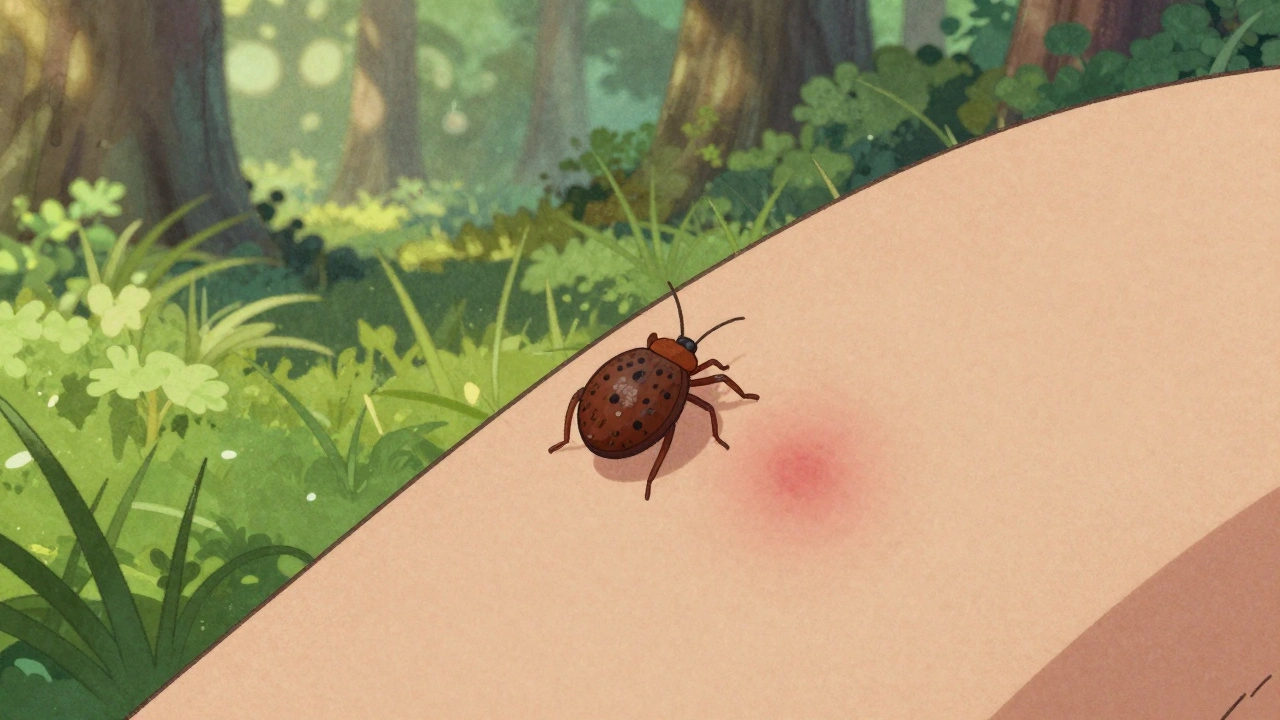
Most cases happen after a bite from an infected black-legged tick, also called the deer tick, which carries the bacterium Borrelia burgdorferi. These ticks are tiny—often smaller than a poppy seed—and can go unnoticed for days. The longer they stay attached, the higher the risk of transmission. Not every tick bite leads to Lyme, but if you’ve been in tick country and develop a rash, fever, or unexplained joint pain, don’t wait. Early treatment with a simple antibiotic course, typically doxycycline, amoxicillin, or cefuroxime, taken for 10 to 21 days can stop it in its tracks. Delayed treatment? That’s when things get messy—nerve damage, heart issues, and chronic joint inflammation can follow.
Testing for Lyme isn’t foolproof. Blood tests look for antibodies, but they can be negative in the first few weeks after infection. That’s why doctors often rely on symptoms and exposure history. Many people get misdiagnosed with fibromyalgia, chronic fatigue, or even depression because the symptoms overlap. If you’ve had a tick bite and feel off for weeks, ask about Lyme. It’s not a myth—it’s a real, treatable condition that’s often missed.
What you’ll find below are real, practical guides on how Lyme disease connects to everyday health concerns: how antibiotics interact with other meds, why some people struggle with lingering symptoms, how to avoid tick bites in the first place, and what to do if you’re stuck with long-term issues. These aren’t theory pieces—they’re from people who’ve been through it, pharmacists who’ve seen the side effects, and doctors who know what actually works. Whether you’re worried about a rash after a hike, dealing with joint pain after treatment, or just trying to understand why your doctor ordered that blood test, this collection gives you the straight facts—no fluff, no fearmongering, just what you need to take control.
Lyme disease is the most common tick-borne illness in the U.S., affecting nearly 500,000 people yearly. Early detection and antibiotic treatment can prevent serious complications - but delays lead to long-term health issues. Know the signs, act fast.