Medication Stickers: Organize, Track, and Safety-Check Your Pills
When you take multiple pills every day, medication stickers, adhesive labels used to identify, organize, and track prescription and over-the-counter drugs. Also known as pill labels, they’re one of the simplest, cheapest tools to prevent dangerous mix-ups and missed doses. Whether you’re managing diabetes, high blood pressure, or just a handful of daily supplements, stickers turn a chaotic medicine cabinet into a clear, safe system.
These aren’t just sticky notes. Effective medication stickers, adhesive labels used to identify, organize, and track prescription and over-the-counter drugs. Also known as pill labels, they’re one of the simplest, cheapest tools to prevent dangerous mix-ups and missed doses. are designed for quick reading—color-coded, date-stamped, and labeled with drug names and dosing times. People using chronic disease self-management, practical strategies to improve daily function while living with long-term health conditions rely on them to stay on track. Seniors following the Beers Criteria, a list of potentially unsafe medications for adults over 65 use them to avoid risky drugs. Even those tracking medication expiration, the date after which a drug may lose potency or become unsafe find stickers indispensable. A red sticker on a bottle of expired allopurinol? That’s a warning you won’t miss.
Stickers also help with therapeutic drug monitoring, the process of checking blood levels of medications like tacrolimus to ensure safe, effective dosing. If you’re on immunosuppressants, a sticker reminding you to check your lab results that week can prevent rejection or infection. For people using antihistamines, drugs like loratadine or desloratadine that treat allergies but can cause brain fog, a sticker noting "take at night" reduces daytime drowsiness. And if you’re buying generic plavix, the affordable version of the blood thinner clopidogrel online, a sticker with the pharmacy name and date helps you track where your pills came from.
You’ll find real-world examples in the posts below: how to build a pill tracker using stickers, how to label bottles for elderly parents, how to avoid expired drugs by color-coding, and even how to use stickers to spot dangerous drug interactions. These aren’t just tips—they’re lifesaving habits. The right sticker on the right bottle can mean the difference between staying healthy and ending up in the ER.
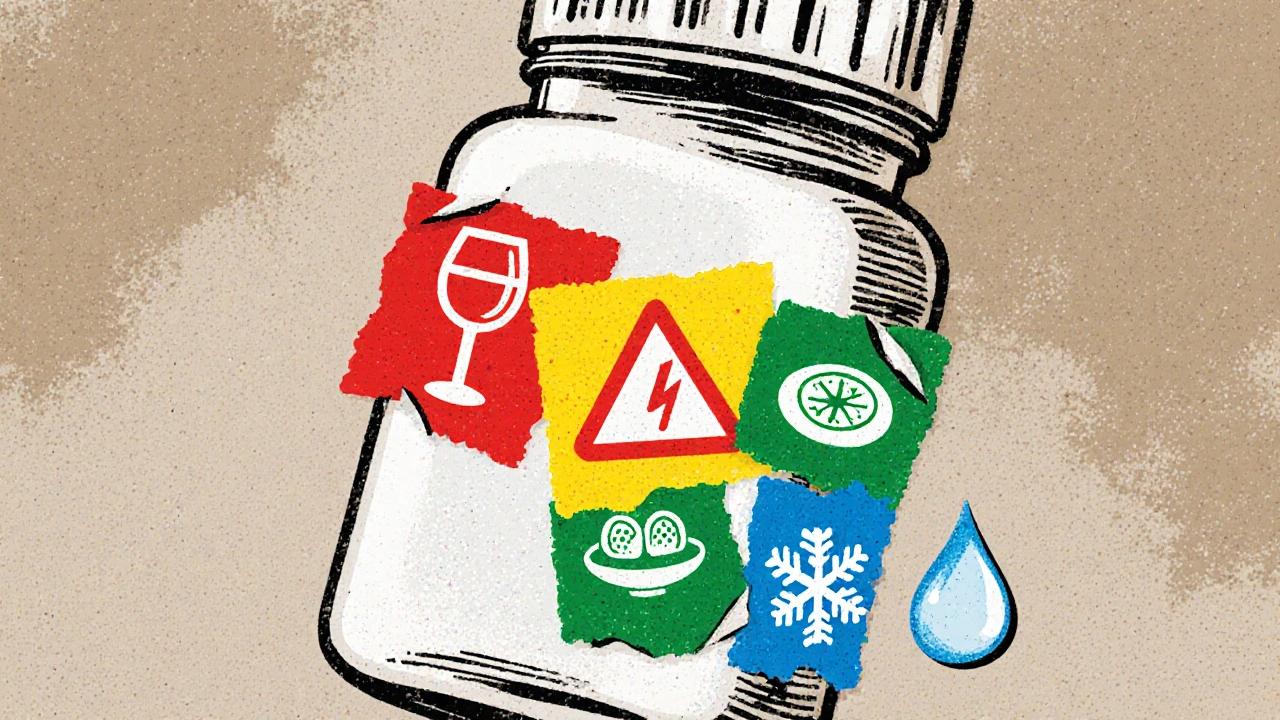
Color-coded auxiliary labels on medication bottles are critical safety tools that warn of interactions, guide usage, and improve adherence. Learn what each color means, why placement matters, and how they prevent thousands of medication errors each year.
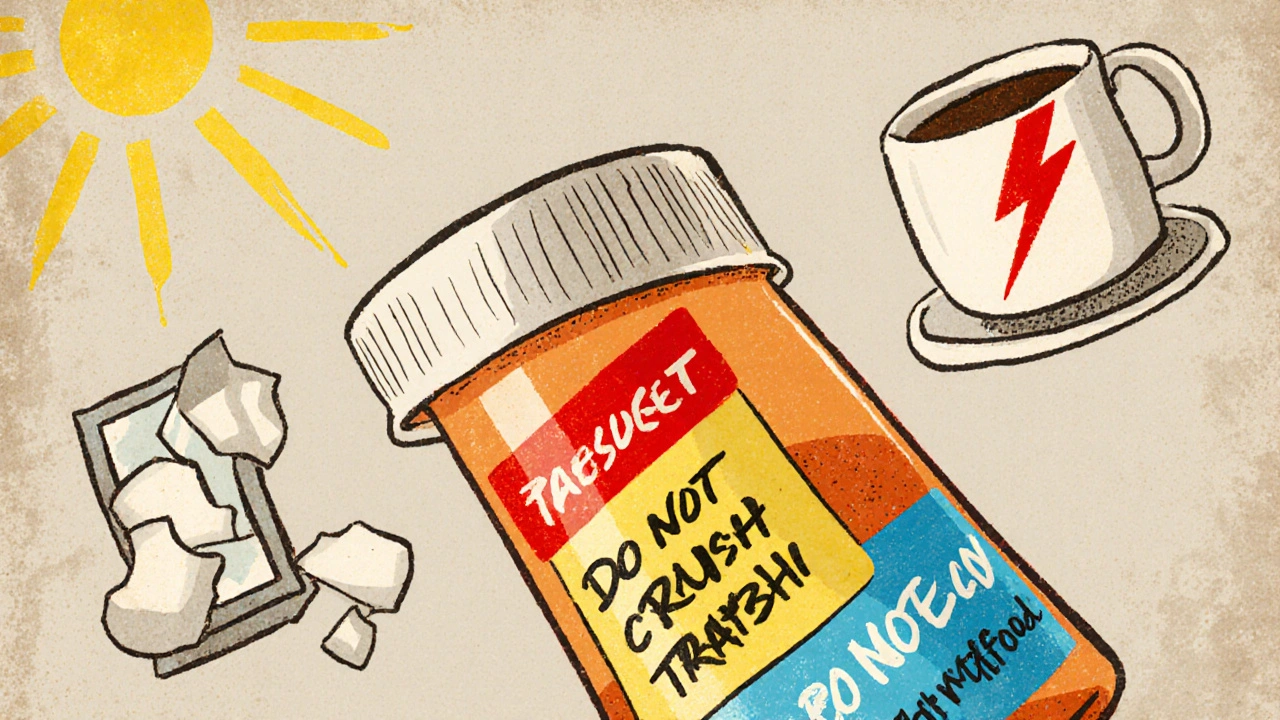
Prescription label warnings are life-saving instructions-but most people don’t understand them. Learn what black box warnings, color-coded stickers, and phrases like 'do not crush' really mean, and how to avoid dangerous mistakes.