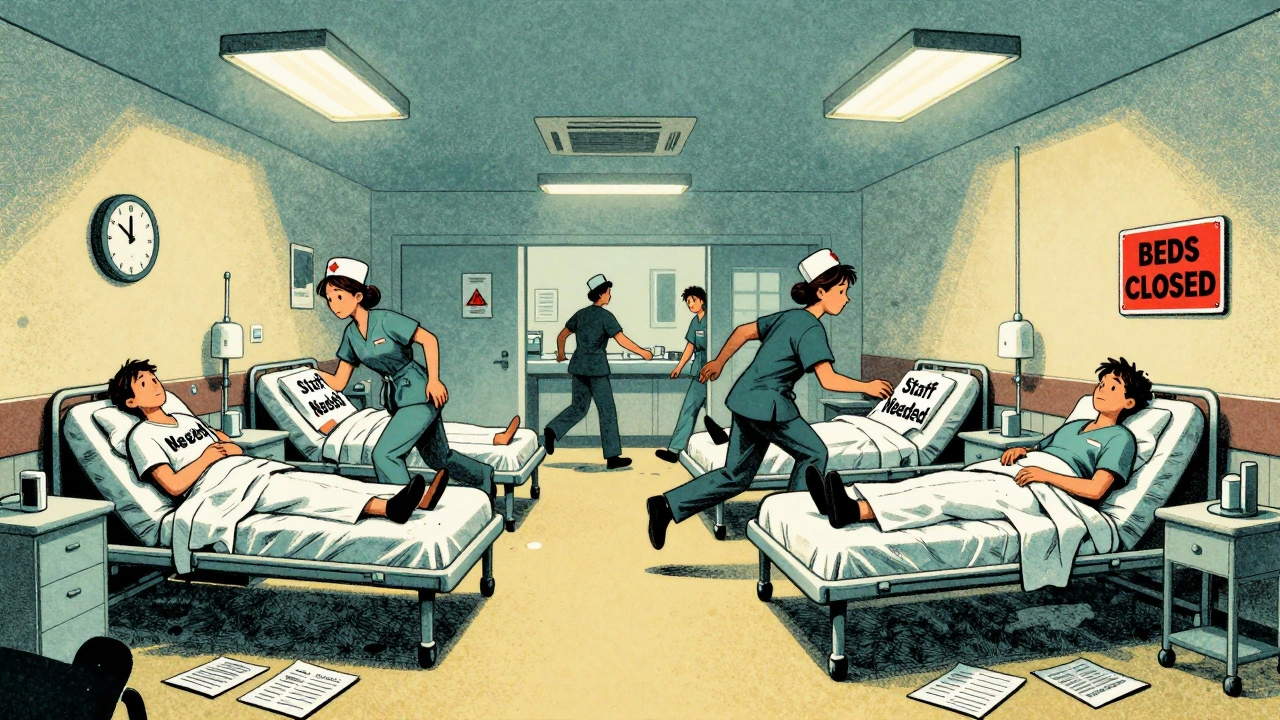
Nurse Shortage: Causes, Impact, and How It’s Changing Healthcare
When we talk about the nurse shortage, a critical gap between the number of registered nurses needed and the number available to provide care. It’s not just a staffing problem—it’s a safety issue. Also known as nursing workforce crisis, it’s pushing hospitals to cut shifts, delay care, and overload the nurses who are still on the job. This isn’t a future worry—it’s happening right now, in every state.
The healthcare staffing, the system of assigning and managing clinical personnel to meet patient needs system is built on nurses being there—round the clock. But burnout, early retirements, and not enough new grads entering the field are breaking that chain. A 2023 study from the American Nurses Association found that over half of nurses are thinking about leaving within two years. Why? Long hours, emotional exhaustion, and feeling like just another number. And when nurses leave, patients pay the price: longer wait times, more errors, and less time for real care.
The nursing workforce, the total number of licensed and practicing nurses in the healthcare system is aging fast. The average nurse is over 50, and many are retiring. At the same time, nursing schools can’t keep up—there aren’t enough instructors, classrooms, or clinical sites to train more. Even when new nurses graduate, they’re often pulled into high-pressure hospital roles before they’re fully confident. Meanwhile, patient care, the direct medical and emotional support given to individuals by healthcare providers is suffering. Think about the last time you or someone you love was in the hospital. Did the nurse have time to explain your meds? To answer your questions? To just sit with you when you were scared? If not, you’ve felt the impact of the shortage.
It’s not all bad news. Some hospitals are finally starting to pay better, offer flexible schedules, and hire more nurse assistants to ease the load. Telehealth and AI tools are helping with routine tasks, so nurses can focus on what matters most. But real change needs more than tech—it needs policy, investment, and respect for the people who show up every day when others can’t.
Below, you’ll find real stories and practical guides from the front lines. From how school nurses manage daily meds for kids to how hospitals handle drug shortages when staffing is already stretched thin. These aren’t abstract problems—they’re daily realities. And the solutions? They start with understanding what’s broken—and who’s holding it together.
Hospitals and clinics across the U.S. are struggling to stay open due to severe staffing shortages. Nurses are burned out, patients wait days for care, and rural areas are hit hardest. This isn't a temporary issue-it's a systemic crisis with no easy fix.