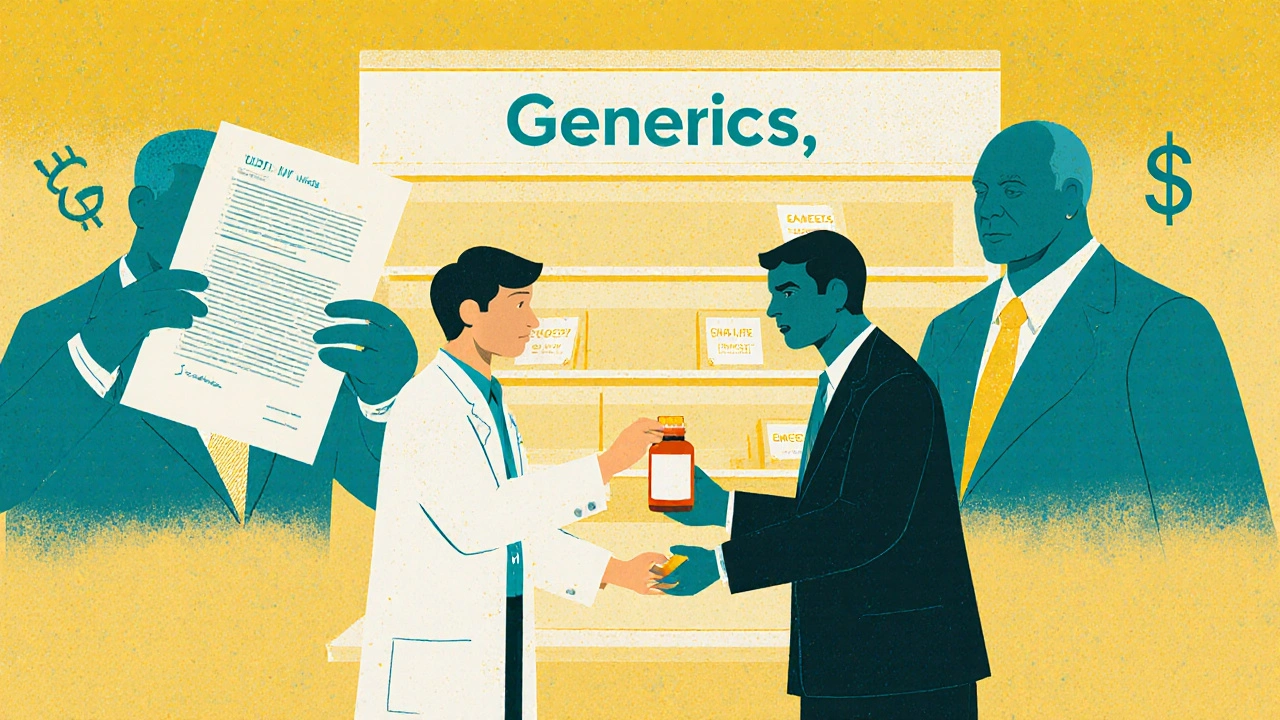
Pharmaceutical Competition: How Drug Rivalry Shapes Your Medication Choices
When you hear pharmaceutical competition, the market battle between drug makers over who gets to sell the most effective or cheapest version of a medicine. Also known as drug market rivalry, it’s what keeps prices from spiraling out of control and pushes companies to make better, safer versions of existing treatments. This isn’t just corporate drama—it directly affects what’s in your medicine cabinet, how much you pay at the pharmacy, and even which drugs your doctor prescribes.
Take generic medications, chemically identical copies of brand-name drugs that enter the market after patents expire. Also known as off-patent drugs, they’re the main result of pharmaceutical competition. When a drug like loratadine (Claritin) loses its patent, dozens of companies start making the same pill for a fraction of the price. That’s why you can now buy generic Alavert, generic Claritin, and generic Allegra—all the same active ingredient, but 80% cheaper. This kind of competition doesn’t just save money; it makes treatments accessible to more people. But competition isn’t just about generics. It’s also about newer drugs pushing older ones out. For example, semaglutide (Ozempic) didn’t just join the weight loss market—it changed the whole game, making older drugs like orlistat seem outdated. That’s why posts here compare Ranexa vs alternatives, Compazine vs ondansetron, and Vantin vs other antibiotics. Each comparison exists because a new player entered the ring.
And then there’s brand-name drugs, the original versions developed by pharmaceutical companies that hold patents and charge premium prices. Also known as innovator drugs, they’re the ones you see advertised on TV. But even these aren’t safe from competition. When a cheaper, equally effective version comes along—like how generic Plavix replaced the brand—it forces the original maker to lower prices, offer coupons, or develop a new version to stay relevant. That’s why you’ll find guides here on buying cheap generic Effexor or Plavix online. People aren’t just looking for deals—they’re responding to real market shifts driven by pharmaceutical competition. Even side effects become part of the battle. Desloratadine might cause brain fog, so companies push newer antihistamines that don’t. Beers Criteria lists risky drugs for seniors because competitors made safer options. This isn’t random—it’s strategy.
What you’ll find below isn’t just a list of drug comparisons. It’s a map of how pharmaceutical competition plays out in real life: through price drops, better safety profiles, and smarter formulations. You’ll see how this competition affects everything from gout treatment with allopurinol to how you manage COPD with inhalers. These aren’t abstract market theories—they’re decisions made in labs, boardrooms, and pharmacies that land right in your hands. Whether you’re trying to cut costs, avoid side effects, or understand why your doctor switched your med, this collection shows you the hidden forces behind every pill you take.
Antitrust laws shape the generic drug market by preventing pay-for-delay deals, patent abuse, and other tactics that block competition. These rules save consumers billions and keep medications affordable.