Poison Prevention: How to Keep Your Home Safe and Respond Fast
When we talk about poison prevention, the practice of reducing exposure to harmful substances in everyday environments. Also known as toxic exposure control, it’s not about avoiding chemicals entirely—it’s about knowing what’s dangerous, where it hides, and how to act before it’s too late. Every year, over 2 million poison exposures are reported in the U.S., and most happen right at home. It’s not just cleaning products or medicine bottles—some of the most common dangers are things you’d never suspect: certain houseplants, button batteries, even some vitamins if they’re left within reach.
Household toxins, substances commonly found in homes that can cause harm if ingested, inhaled, or absorbed through the skin show up in surprising places. Your laundry detergent might look harmless, but a few drops can cause serious burns in a child’s mouth. The same goes for essential oils—just because they’re "natural" doesn’t mean they’re safe to swallow. Even old paint or contaminated water can carry hidden risks like lead or arsenic. And when it comes to overdose response, the immediate actions taken after someone has taken too much of a medication or toxic substance, timing is everything. Waiting to see symptoms can cost precious minutes. Knowing where your poison control number is saved—and keeping it on the fridge—can make the difference between a scare and a tragedy.
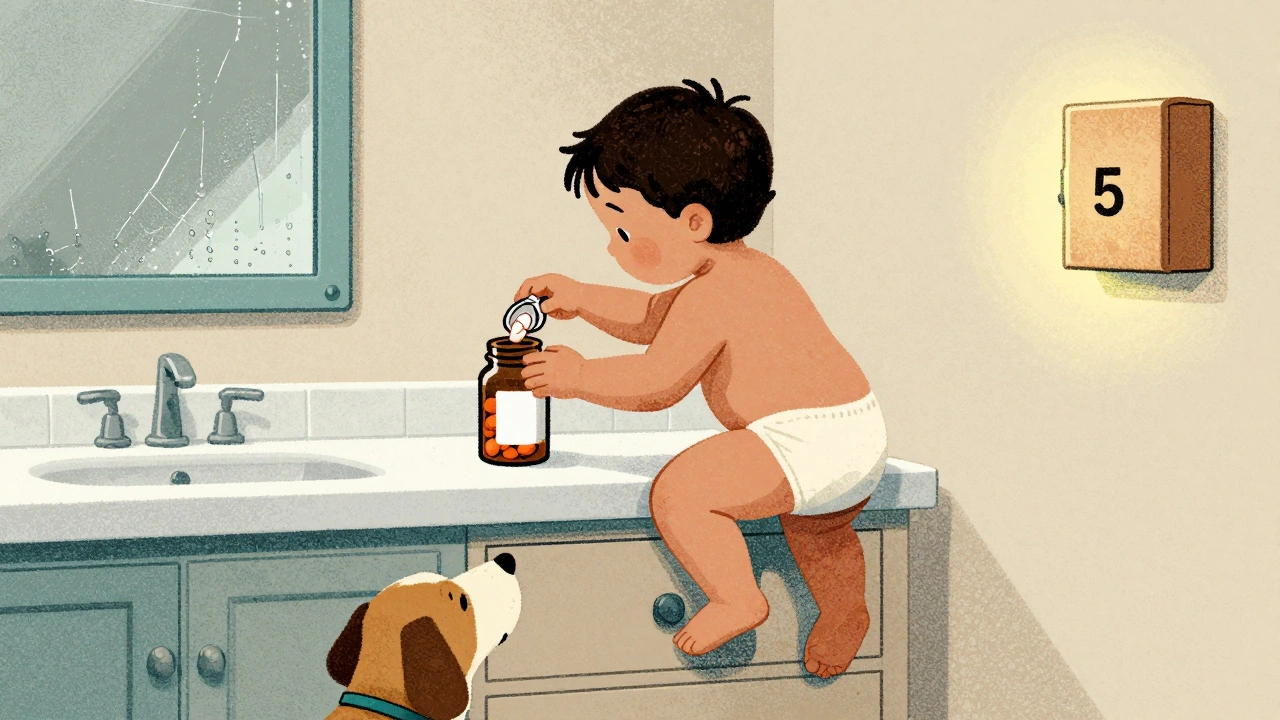
Child safety, measures taken to protect young children from accidental exposure to harmful substances is the biggest piece of poison prevention, but it’s not the only one. Adults get poisoned too—whether it’s mixing cleaning products, taking the wrong pill, or drinking alcohol with meds. The same rules apply: lock it up, read the label, and never guess. You don’t need a fancy kit to stay safe. A simple lock on the cabinet, a clear label on every bottle, and a quick check of expiration dates go a long way. And if you’re ever unsure whether something’s dangerous? Call poison control. They don’t judge. They just help.
What you’ll find below are real stories and practical guides from people who’ve dealt with poison risks firsthand—from parents managing medicine in busy households, to seniors sorting through old pills, to caregivers handling toxic exposures in nursing homes. These aren’t theoretical tips. They’re the kind of advice you wish you’d known before the emergency happened.
Learn how to safely store medications to protect children and pets from accidental poisoning. Discover where to lock meds, why original packaging matters, and how to prevent deadly mix-ups between human and pet drugs.