SSRI Side Effects: What You Need to Know Before Taking Antidepressants
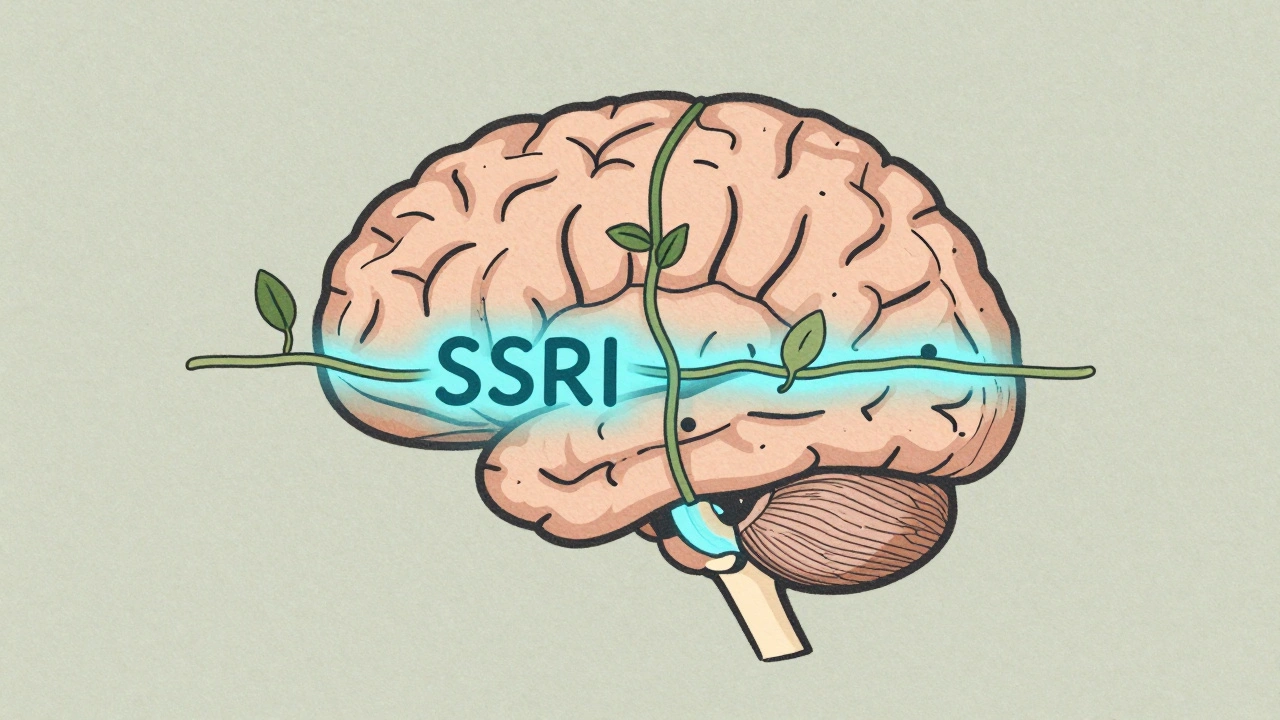
When you start taking an SSRI, a class of antidepressants that increase serotonin levels in the brain to improve mood. Also known as selective serotonin reuptake inhibitors, these drugs are among the most prescribed treatments for depression and anxiety. But while they help millions, they don’t come without trade-offs. Many people feel better within weeks, but others deal with side effects that make them question whether the benefits are worth it.
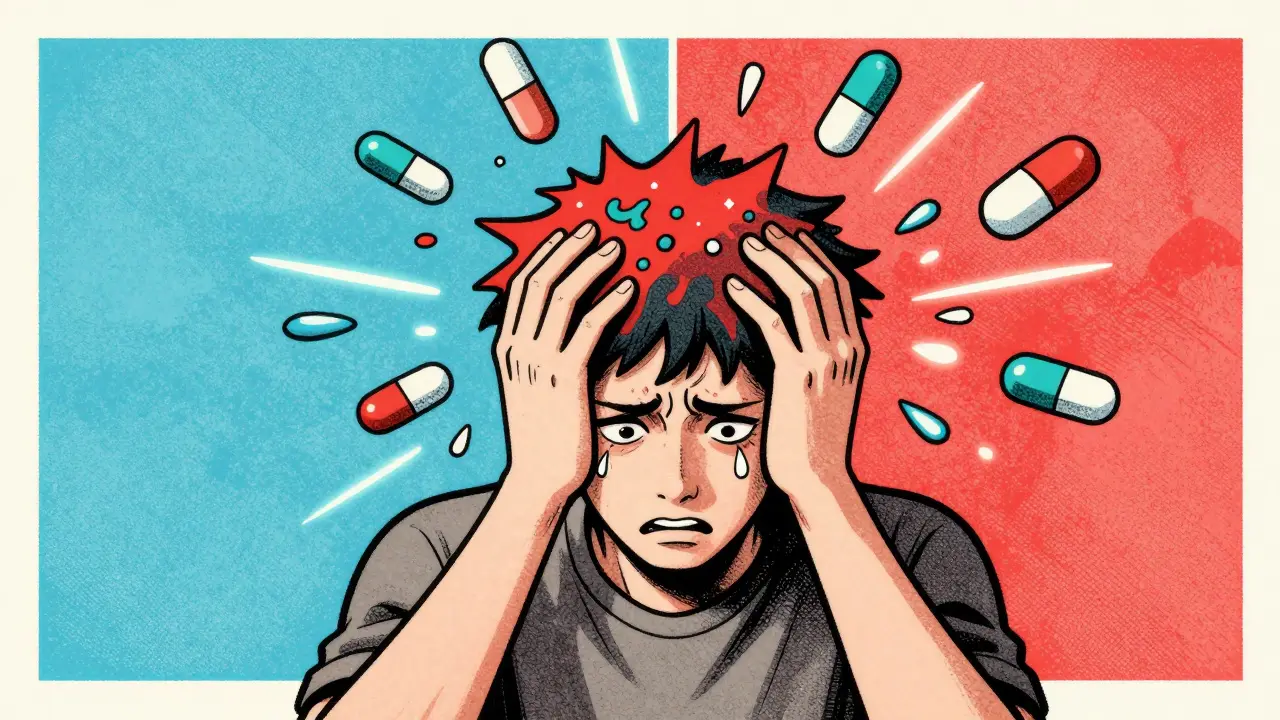
Common SSRI side effects, temporary reactions like nausea, insomnia, or sexual dysfunction that often fade after a few weeks are normal at first. But some effects don’t go away. Up to 60% of users report sexual problems—lower desire, trouble reaching orgasm, or delayed arousal. That’s not rare; it’s expected. Other issues include weight gain, dizziness, and feeling emotionally flat. These aren’t just side notes—they’re real reasons people stop taking their meds.
Then there’s the risk of serotonin syndrome, a rare but dangerous reaction caused by too much serotonin, often from mixing SSRIs with other drugs like tramadol or St. John’s wort. Symptoms? Confusion, rapid heart rate, sweating, muscle rigidity. It’s urgent. If you feel this way, seek help immediately. And don’t forget withdrawal symptoms, the jitters, brain zaps, and flu-like feelings that can hit if you quit SSRIs too fast. Stopping cold turkey isn’t just uncomfortable—it can be dangerous. Tapering slowly under a doctor’s care makes all the difference.
What you won’t find in the pamphlet: how often these side effects actually lead people to quit. Studies show nearly half of those prescribed SSRIs stop within six months—not because the drug didn’t work, but because the side effects were too hard to live with. That’s why knowing what to expect matters more than you think. It’s not about avoiding medication. It’s about managing it smartly.
You’ll find real stories here—not theory, not marketing. Posts that break down what happens when your pill changes how you sleep, how you feel about sex, or how your body reacts to caffeine. You’ll see how people handled nausea without ditching their meds, how to spot early signs of serotonin overload, and why some folks need to switch to a different SSRI instead of quitting entirely. No fluff. No jargon. Just what works, what doesn’t, and what your doctor might not tell you unless you ask.
Serotonin syndrome is a life-threatening reaction to too much serotonin, often triggered by SSRIs combined with other drugs. Know the signs-clonus, fever, confusion-and act fast. Early treatment saves lives.
Buspirone augmentation with SSRIs offers a safe, effective way to treat treatment-resistant depression without the weight gain or sexual side effects of other options. Learn how it works, who benefits most, and what to expect.