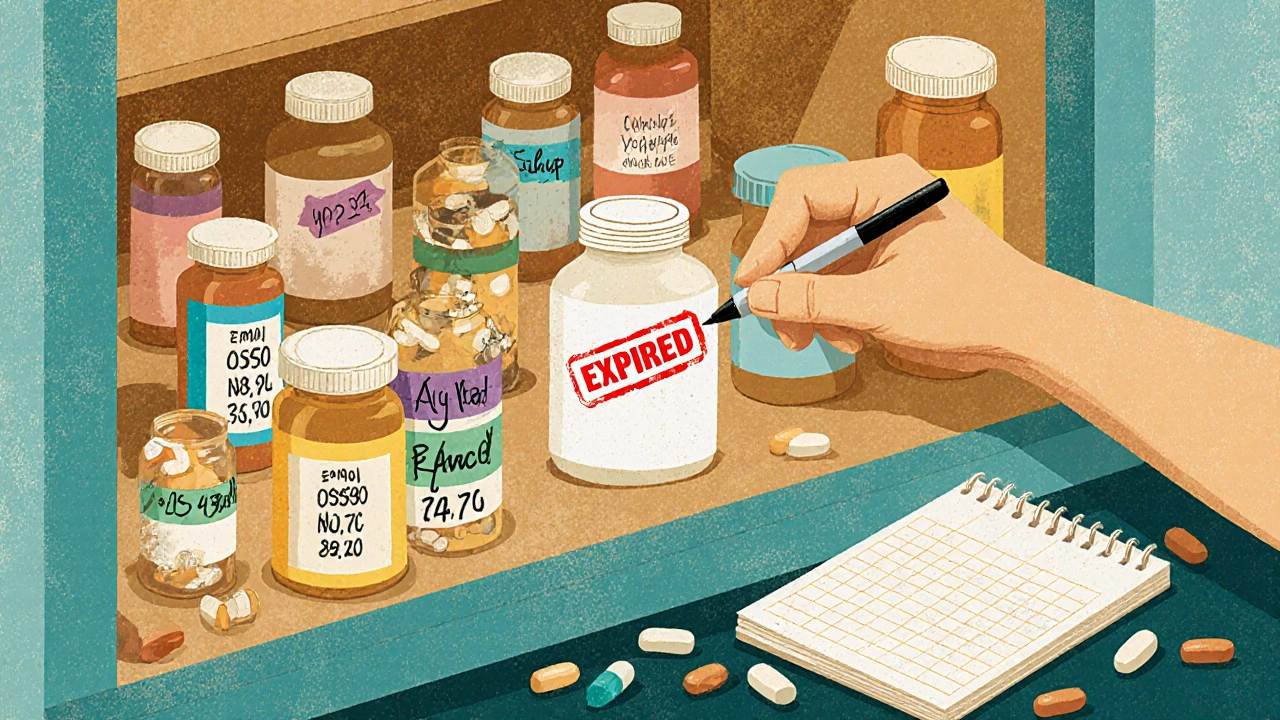
Expired Drugs Safety: What Happens When Medicines Go Bad
When you find an old bottle of pills in the back of your medicine cabinet, you might wonder: expired drugs safety, the risk and effectiveness of using medications past their labeled expiration date. The truth is simple—most expired drugs don’t suddenly turn toxic, but they also don’t always work like they should. The FDA and drug manufacturers set expiration dates based on stability testing, not guesswork. After that date, the active ingredient may break down, losing strength. For some drugs, like antibiotics or heart medications, that drop in potency isn’t just inconvenient—it’s dangerous.
Take tetracycline, an antibiotic that can degrade into harmful compounds after expiration. While rare, cases of kidney damage have been linked to old tetracycline. Even common painkillers like ibuprofen or acetaminophen can lose up to 30% of their strength after a few years past the date. And if you’re relying on an expired EpiPen during an allergic reaction, you’re gambling with your life. drug potency, how strong a medication remains over time matters more than you think. Insulin, nitroglycerin, and liquid antibiotics are especially sensitive to time and heat. A bottle of insulin that’s been sitting in a hot car for months might look fine—but it won’t control your blood sugar.
It’s not just about what’s in the pill. The packaging matters too. Expired blister packs can let in moisture. Old liquid suspensions can grow bacteria. Even if the chemical hasn’t broken down, the delivery system might be compromised. That’s why pharmacies don’t dispense expired meds, and why hospitals discard them. pharmaceutical waste, how unused or outdated medications are safely disposed of is a real issue, but tossing old pills in the trash isn’t the answer either—flushing them pollutes water systems. The best move? Take them to a drug take-back program or use a deactivation kit if you have one.
What about those pills that are just a few months past the date? Maybe your anxiety med, or your allergy pill? If you’re healthy and the drug isn’t life-critical, you might be fine. But if you have a chronic condition—like high blood pressure, epilepsy, or diabetes—don’t risk it. Your body doesn’t care if the bottle says "use by 2023." It only knows if the dose is right. And if you’re unsure? Ask your pharmacist. They’ve seen it all, and they’ll tell you straight: when in doubt, throw it out.
Below, you’ll find real-world guides on how to read prescription labels, spot dangerous medications for older adults, understand how drugs break down over time, and avoid the hidden risks of keeping old pills around. These aren’t theoretical tips—they’re based on what actually happens in medicine cabinets, pharmacies, and ERs. Whether you’re cleaning out your medicine shelf or helping a parent sort through their meds, this collection gives you the facts you need to stay safe.
Learn how to track medication expiration dates in your cabinet with simple, proven methods. Avoid risks from expired pills and keep your medicines safe and effective.