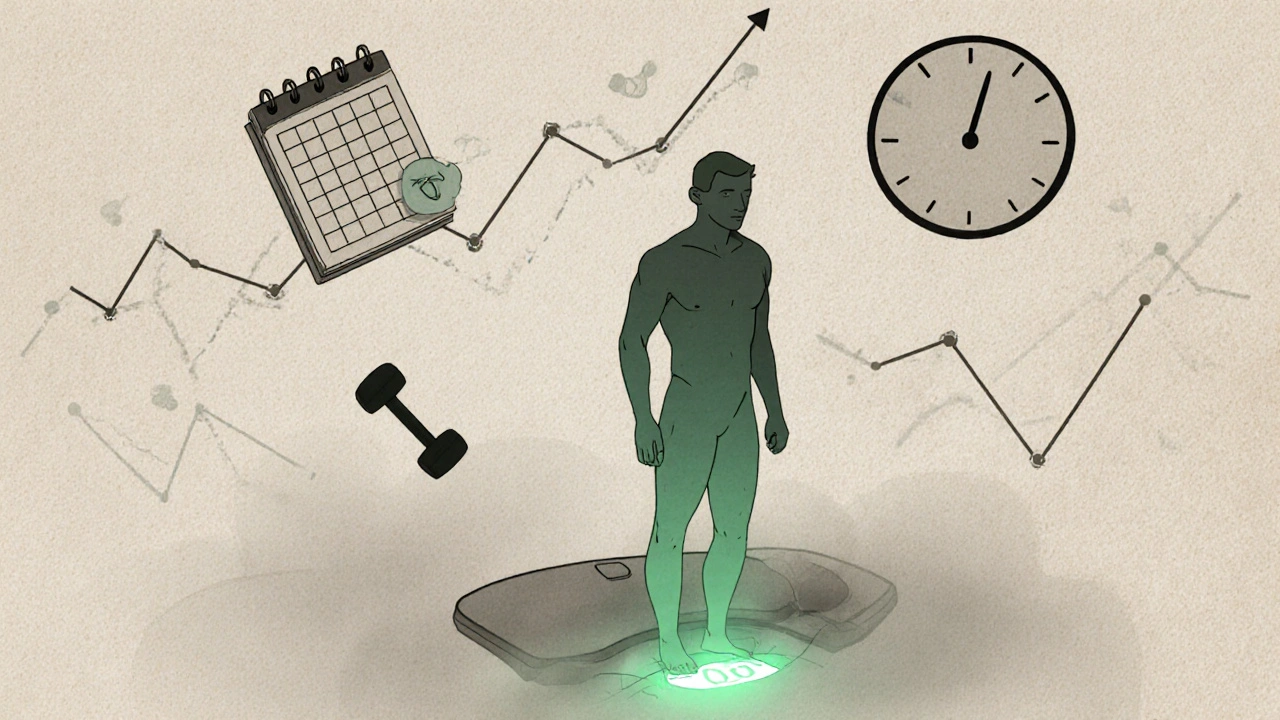
Metabolic Adaptation: How Your Body Adjusts to Diet, Stress, and Weight Loss
When you lose weight, your body doesn’t just go along with it—it fights back. This is metabolic adaptation, the body’s natural response to reduced calorie intake, where it lowers energy expenditure to conserve fuel. Also known as adaptive thermogenesis, it’s why people often stall out on diets even when they’re still eating very little. It’s not laziness. It’s biology. Your basal metabolic rate, the number of calories your body burns at rest to keep you alive drops. Your thyroid may slow down. Hormones like leptin and ghrelin shift, making you hungrier and less satisfied after meals. This isn’t a flaw—it’s a survival mechanism.
Metabolic adaptation kicks in not just during dieting, but also after long-term stress, illness, or extreme exercise. It’s why someone who lost 50 pounds might struggle to keep it off, even if they eat the same as before. The body thinks it’s in famine mode. It’s also why crash diets backfire: the bigger the drop in calories, the harder your metabolism clamps down. And when you finally eat normally again, your body stores fat more efficiently—because it’s still expecting the next famine.
What helps? Not more willpower. Not more cardio. It’s about working with your biology, not against it. Building muscle helps raise your basal metabolic rate, the number of calories your body burns at rest to keep you alive because muscle uses more energy than fat. Eating enough protein keeps your metabolism active and reduces muscle loss. Managing stress and sleep matters too—cortisol can make your body hold onto fat even when calories are low. And sometimes, a short break from dieting—a refeed or maintenance phase—lets your metabolism reset.
You’ll find real examples in the posts below: how metabolic adaptation shows up in weight loss struggles, why some medications affect thyroid function and calorie burning, how chronic disease changes energy use, and what tools help you track progress when the scale won’t budge. These aren’t theories—they’re practical insights from people who’ve been there. Whether you’re fighting a weight plateau, managing a long-term condition, or just wondering why dieting feels harder than it should, the answers here are grounded in what actually happens inside your body—not what ads promise.
Weight loss plateaus happen because your metabolism slows down in response to calorie restriction. Learn why this occurs, how to break through it with science-backed strategies, and what really works-beyond just eating less.