Pharmacy Warnings: Critical Safety Alerts You Can't Ignore
When you pick up a prescription, pharmacy warnings, official alerts about risks tied to medications. Also known as drug safety alerts, these are the quiet but vital checks that stop harm before it starts. They’re not just fine print—they’re your last line of defense against side effects, deadly interactions, and mistakes that happen every day.
These warnings connect to real risks you might not even know about. Take Beers Criteria, a list of drugs that are risky for older adults. It’s not a suggestion—it’s a red flag for doctors and pharmacists. Medications like certain antihistamines or sleeping pills can cause falls, confusion, or even strokes in people over 65. Then there’s medication expiration, when drugs lose strength or turn harmful over time. That bottle of antibiotics from last year? It might not kill the infection—and could make you sicker. And don’t forget drug interactions, when two or more meds clash in dangerous ways. A common painkiller with blood pressure medicine? That combo can crash your kidneys. These aren’t rare edge cases. They’re everyday dangers hidden in plain sight.
What you’ll find here isn’t theory. It’s what people actually run into. From how pharmacy warnings stop older adults from taking dangerous drugs, to why tracking expiration dates matters more than you think, to the quiet side effects of allergy pills that fog your brain—these posts show you the real stakes. You’ll learn how to read between the lines of your prescription label, spot red flags your pharmacist might not have time to explain, and ask the right questions before you swallow anything. No jargon. No fluff. Just what you need to keep yourself and your family safe.
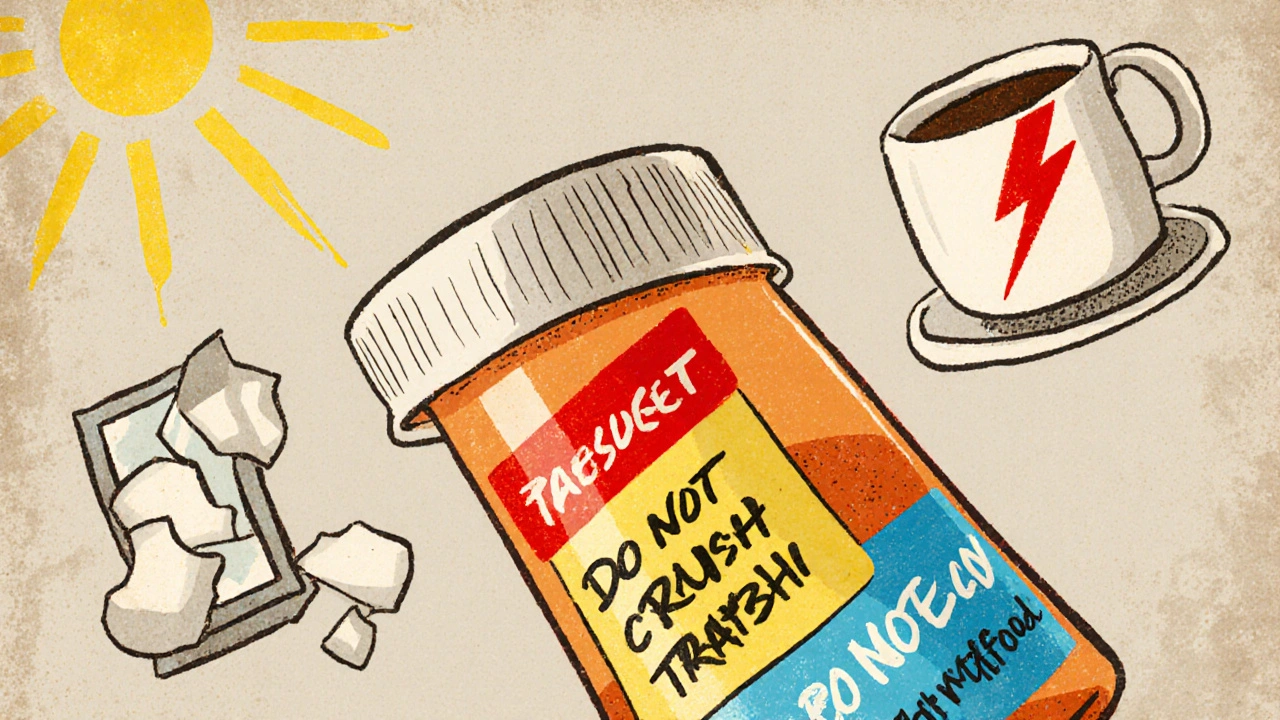
Prescription label warnings are life-saving instructions-but most people don’t understand them. Learn what black box warnings, color-coded stickers, and phrases like 'do not crush' really mean, and how to avoid dangerous mistakes.