Radiation Therapy: What It Is, How It Works, and What to Expect
When you hear radiation therapy, a medical treatment that uses high-energy particles or waves to kill or shrink cancer cells. Also known as radiotherapy, it's one of the most common ways doctors fight cancer—often used alone or with surgery and chemotherapy. It’s not magic, but it’s precise. Machines aim beams at tumors while trying to spare healthy tissue, and in cases like thyroid cancer, patients swallow a capsule of radioactive iodine, a targeted treatment that travels through the bloodstream to destroy remaining thyroid tissue after surgery. This isn’t just theory—it’s routine care for thousands.
Radiation therapy isn’t just for one kind of cancer. It’s used for breast, lung, prostate, and head and neck cancers, too. The goal? Stop tumors from growing or kill them outright. For thyroid cancer patients, radioactive iodine therapy is often the next step after a thyroidectomy, the surgical removal of all or part of the thyroid gland. After that, the radioactive iodine finds and wipes out any leftover cancer cells that surgery missed. It’s not scary if you understand it: you’re not glowing, you’re not contagious after a few days, and most people go home the same day.
But it’s not all clean wins. Radiation can cause fatigue, skin redness, or nausea, depending on where it’s aimed. Some side effects show up weeks later. That’s why knowing what to expect matters. You’re not alone—many people on this path also manage pain, nausea from opioids, or need help with daily routines after treatment. That’s why posts here cover everything from how to track your meds during treatment to how to talk to your doctor about stopping drugs you no longer need.
What you’ll find below isn’t a textbook. It’s real talk from people who’ve been through it. You’ll see how radiation therapy fits into larger treatment plans, how it connects to medication safety, and how side effects are managed. Whether you’re a patient, a caregiver, or just trying to understand what’s happening, these posts give you the facts without the fluff.
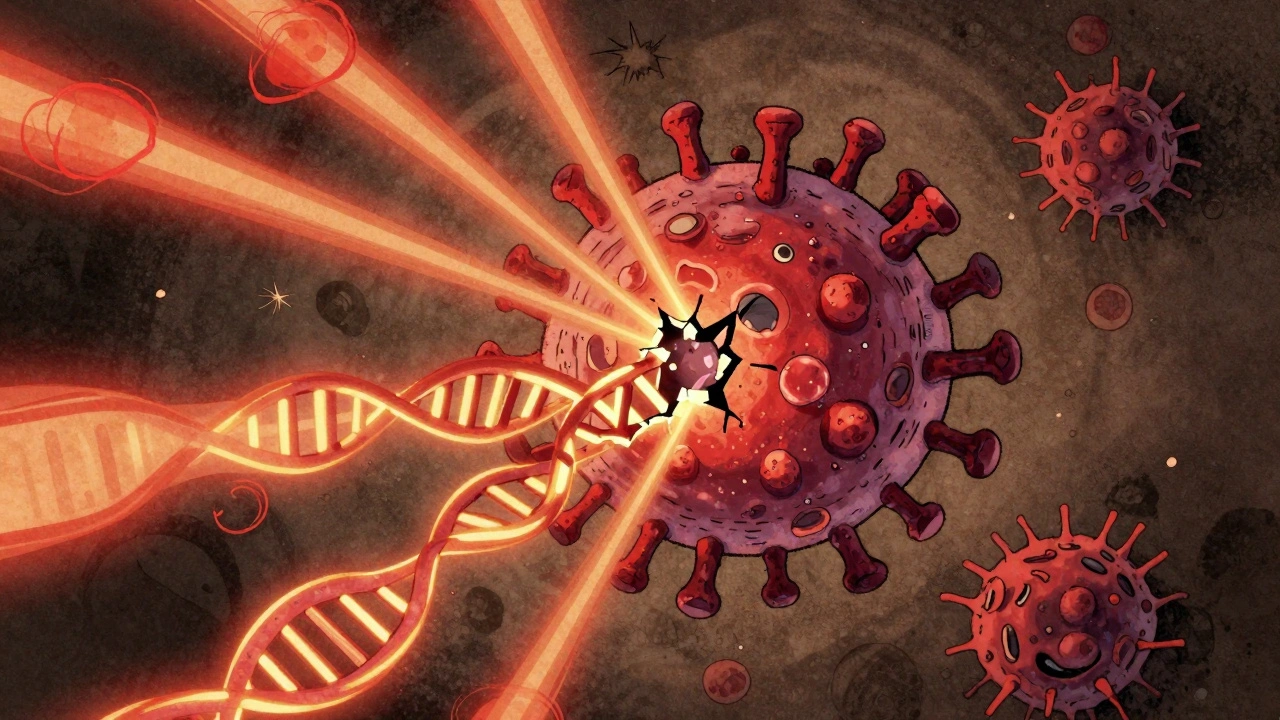
Radiation therapy kills cancer cells by damaging their DNA, especially through double-strand breaks. Modern techniques make it precise, and new research shows it can also activate the immune system to fight cancer long-term.