Radiotherapy: What It Is, How It Works, and What to Expect
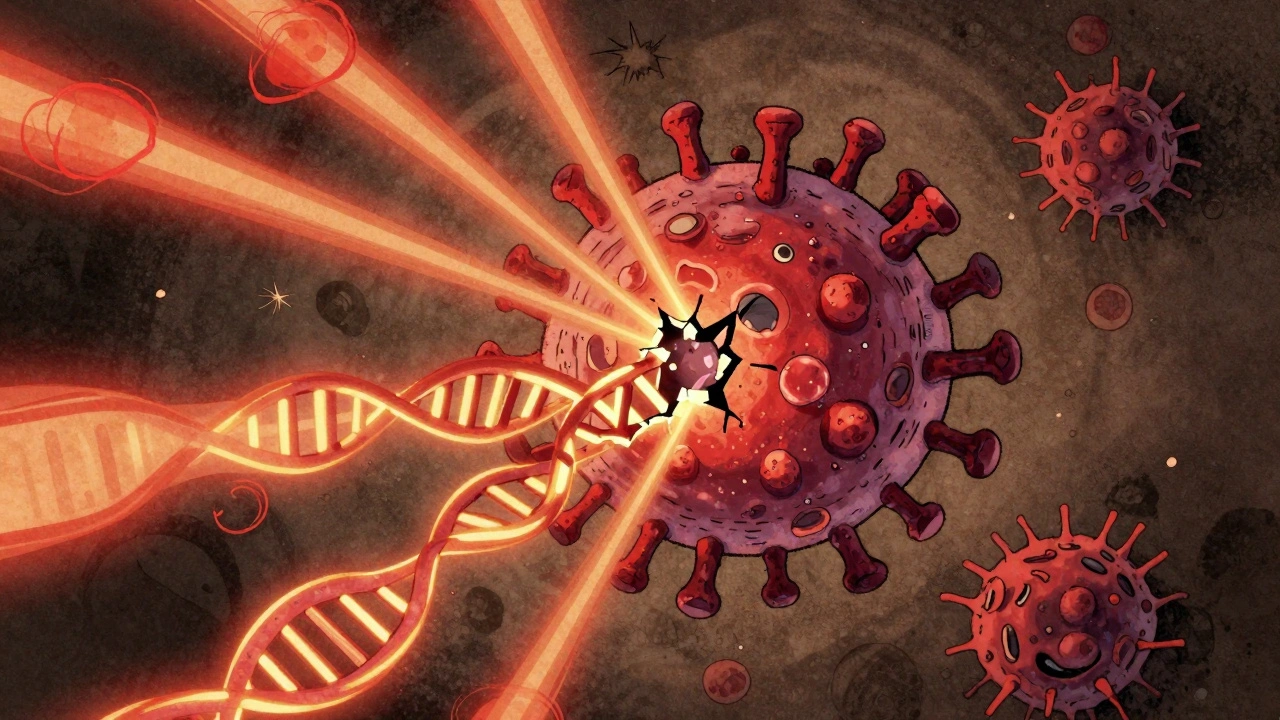
When you hear the word radiotherapy, a medical treatment that uses high-energy radiation to kill cancer cells. Also known as radiation therapy, it's one of the most common ways to treat cancer—used alone or with surgery and chemotherapy. It’s not magic. It’s science. And it works by damaging the DNA inside cancer cells so they can’t multiply. Healthy cells can repair themselves better than cancer cells, which is why doctors can target tumors without wiping out your whole body.
Radiotherapy isn’t just for one kind of cancer. It’s used for thyroid cancer, a highly treatable cancer often managed with radioactive iodine, which is a form of internal radiotherapy. It’s also used for breast, prostate, lung, and brain cancers. The treatment isn’t the same for everyone. Some people get a few sessions over a week. Others need daily treatments for six weeks. The dose, timing, and method depend on the tumor’s size, location, and how aggressive it is.
It’s not all about the machine. radioactive iodine, a targeted treatment swallowed as a pill or liquid, is a special kind of radiotherapy that only affects thyroid tissue. That’s why it’s so effective for thyroid cancer—it goes straight to the problem and leaves the rest of your body mostly untouched. But even with precision, side effects happen. Fatigue, skin redness, and dry mouth are common. For thyroid patients, temporary voice changes or taste loss can occur. These aren’t signs it’s failing—they’re signs it’s working.
What you won’t see on TV is the quiet part: how radiotherapy fits into life. People still work, cook, and walk their dogs during treatment. Some need to rest more. Others push through. The key is communication—with your oncologist, your pharmacist, and your family. Knowing what to expect helps you plan. You might need to adjust your meds, avoid certain foods, or skip the gym for a bit. It’s not about being brave. It’s about being smart.
And it’s not the only tool. Radiotherapy often teams up with other treatments. In thyroid cancer, surgery comes first. Then comes radioactive iodine. Then follow-up scans. Each step has a purpose. In other cancers, chemo might shrink a tumor before radiation even starts. Or radiation might be used after surgery to clean up leftover cells. The goal is always the same: stop cancer from coming back.
What you’ll find in the posts below are real stories and practical details about how radiotherapy fits into life. From how it’s used in thyroid cancer to how side effects are managed, these articles give you the facts without the fluff. You’ll learn what to ask your doctor, what to watch for after treatment, and how to make sense of the confusing terms and labels that come with it. This isn’t theory. It’s what people actually go through—and how they get through it.
Radiation therapy kills cancer cells by damaging their DNA, especially through double-strand breaks. Modern techniques make it precise, and new research shows it can also activate the immune system to fight cancer long-term.