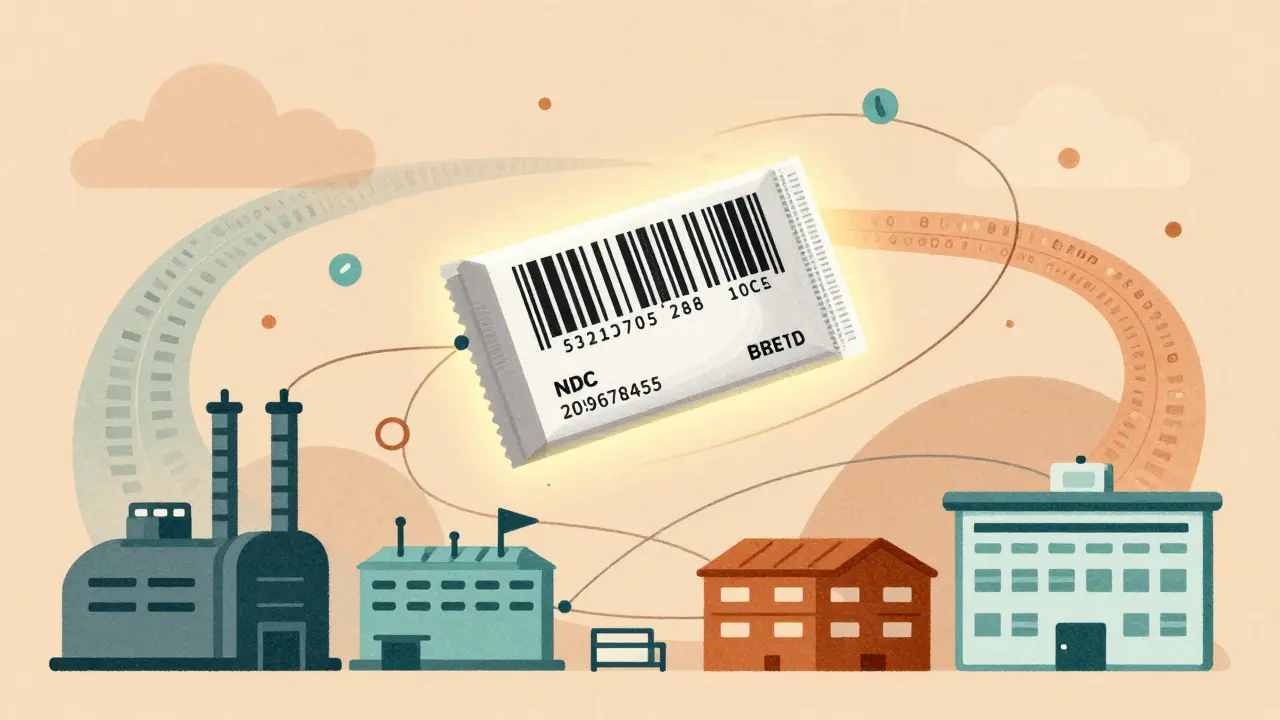
Learn how the U.S. pharmaceutical supply chain uses serialization, electronic tracking, and strict regulations to prevent counterfeit drugs from reaching patients. Discover the technology, challenges, and real-world impact of the DSCSA system.
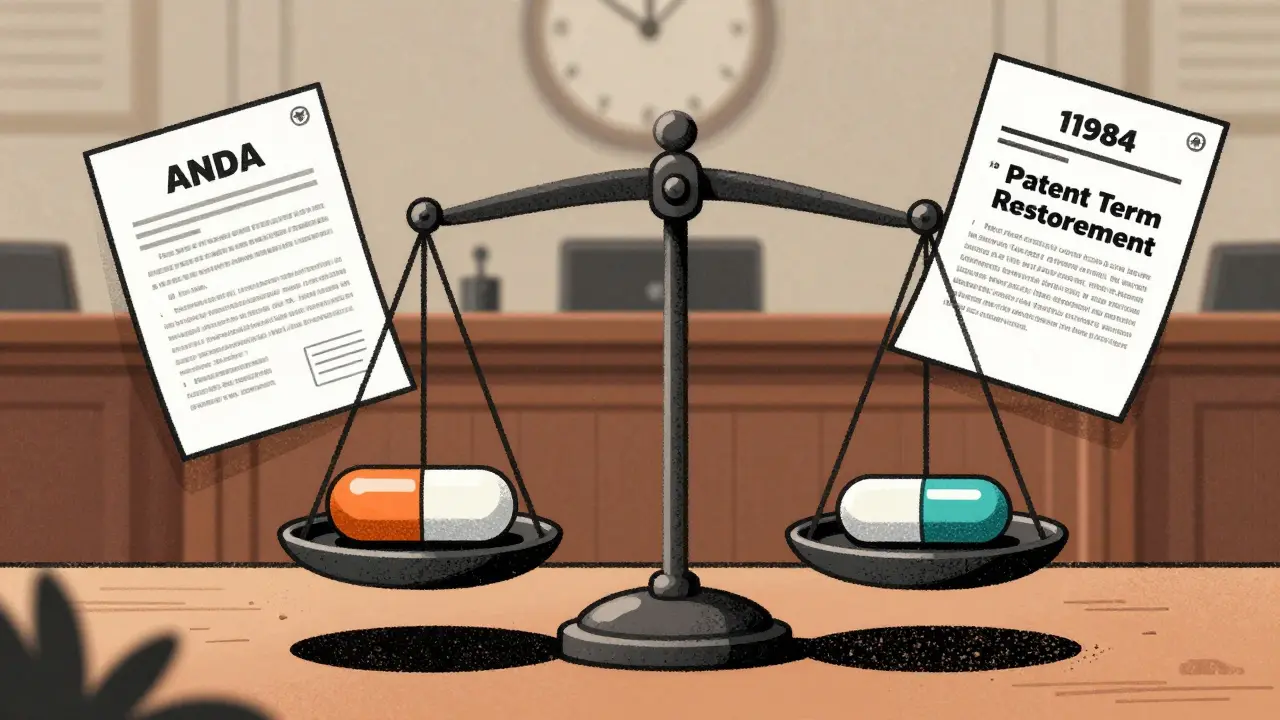
The Hatch-Waxman Act created the modern system for generic drug approval in the U.S., balancing innovation incentives with affordable access. It cut drug costs by billions but has been exploited through patent manipulation.
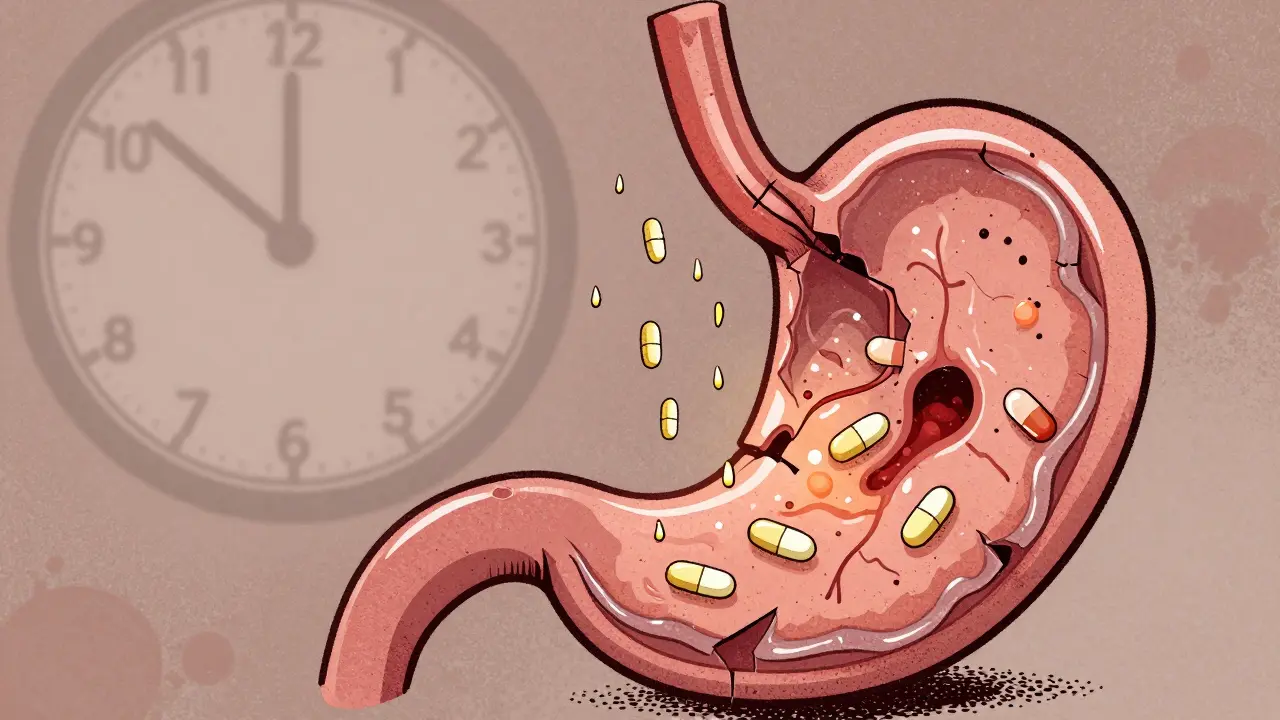
NSAIDs like ibuprofen and naproxen carry serious risks for your stomach and kidneys, often without warning symptoms. Learn who’s most at risk, how to monitor for damage, and safer alternatives for managing pain.
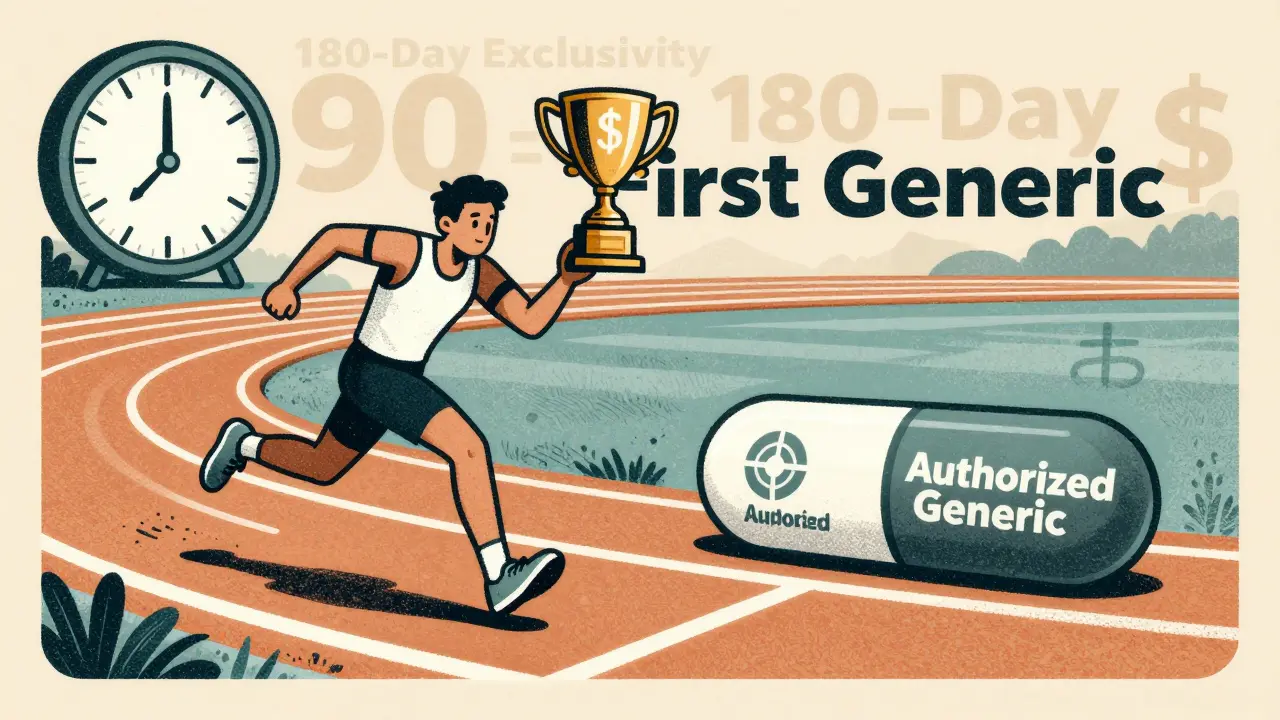
First generics and authorized generics may look the same, but their market entry timing changes drug prices and competition. Learn how brand companies use authorized generics to undercut first entrants - and what it means for your prescription costs.
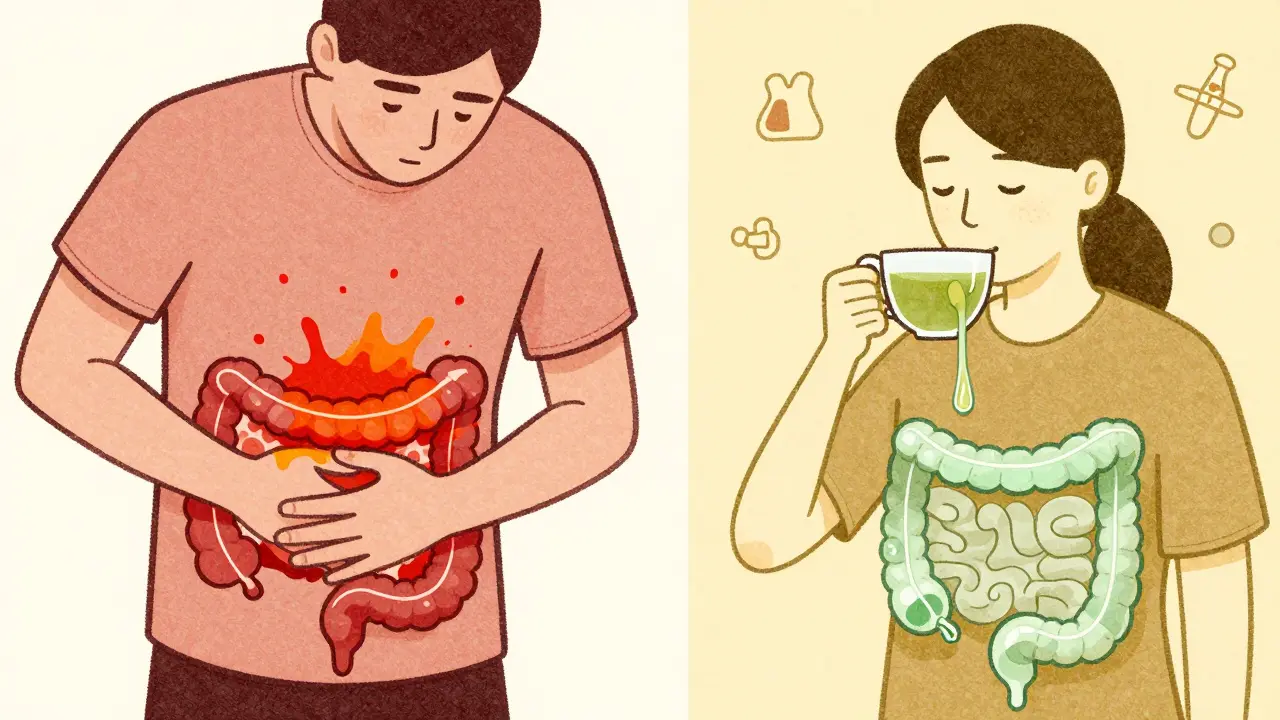
Metformin extended-release (XR) reduces stomach side effects compared to immediate-release (IR) for many people with type 2 diabetes. Learn how the two versions differ, what the data shows, and how to switch safely.
Fixed-dose combination drugs combine two or more medications in one pill to improve adherence, reduce pill burden, and enhance treatment effectiveness. They're widely used for chronic conditions like hypertension and TB, but not all combinations are medically justified.
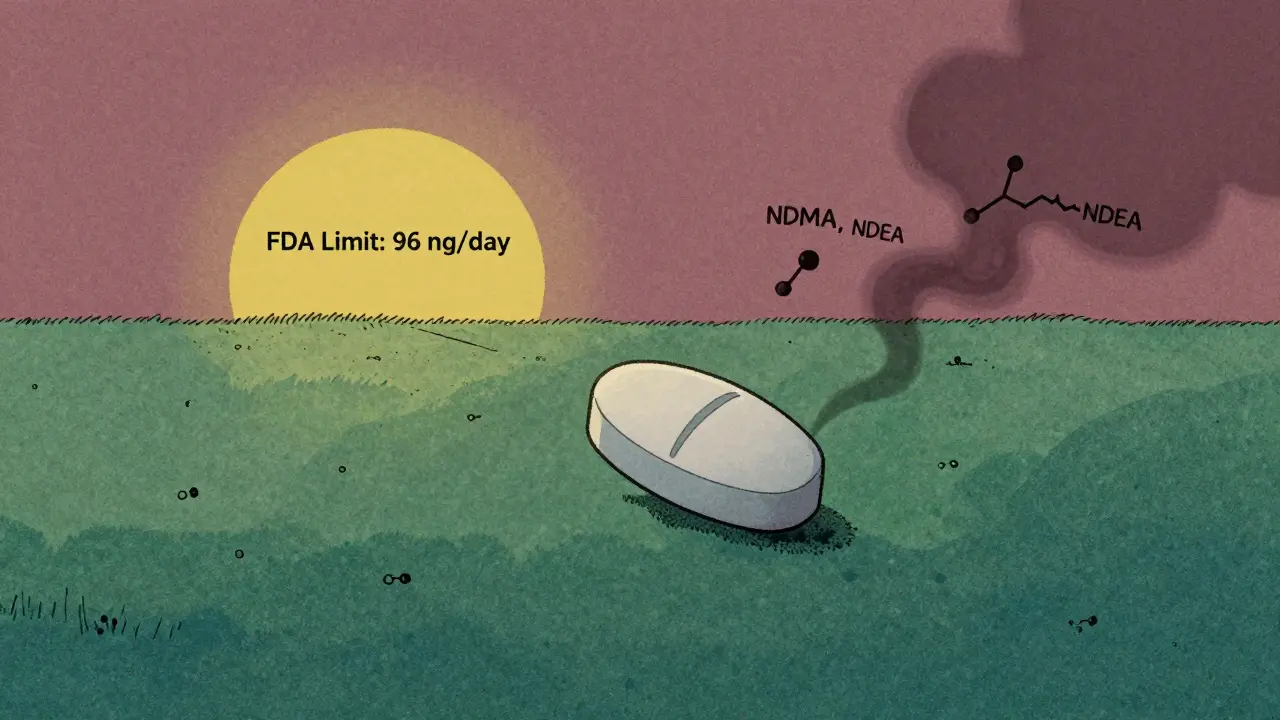
Nitrosamine contamination in generic drugs has led to over 500 FDA recalls since 2018. Learn how these carcinogenic impurities form, which drugs are affected, and what regulators and manufacturers are doing to fix it.
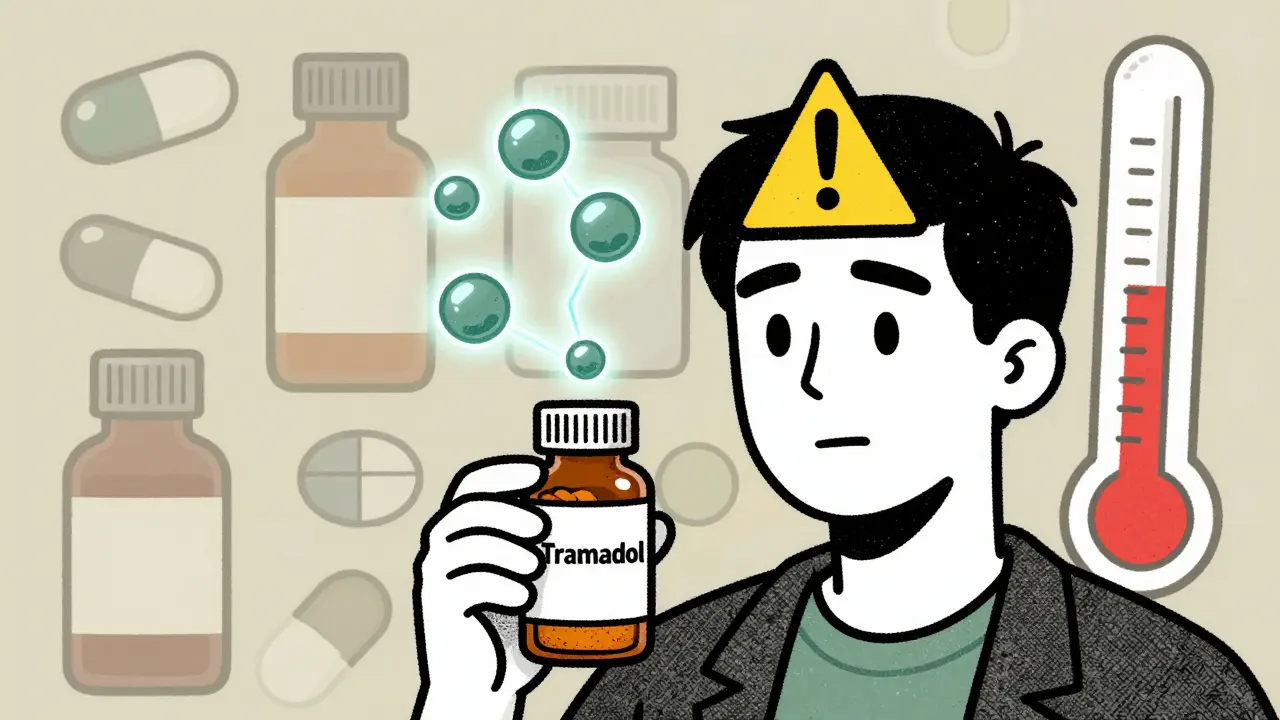
Opioids like tramadol and meperidine can cause serotonin syndrome when mixed with antidepressants or OTC cough medicines. Learn which painkillers are safe, the real risks, and what to do if you're taking multiple medications.
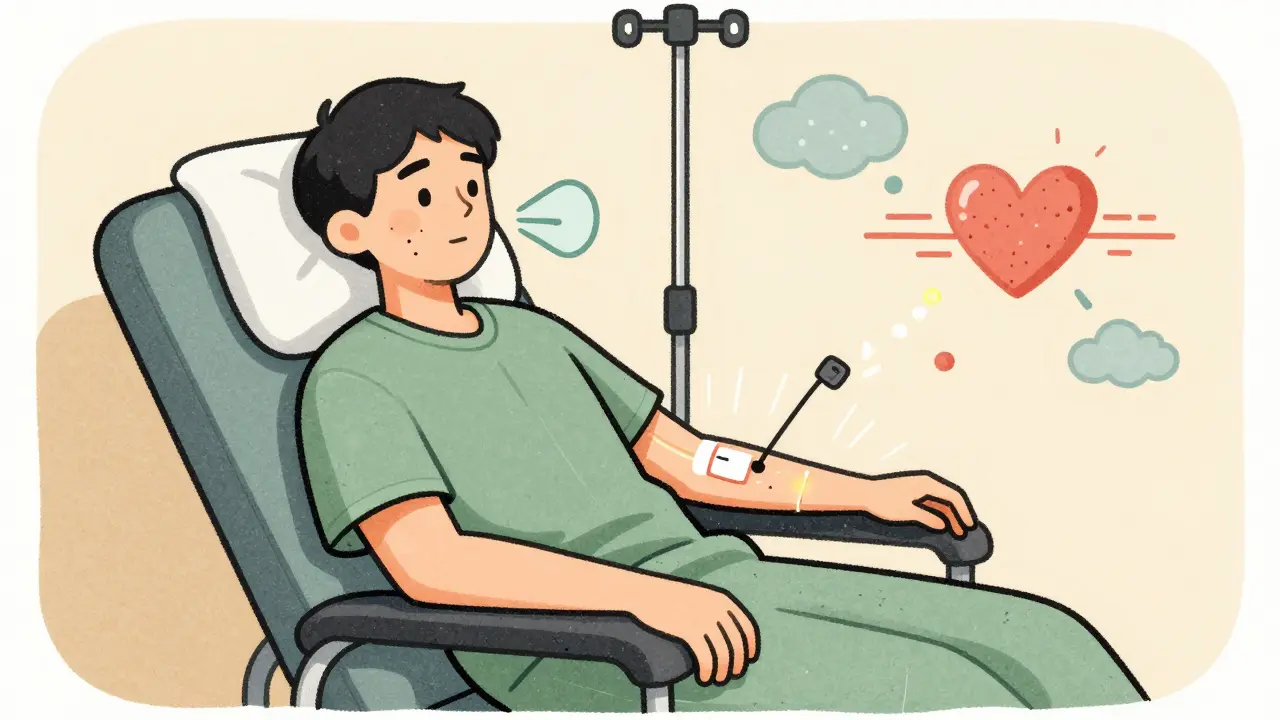
Learn the signs of chemotherapy hypersensitivity reactions, from mild itching to life-threatening anaphylaxis. Understand what triggers them, how to respond, and how hospitals prevent these dangerous reactions.
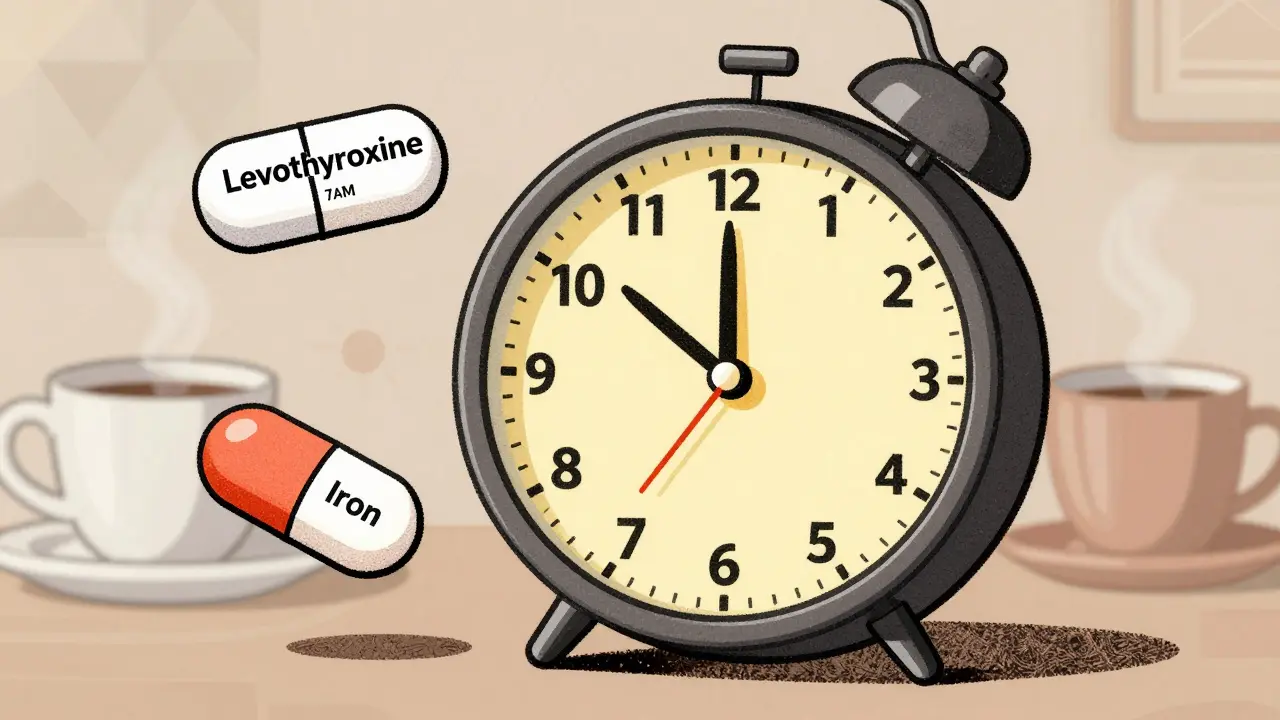
Iron supplements can block levothyroxine absorption, reducing its effectiveness. Learn the 4-hour separation rule, best timing strategies, and how to avoid common mistakes that affect thyroid treatment.