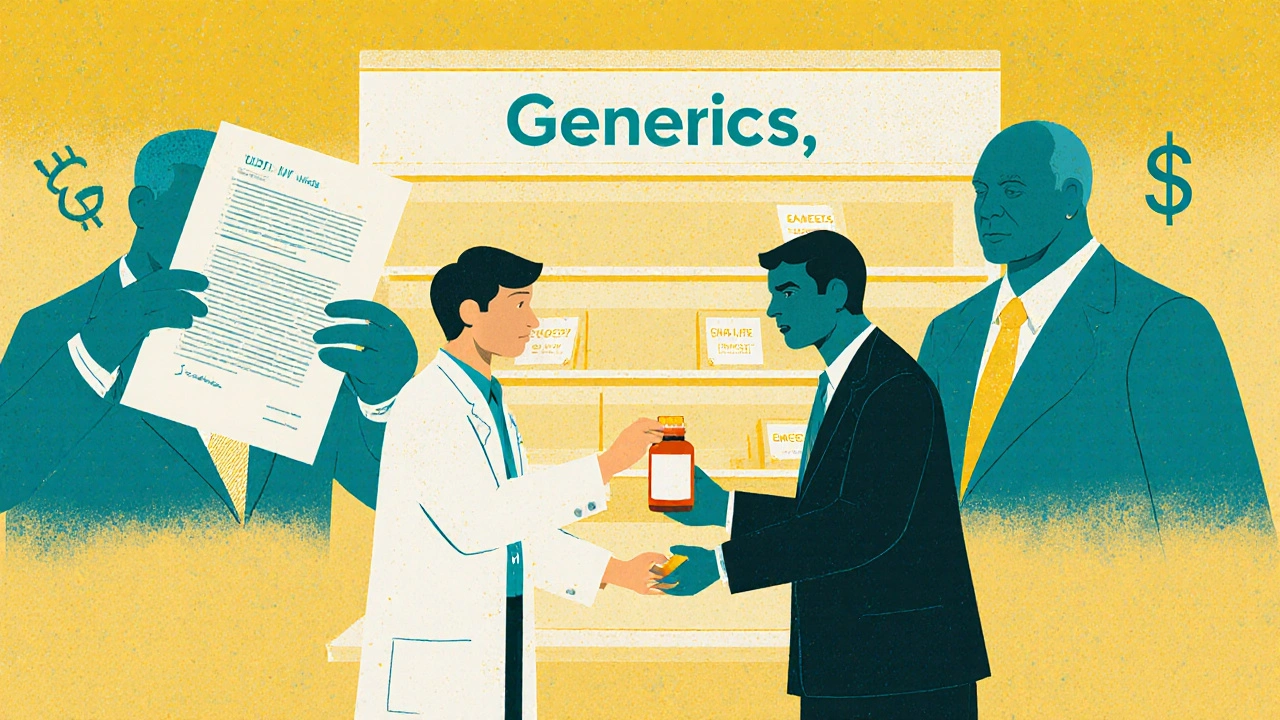
Generic Drugs: What They Are, How They Save Money, and What You Need to Know
When you hear generic drugs, medications that contain the same active ingredient as brand-name pills but are sold under their chemical name. Also known as generic medications, they are legally required to work the same way, in the same amount, and with the same safety profile as the original. Most people think generics are cheaper because they’re weaker—but that’s not true. The FDA demands they match brand-name drugs in strength, purity, and how fast they work in your body. If your doctor prescribes lisinopril and you pick up the generic version, it’s the exact same molecule as Prinivil or Zestril. The only differences? The shape, color, and price.
Why does this matter? Because brand name drugs, medications sold under a company’s trademark after patent protection can cost ten times more. A month of Lipitor might run $200. The generic atorvastatin? Often under $10. That’s not a marketing trick—it’s the result of patent expiration and competition. When a drug’s patent runs out, other manufacturers can produce it. They don’t need to spend millions on clinical trials because the original company already proved it’s safe and effective. All they need to prove is bioequivalence: that their version performs the same in your body.
But not all generics are created equal. Some people report feeling different on a generic version. That’s usually because of inactive ingredients—fillers, dyes, or coatings—that vary between brands. These don’t affect how the drug works, but they can change how fast it dissolves or how it sits in your stomach. If you notice a change in side effects or how well your medicine works after switching, talk to your pharmacist. They can help you stick with the same manufacturer or suggest alternatives.
Most of the posts here focus on real-world comparisons: FDA approval, the strict process that ensures generic drugs meet the same standards as brand-name versions isn’t a formality—it’s a science. Every batch of generic medication is tested. Every factory is inspected. And every product must prove it delivers the same results as the original. You’ll find guides on how to buy generic Effexor, Plavix, and Claritin safely online, how to compare generic versions of allergy meds, antibiotics, and even cancer drugs. These aren’t theoretical discussions—they’re practical, money-saving tips based on real prescriptions people use every day.
You don’t need to pay more to get the same result. Generic drugs are one of the most reliable ways to cut your medication costs without cutting corners on safety. Whether you’re managing high blood pressure, depression, allergies, or chronic pain, chances are there’s a generic version that works just as well—and costs a fraction. The key is knowing how to ask for it, where to buy it safely, and when to speak up if something feels off. Below, you’ll find detailed comparisons, safety tips, and real cost breakdowns for dozens of common drugs. No fluff. Just what you need to know to get the right medicine at the right price.
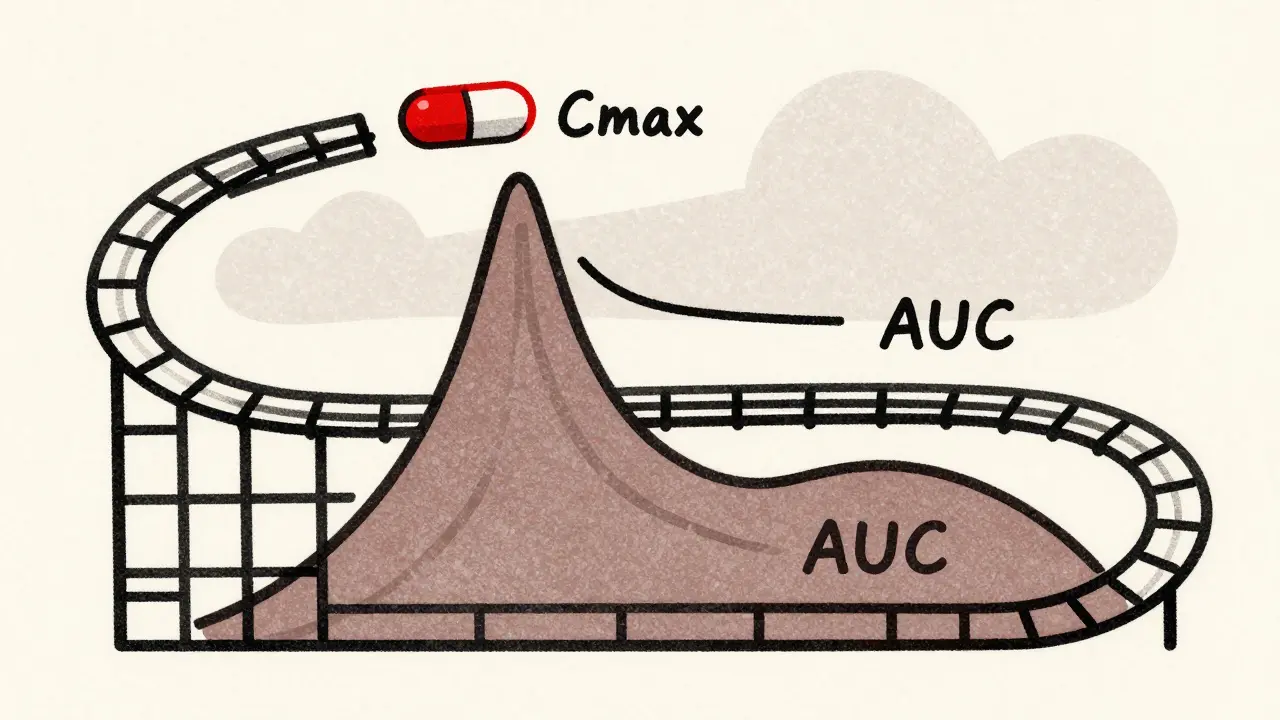
Cmax and AUC are the two key pharmacokinetic measures used to prove generic drugs work like brand-name versions. Learn what they mean, why both are required, and how regulators use them to ensure safety and effectiveness.
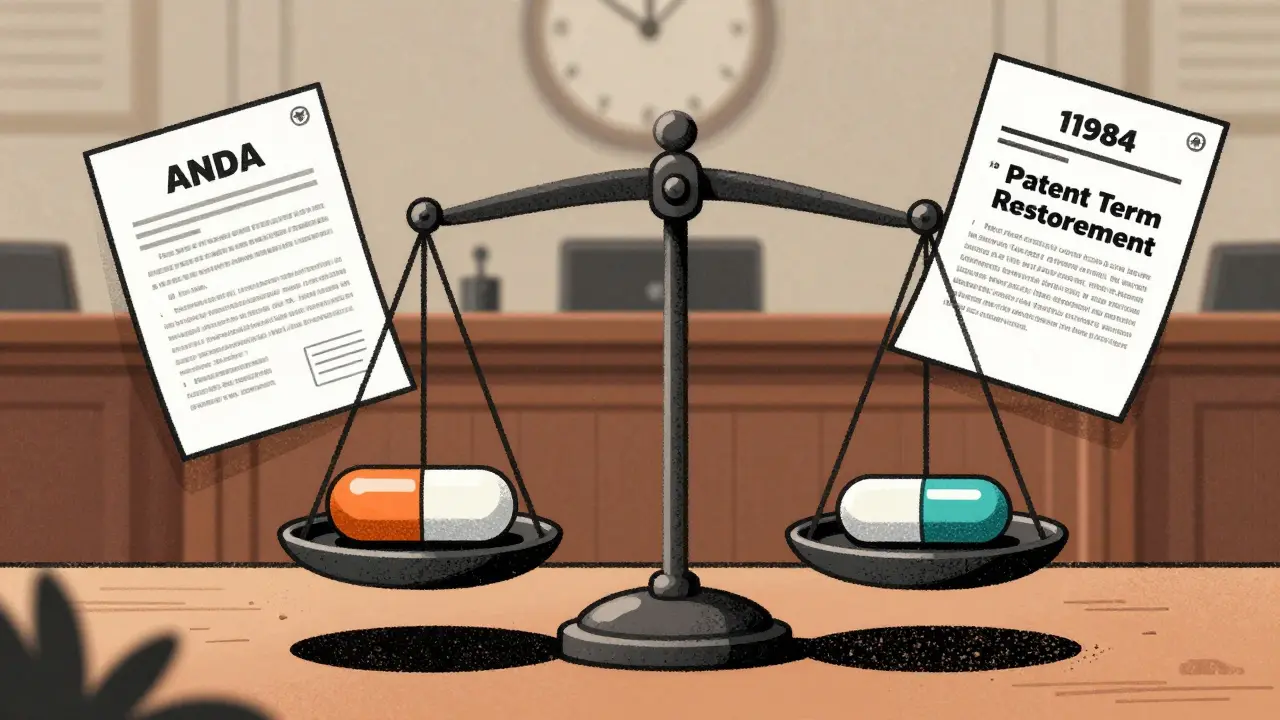
The Hatch-Waxman Act created the modern system for generic drug approval in the U.S., balancing innovation incentives with affordable access. It cut drug costs by billions but has been exploited through patent manipulation.
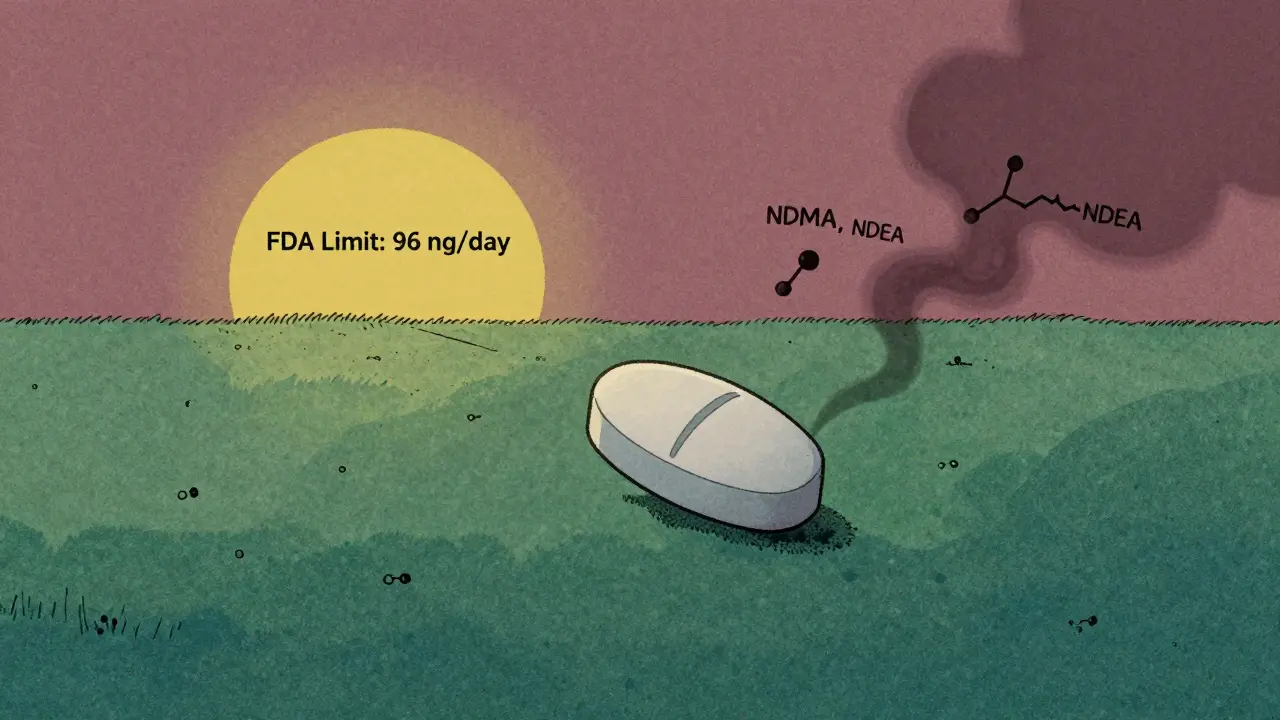
Nitrosamine contamination in generic drugs has led to over 500 FDA recalls since 2018. Learn how these carcinogenic impurities form, which drugs are affected, and what regulators and manufacturers are doing to fix it.
Hospital formularies use evidence-based criteria to select generic drugs that balance safety, effectiveness, and cost. Learn how Pharmacy and Therapeutics committees make these decisions and why they matter for patient care.
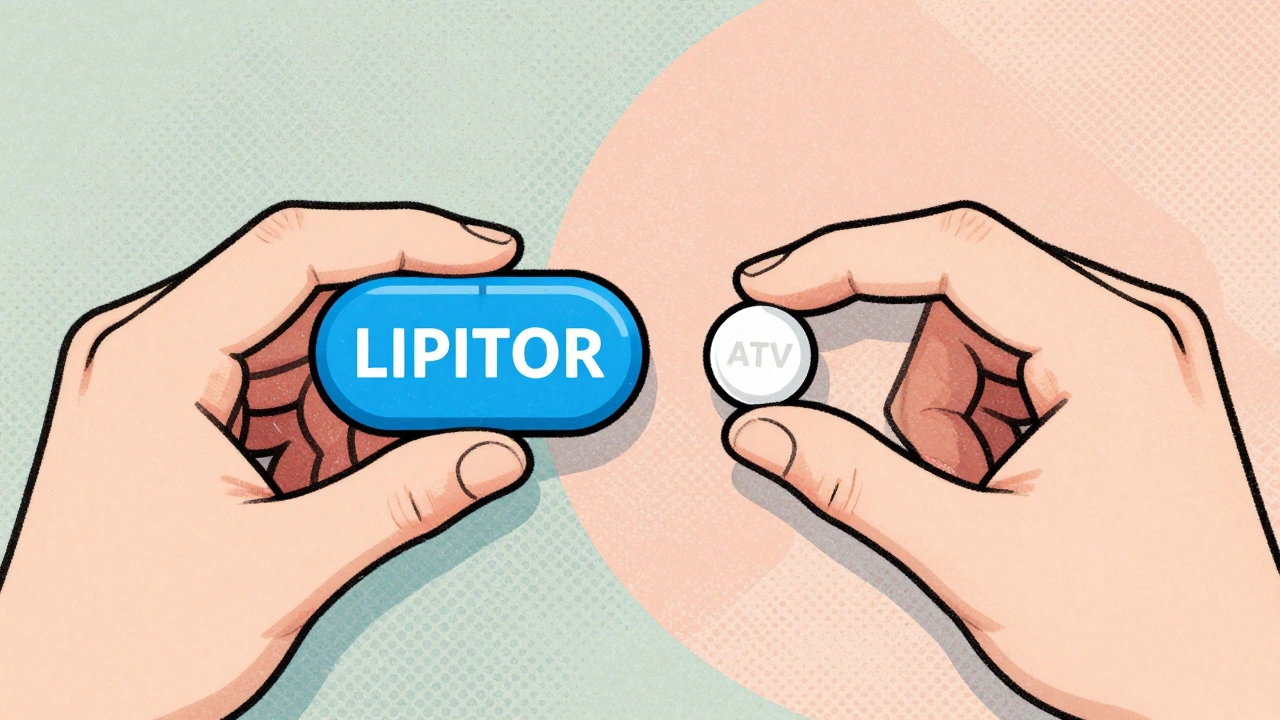
Generic drugs look different from brand-name pills not because they're less effective, but because U.S. trademark laws require them to have a unique appearance. Learn why this rule exists, how it affects you, and what to do when your pill changes shape or color.
Antitrust laws shape the generic drug market by preventing pay-for-delay deals, patent abuse, and other tactics that block competition. These rules save consumers billions and keep medications affordable.