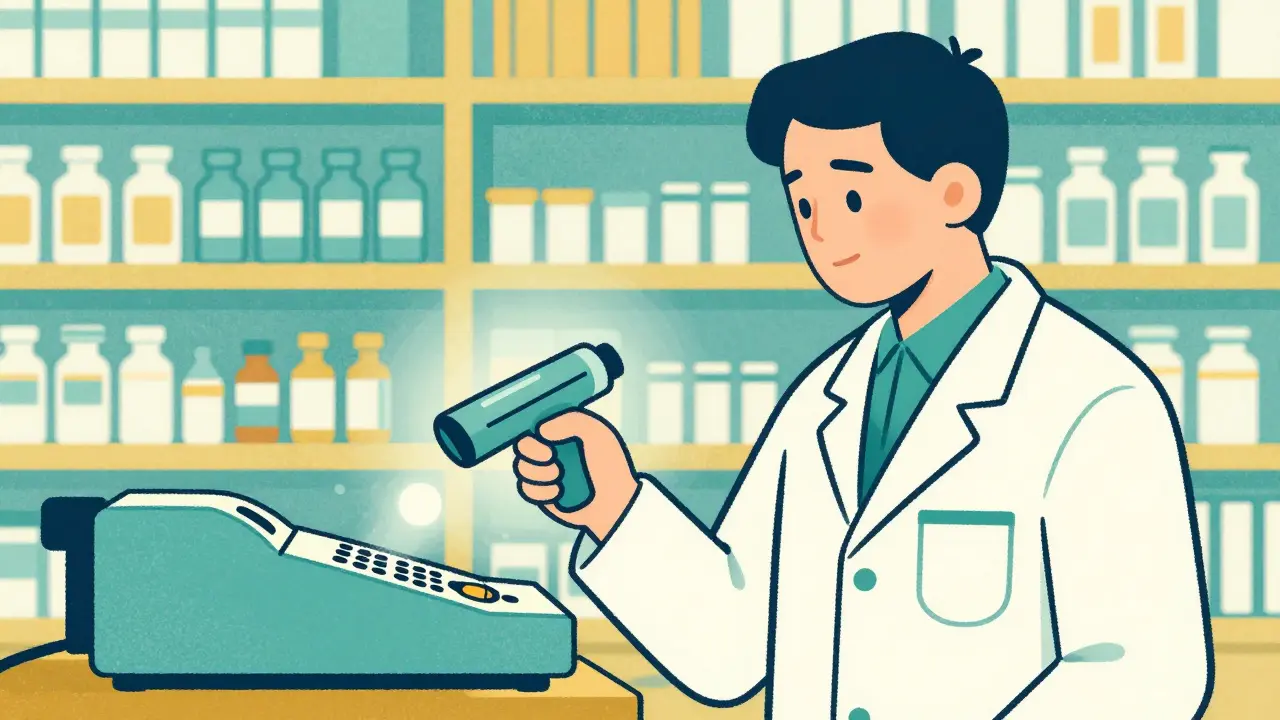
Pharmacist education for counterfeit drug detection is vital to patient safety. Explore current training programs, RxAll's tech, and global efforts to combat fake medications. Learn how pharmacists are the last line of defense.
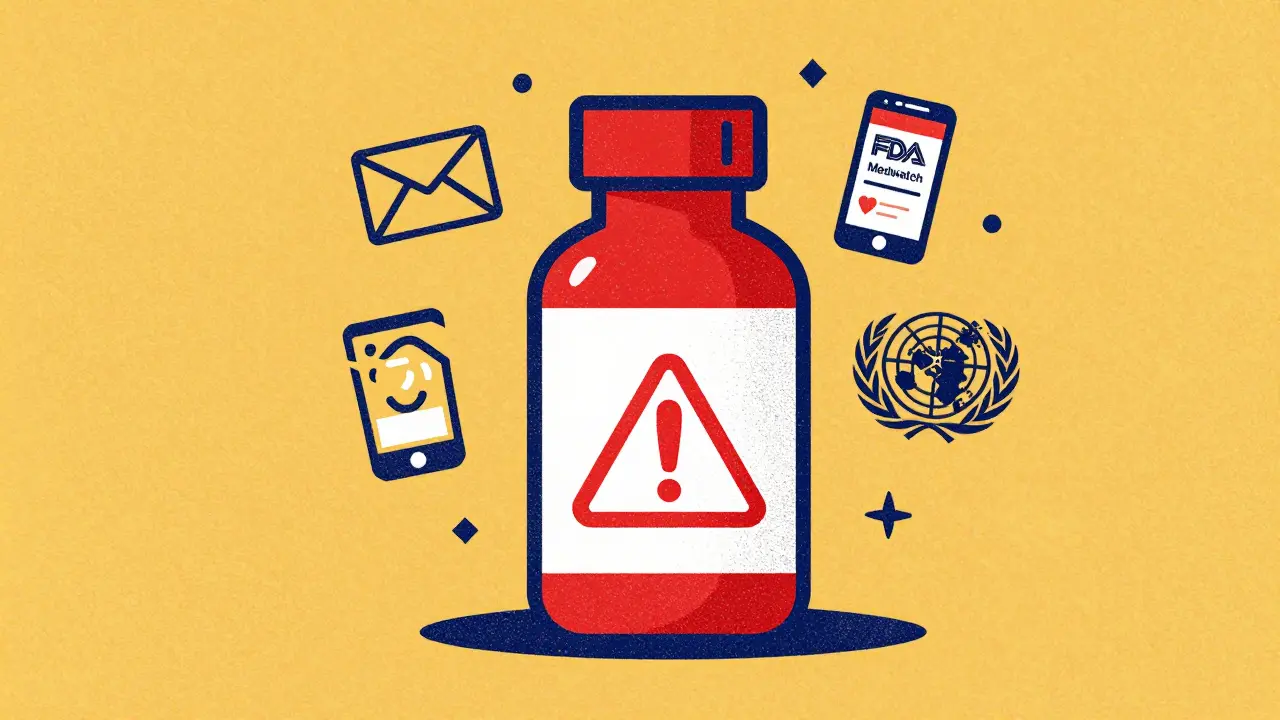
Learn how to track FDA, EMA, and WHO drug safety alerts in real-time. Get step-by-step guidance on signing up for alerts, verifying recalls, and reporting side effects. Stay informed to protect yourself from unsafe medications.
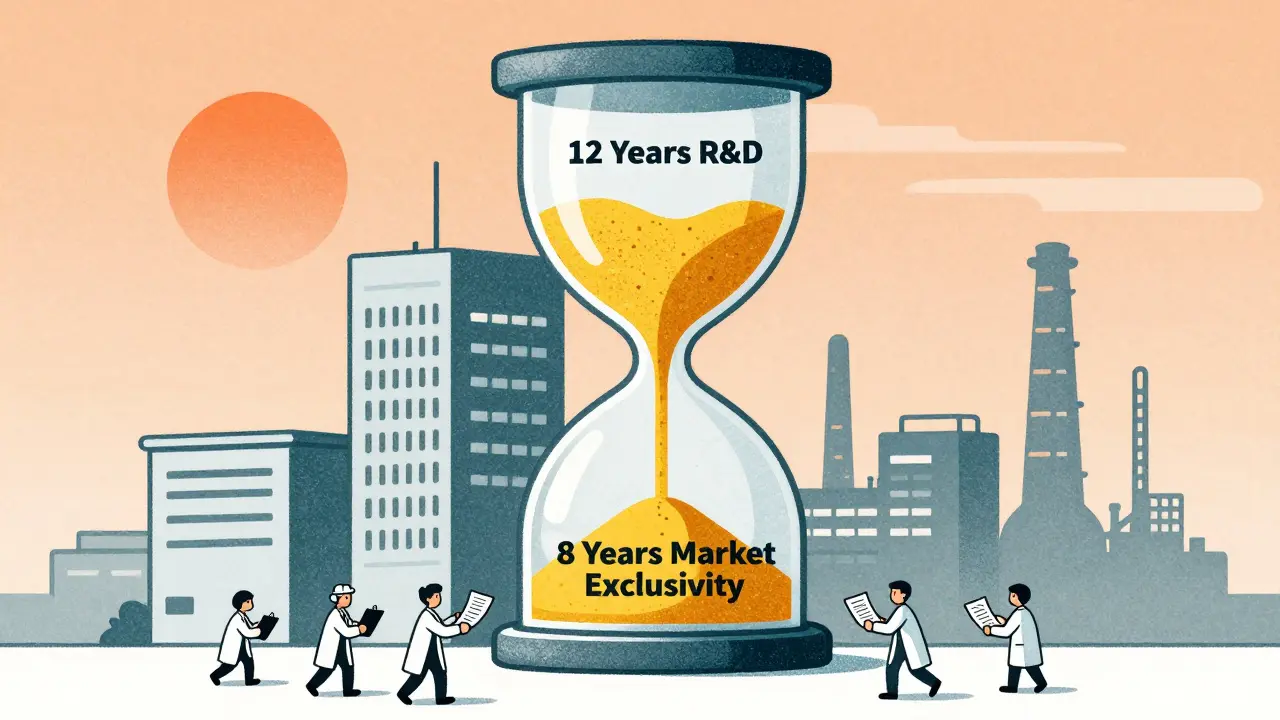
Patent law protects pharmaceutical innovation by giving companies exclusive rights to sell new drugs for a limited time. This system, shaped by the Hatch-Waxman Act, balances incentives for R&D with access to affordable generics that save billions annually.
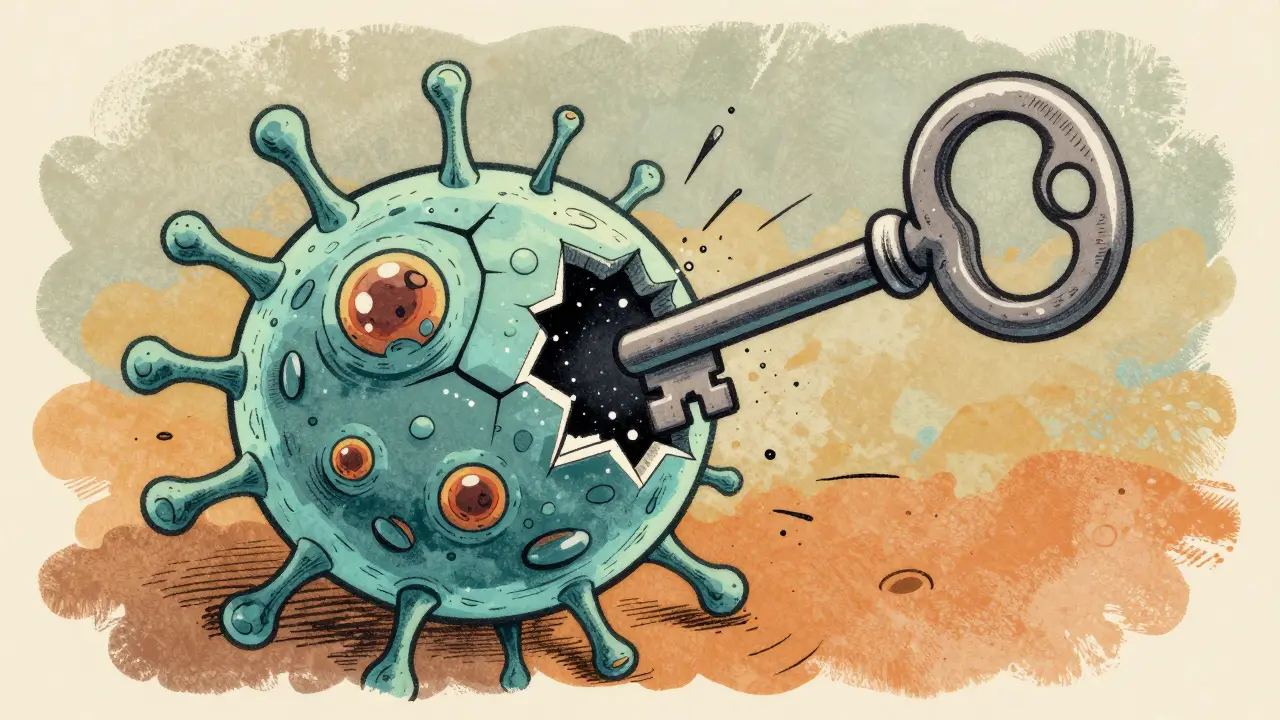
Antibiotics fight bacterial infections by targeting unique bacterial structures. Learn how the main classes-beta-lactams, tetracyclines, fluoroquinolones, and others-work, why resistance is rising, and how to use them responsibly.
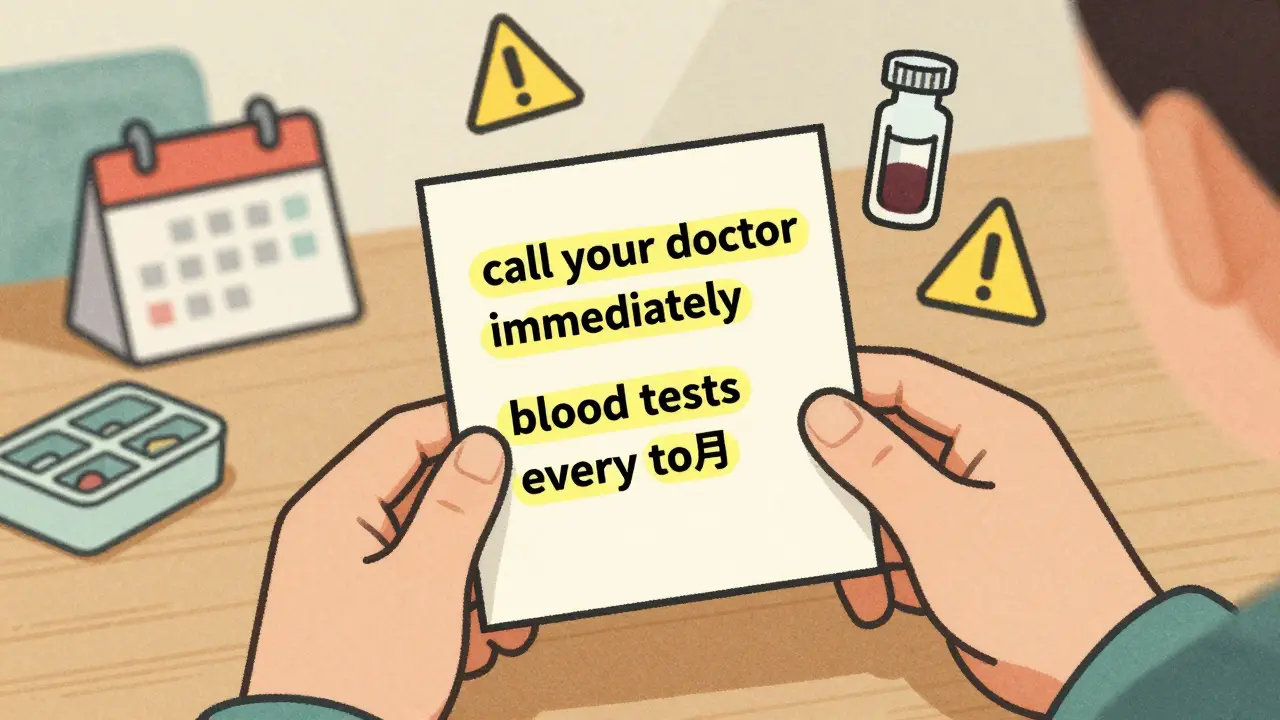
Learn how to read FDA-mandated medication guides to spot serious drug risks and monitoring requirements. Get clear steps to identify life-saving warnings, test schedules, and emergency symptoms in your prescription information.
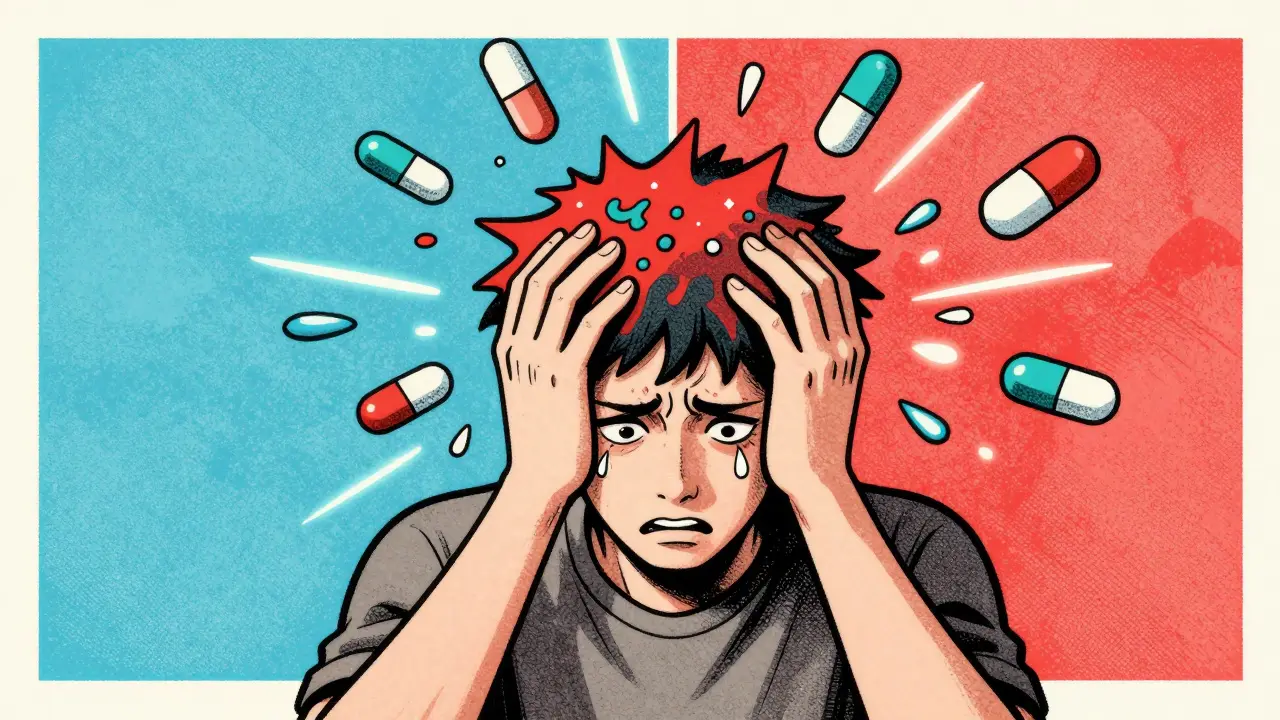
Serotonin syndrome is a life-threatening reaction to too much serotonin, often triggered by SSRIs combined with other drugs. Know the signs-clonus, fever, confusion-and act fast. Early treatment saves lives.
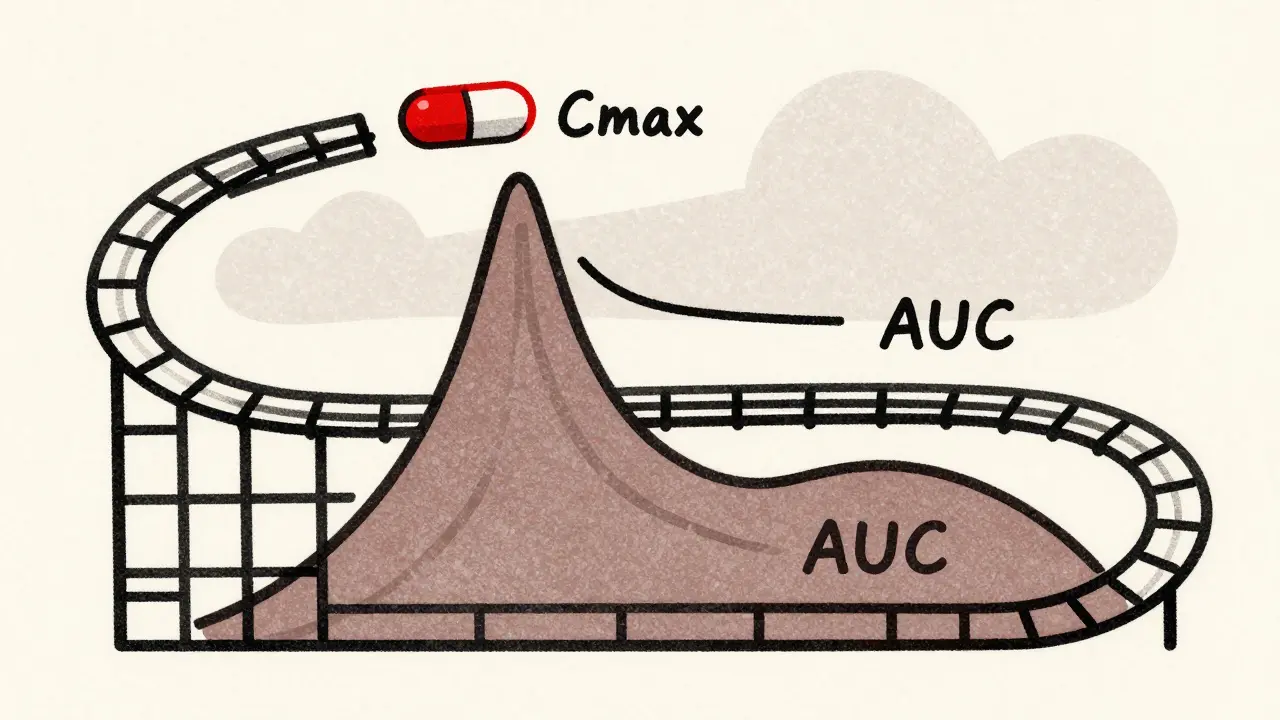
Cmax and AUC are the two key pharmacokinetic measures used to prove generic drugs work like brand-name versions. Learn what they mean, why both are required, and how regulators use them to ensure safety and effectiveness.
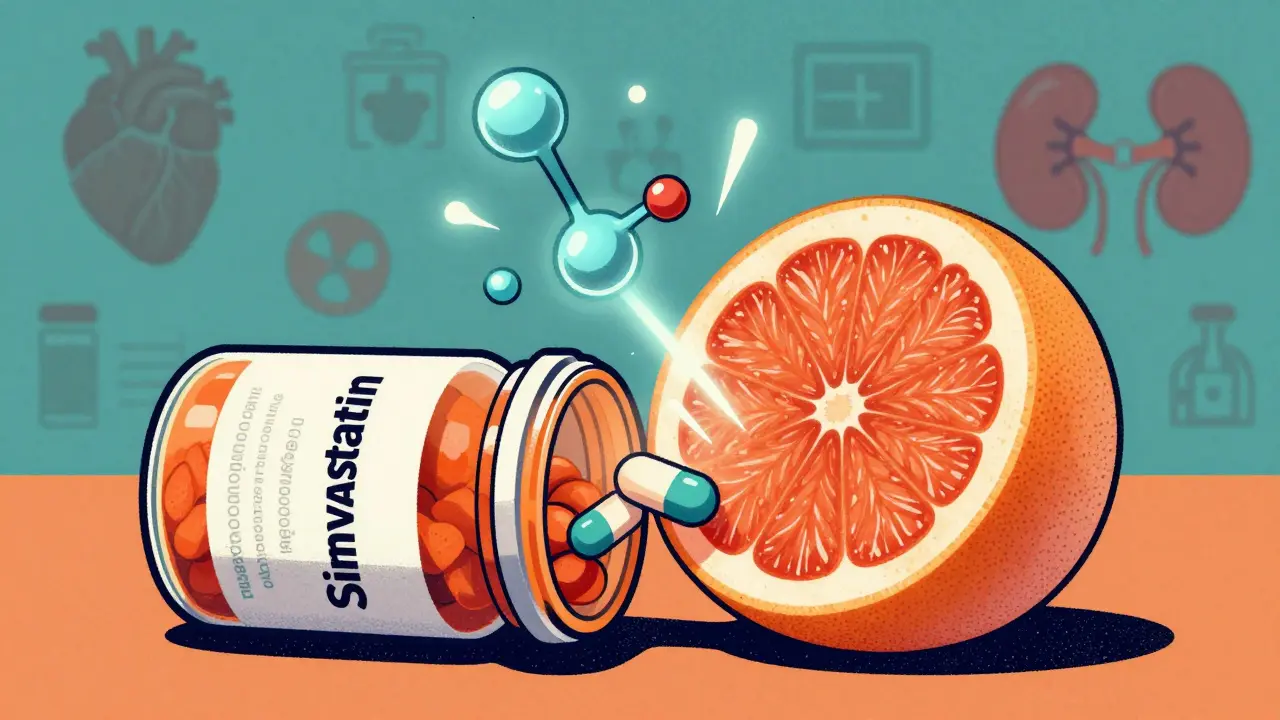
Grapefruit juice can dangerously increase simvastatin levels in your blood, raising the risk of muscle damage and kidney failure. Learn how much is unsafe, which statins are safer, and what to do if you're currently taking both.
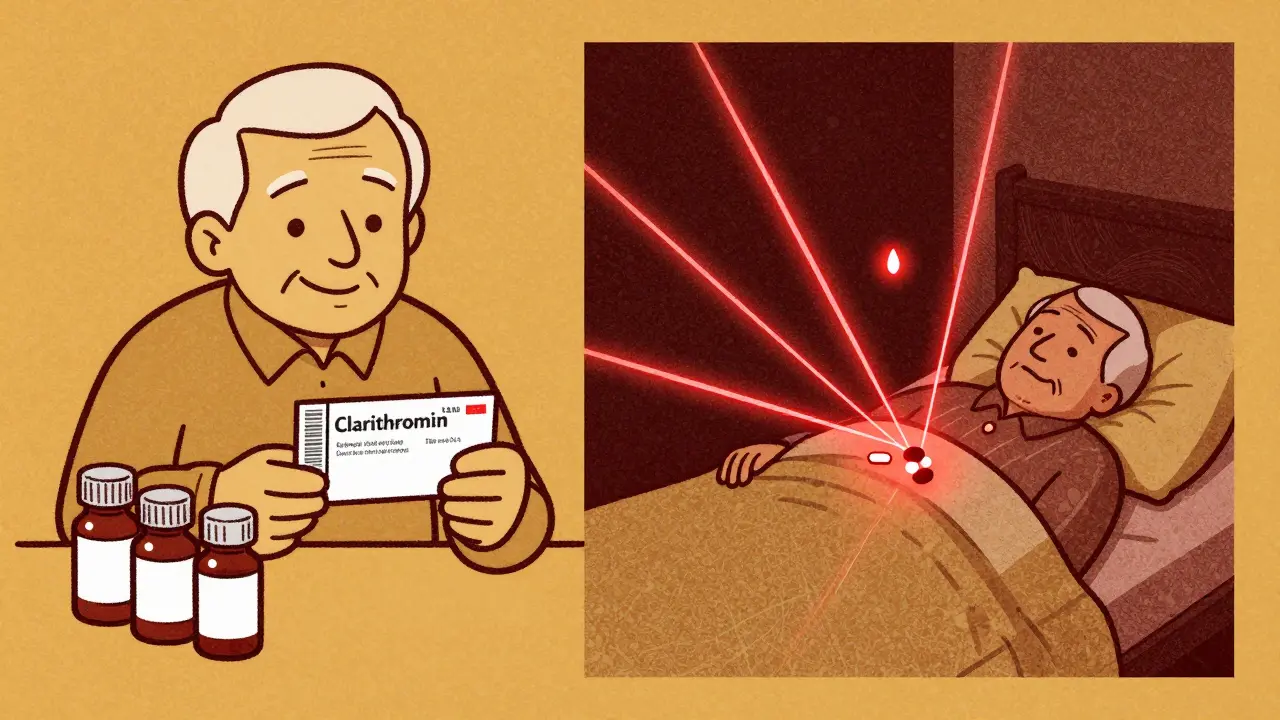
Clarithromycin can cause deadly drug interactions, especially with colchicine, statins, and heart medications. Learn which combinations to avoid and safer alternatives like azithromycin.
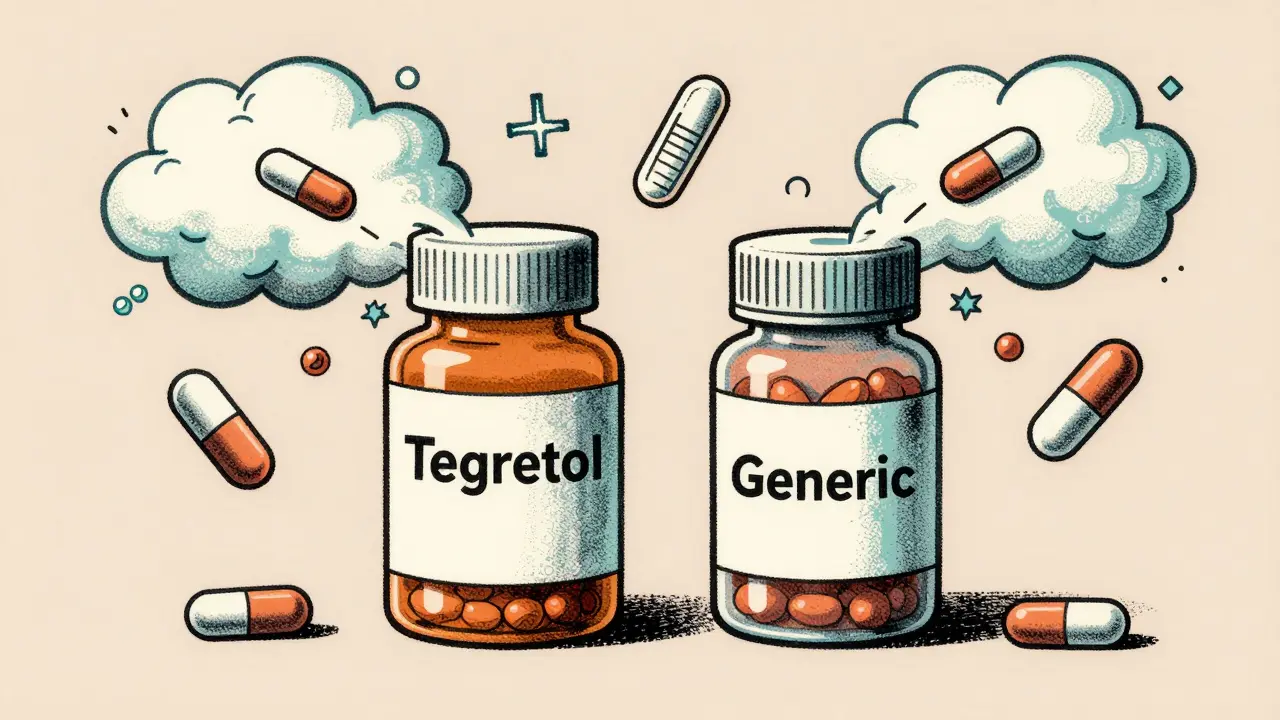
Carbamazepine generics may look identical, but their enzyme-inducing effects and narrow therapeutic window make switching risky. Learn why bioequivalence doesn't always mean safety, and how to protect yourself from dangerous drug interactions and breakthrough seizures.