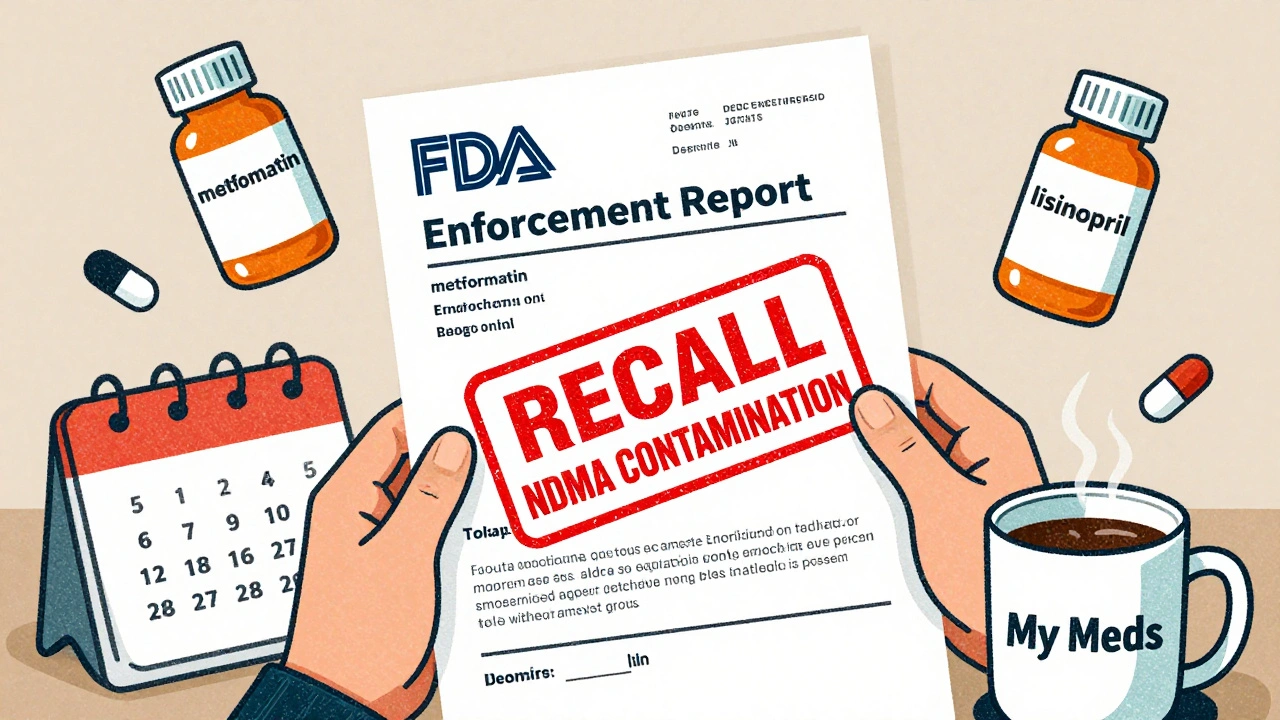
FDA Recall Notifications: What You Need to Know About Unsafe Medications
When the FDA recall notifications, official alerts issued by the U.S. Food and Drug Administration to warn the public about unsafe or mislabeled medications. Also known as drug safety alerts, these notices are your first line of defense against pills that could harm you or your family. These aren’t just bureaucratic notices—they’re urgent signals that something in your medicine cabinet might be dangerous. Every year, hundreds of medications are pulled because of contamination, incorrect dosing, or fake ingredients. And while most recalls are small-scale, a single bad batch can cause serious injury or death.
One of the biggest risks? counterfeit generics, fake versions of common drugs like Ozempic or blood pressure pills that look real but contain no active ingredient—or worse, toxic substances. These show up in online pharmacies, discount stores, or even through shady mail-order services. The FDA recall notifications, official alerts issued by the U.S. Food and Drug Administration to warn the public about unsafe or mislabeled medications. Also known as drug safety alerts, these notices are your first line of defense against pills that could harm you or your family. often list batch numbers, lot codes, and manufacturer details so you can check your bottles. But you need to know what to look for: pills that suddenly look different, packaging that feels off, or labels with typos. If your medication looks weird, don’t guess—check the FDA’s website or call your pharmacist.
Recalls aren’t just about fakes. Sometimes, the real drug has a problem. A batch of anticoagulants, blood thinners like warfarin or apixaban used to prevent strokes. might have inconsistent dosing. A generic version of heartburn medication, like omeprazole or famotidine taken daily by millions. could be contaminated with a cancer-causing chemical. Even medication storage, how you keep pills at home to protect kids and pets. matters—if your drugs are exposed to heat or moisture, they can break down and become unsafe. The FDA doesn’t just recall bad products; they also update guidelines to prevent future problems.
What you get in this collection isn’t just a list of past recalls. You’ll find real stories about people who spotted a fake pill, how to read a pharmacy label to catch a problem before it’s too late, and why some drugs change color or shape—not because they’re different, but because of trademark rules. You’ll learn how to check expiration dates, understand auxiliary labels, and what to do when your doctor says your medicine is no longer available. These aren’t abstract warnings. They’re tools to help you stay safe every time you open a pill bottle.
Learn how to subscribe to FDA drug safety alerts for recalls, side effects, and medication updates. Free, fast, and essential for patients and providers. Get email alerts for your medications before it's too late.