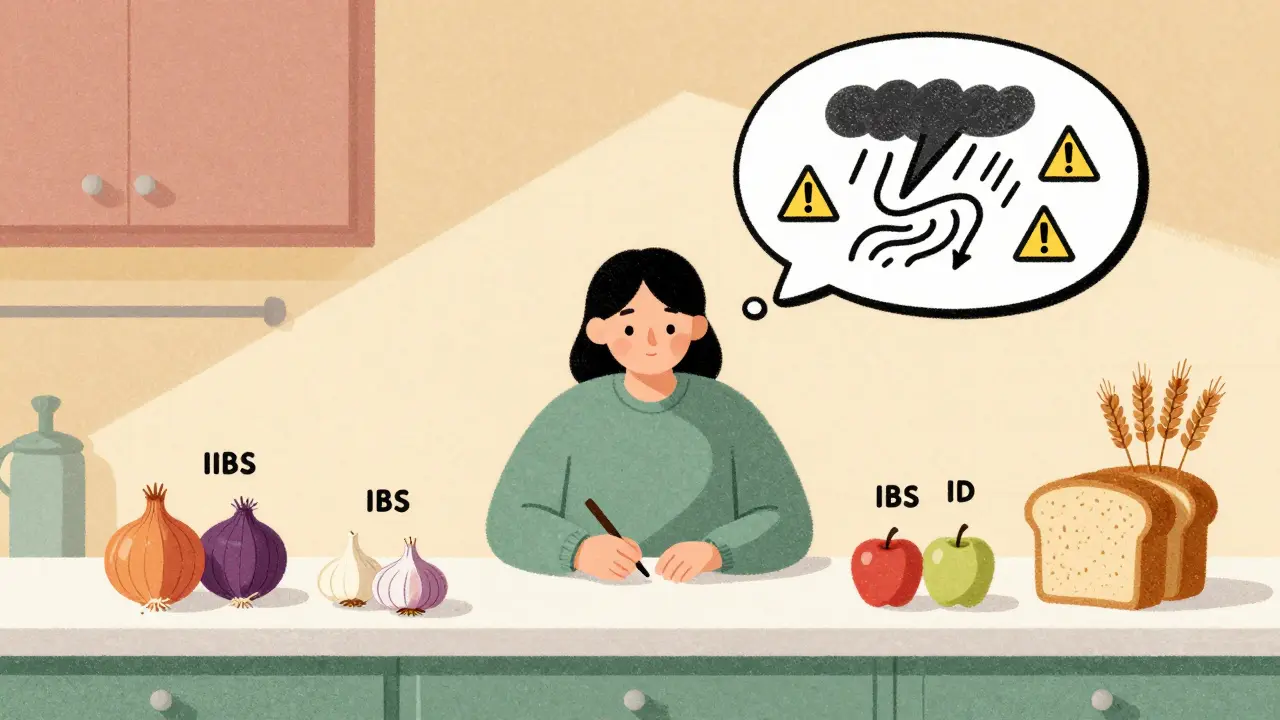
IBS causes chronic abdominal pain, bloating, and altered bowel habits. Learn the real symptoms, common triggers like food and stress, and proven medication options for IBS-D, IBS-C, and mixed types. Manage it with diet, therapy, and targeted treatments.
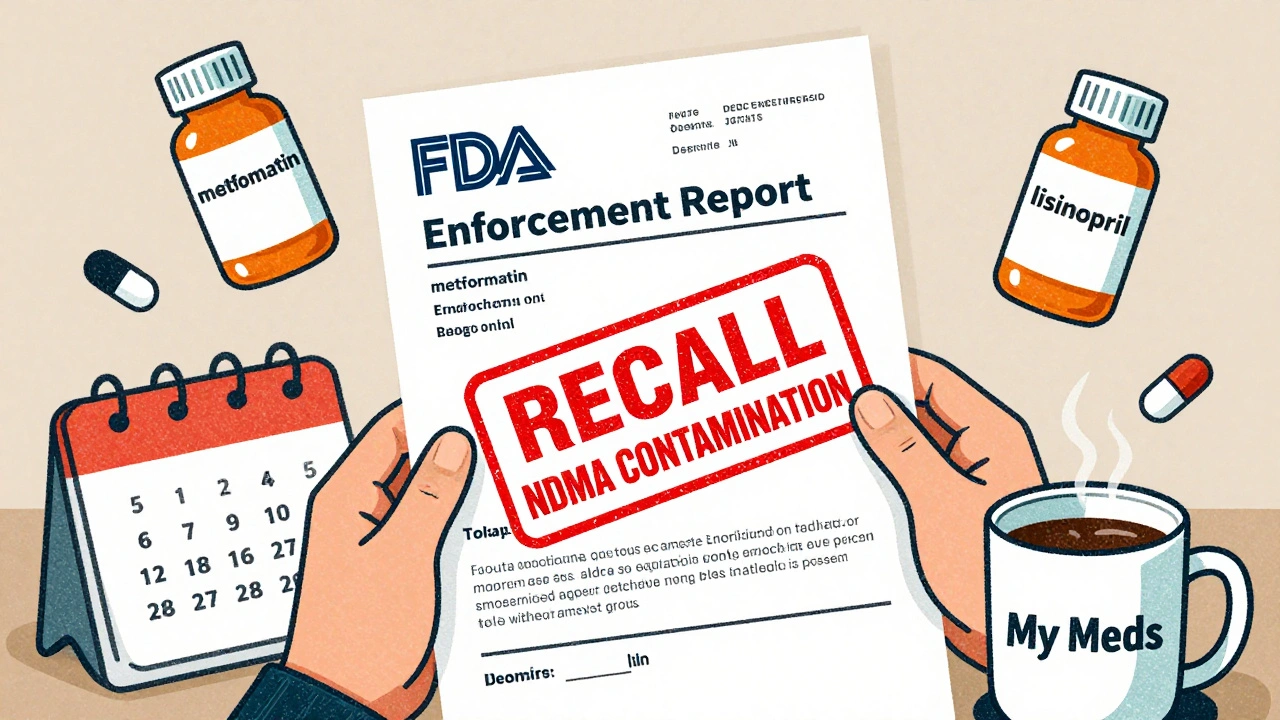
Learn how to subscribe to FDA drug safety alerts for recalls, side effects, and medication updates. Free, fast, and essential for patients and providers. Get email alerts for your medications before it's too late.
Counterfeit generics are fake versions of affordable medications that can be deadly. Learn how to spot them, where to buy safely, and what to do if you’ve been sold a fake pill.
Lyme disease is the most common tick-borne illness in the U.S., affecting nearly 500,000 people yearly. Early detection and antibiotic treatment can prevent serious complications - but delays lead to long-term health issues. Know the signs, act fast.
Radiation therapy kills cancer cells by damaging their DNA, especially through double-strand breaks. Modern techniques make it precise, and new research shows it can also activate the immune system to fight cancer long-term.
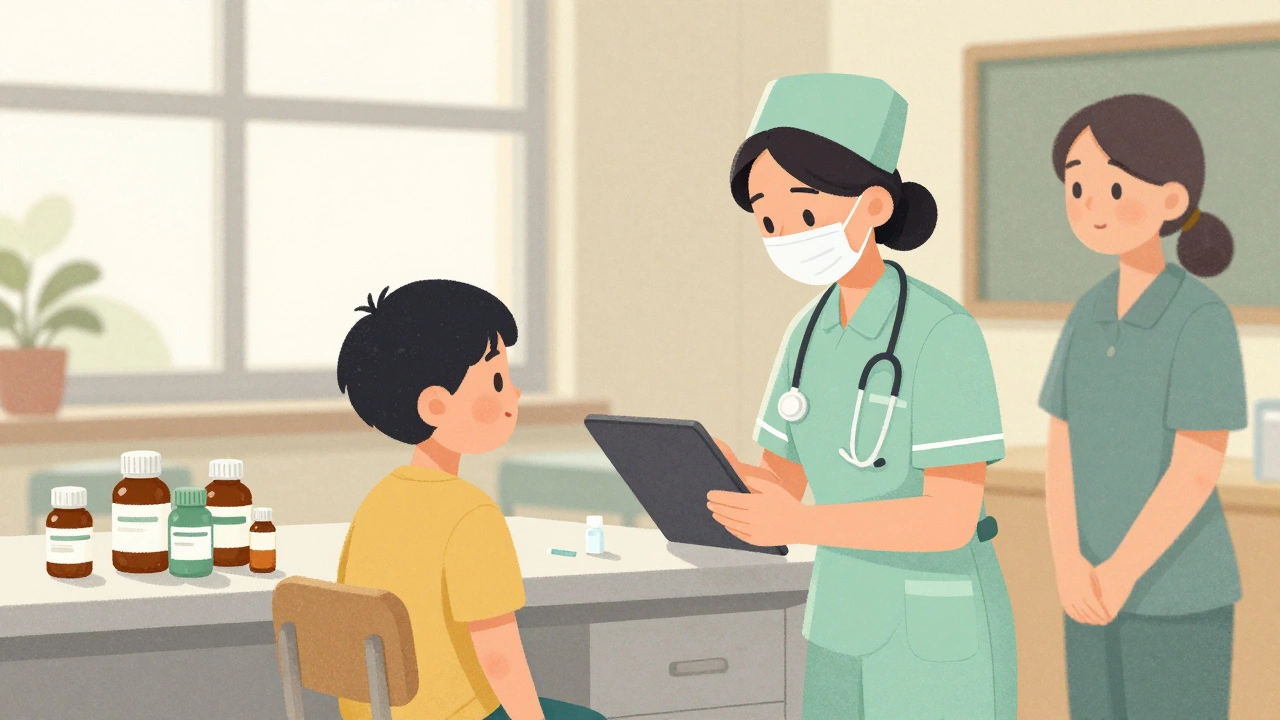
Learn how school nurses safely coordinate daily pediatric medications using the Five Rights, legal protocols, and proven systems to prevent errors and ensure student safety.
Meal planning for weight loss works because it removes guesswork. Learn how to use free templates and smart shopping lists to eat less, spend less, and lose weight without feeling deprived.
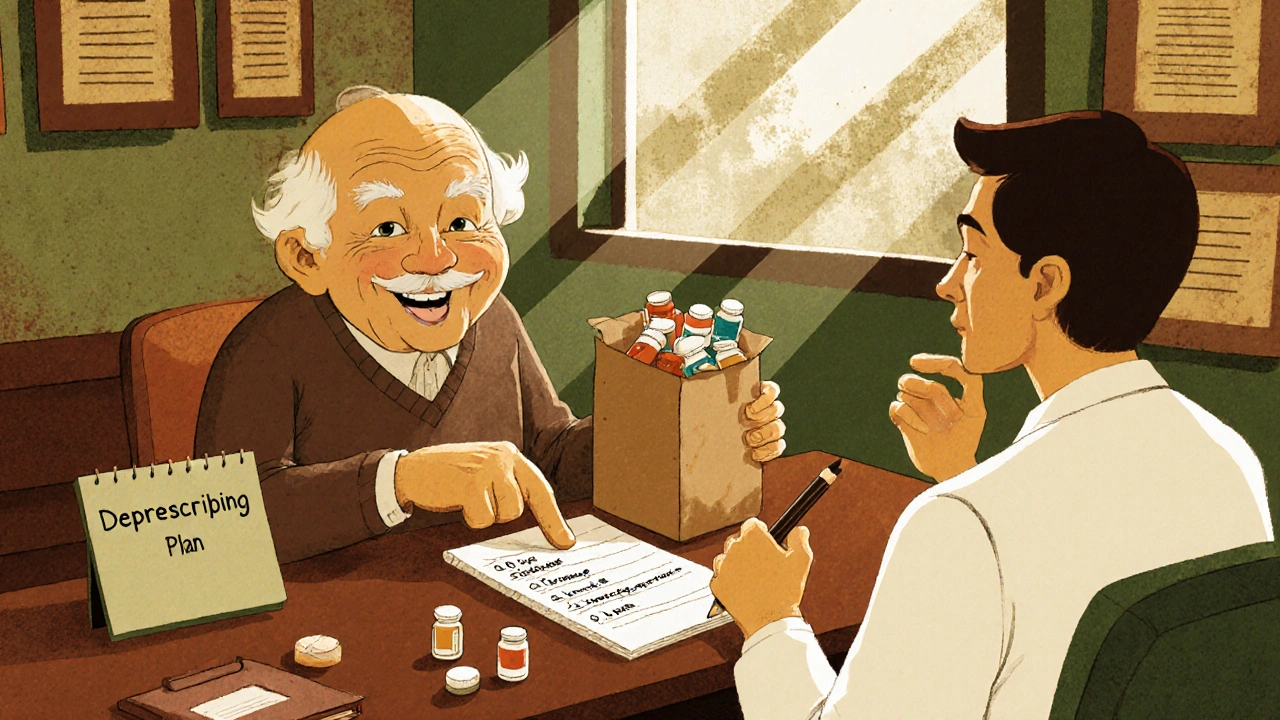
Learn how to work with your doctor to safely stop unnecessary medications, reduce side effects, and save hundreds or thousands of dollars a year on prescriptions through deprescribing.
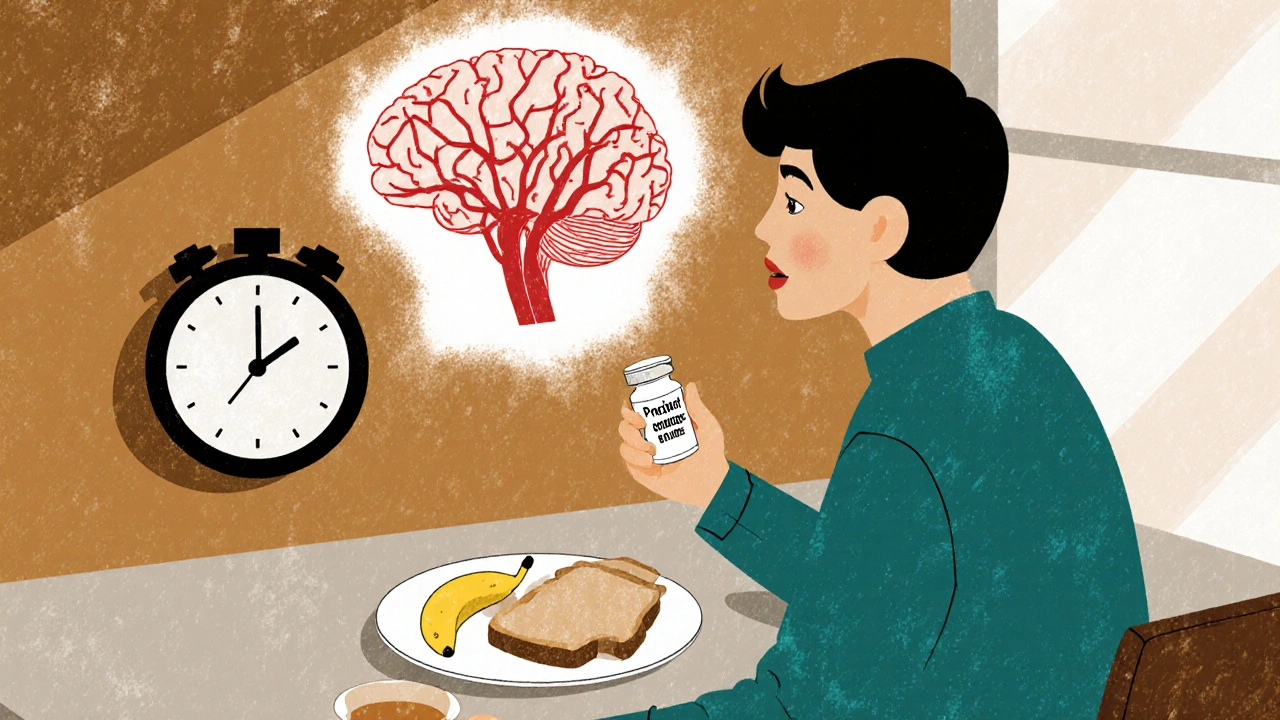
Opioid-induced nausea affects up to 40% of users, but it's manageable. Learn which antiemetics work best, how timing your doses cuts nausea, and simple diet changes that help you stay on track with pain relief.
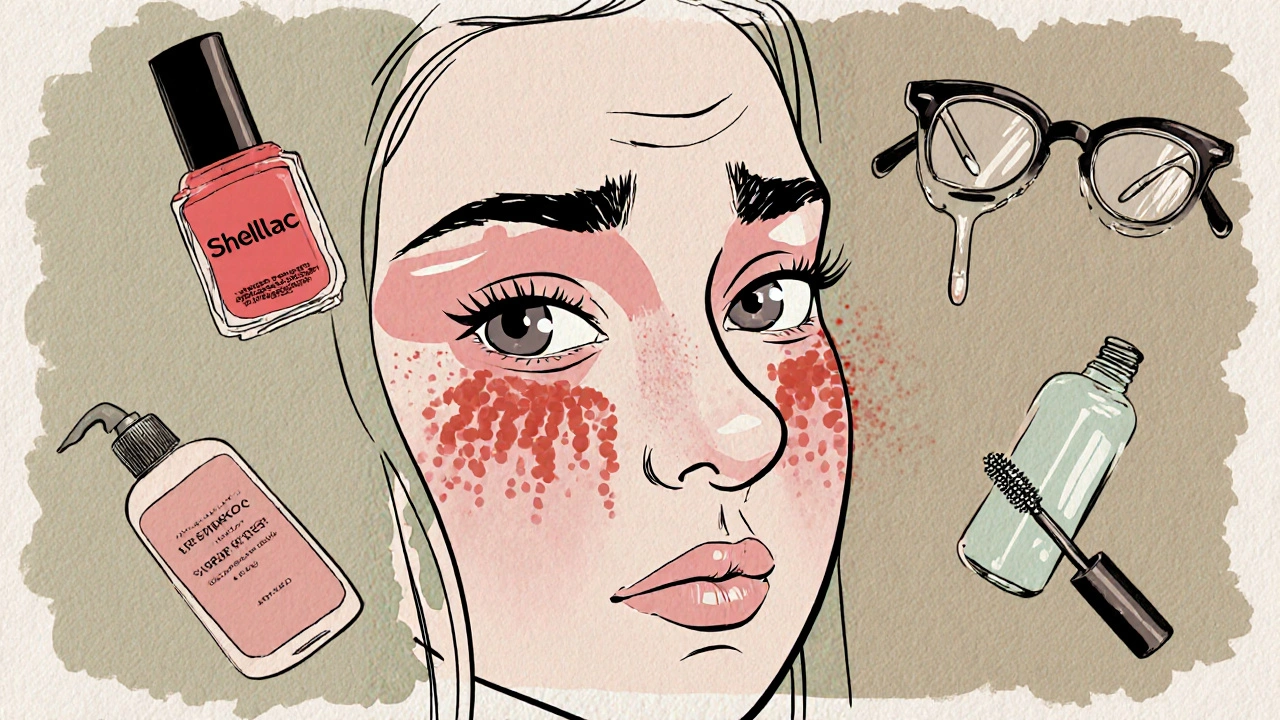
Eyelid dermatitis is often caused by hidden allergens in cosmetics, nail polish, and hair products. Learn the top triggers, why patch testing is essential, and how to safely treat and prevent recurring rashes.