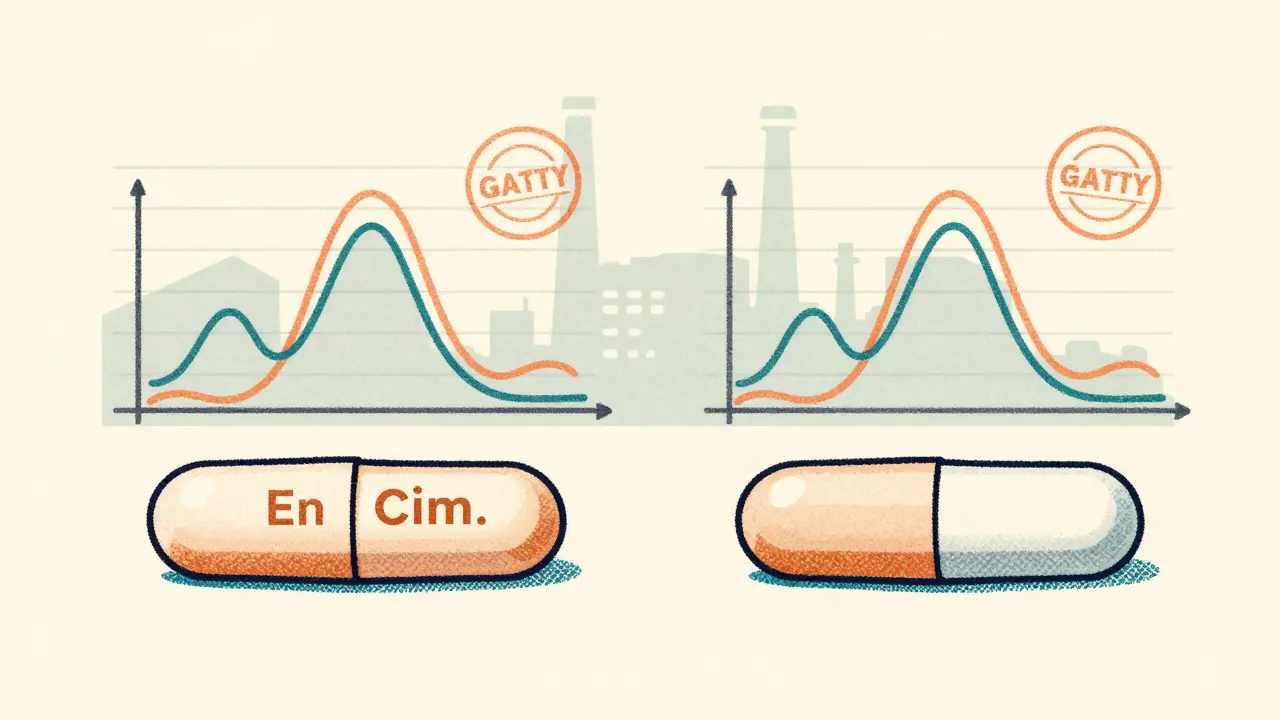
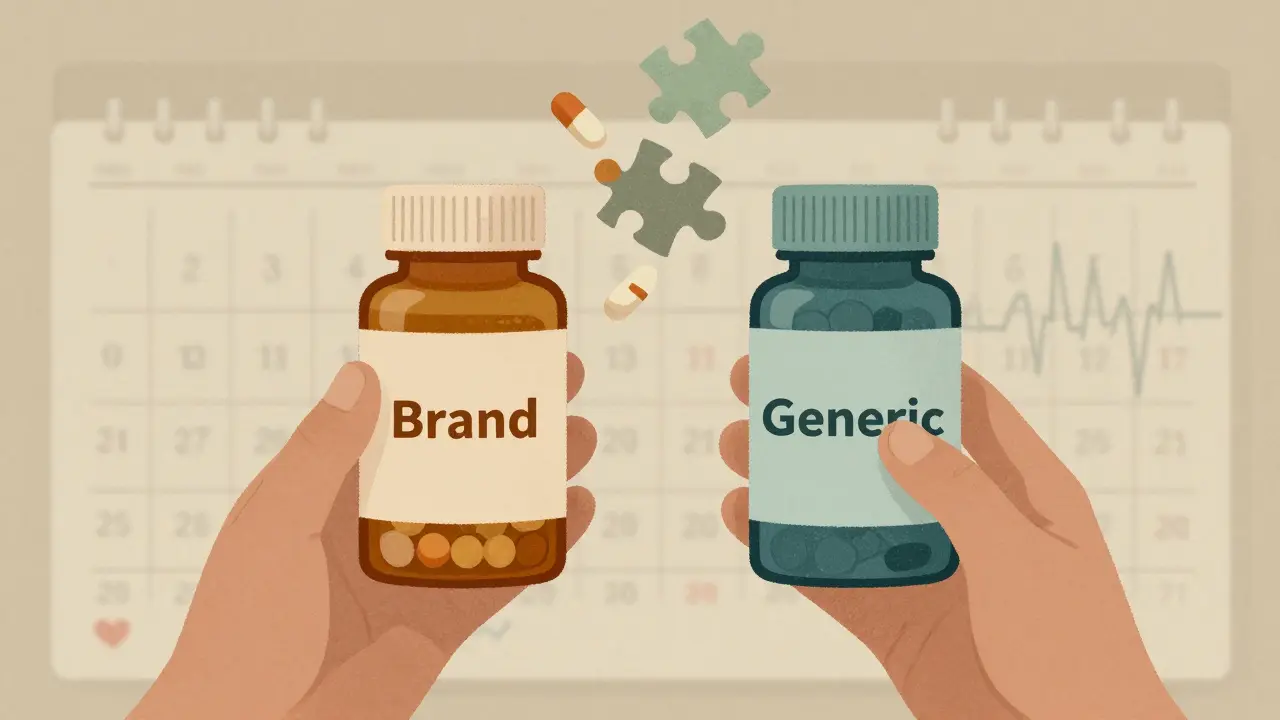
Infographics about generics help patients understand why generic drugs are just as safe and effective as brand-name versions. They use clear visuals to explain bioequivalence, FDA approval, and cost savings-building trust and reducing unnecessary fears.
Patent disputes in the generic drug market are delaying affordable medications for millions. Learn how the Hatch-Waxman Act, Orange Book listings, and serial litigation are driving up drug costs-and what’s being done to fix it.
Switching to generic medications saves money, but long-term health isn't always guaranteed. Learn how to stay safe, track symptoms, and avoid risky switches that can harm your chronic condition over time.
Hospital formularies use evidence-based criteria to select generic drugs that balance safety, effectiveness, and cost. Learn how Pharmacy and Therapeutics committees make these decisions and why they matter for patient care.
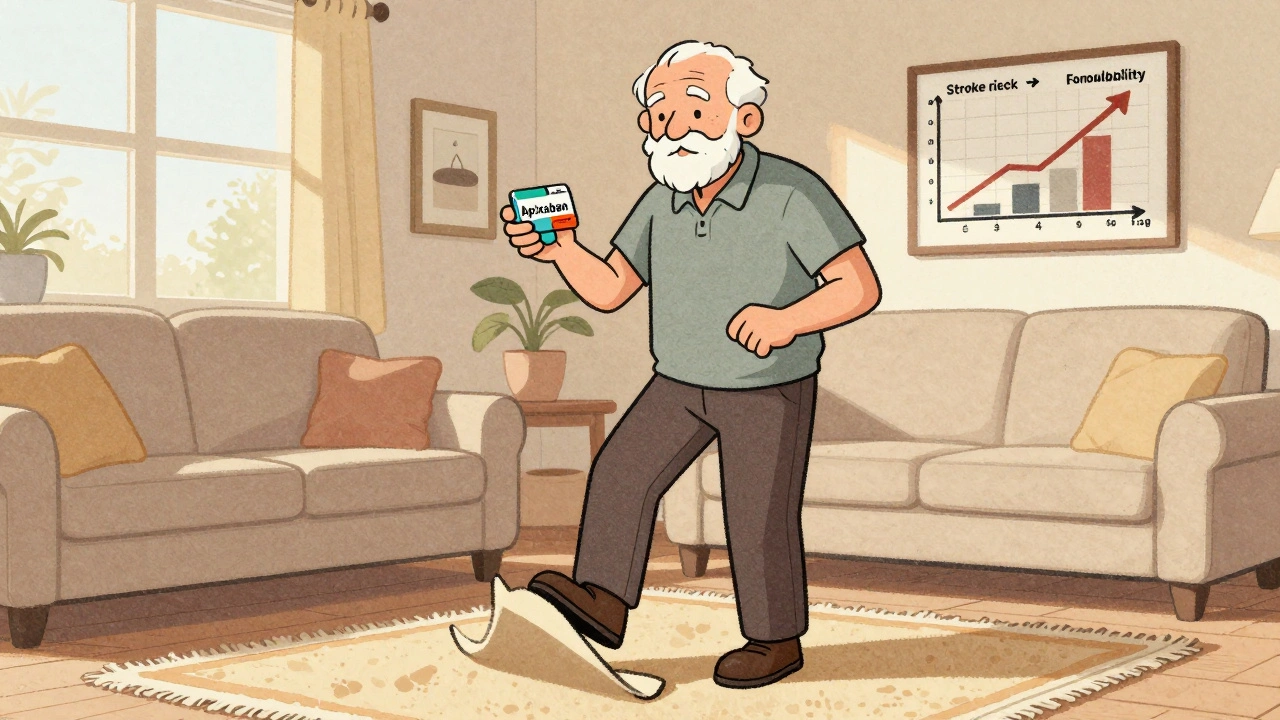
Anticoagulants save more lives than they endanger in seniors with atrial fibrillation. Despite fears about falls, evidence shows stroke prevention benefits far outweigh bleeding risks - especially with newer drugs like apixaban.
Counterfeit generics are fake versions of affordable medications that can be deadly. Learn how to spot them, where to buy safely, and what to do if you’ve been sold a fake pill.
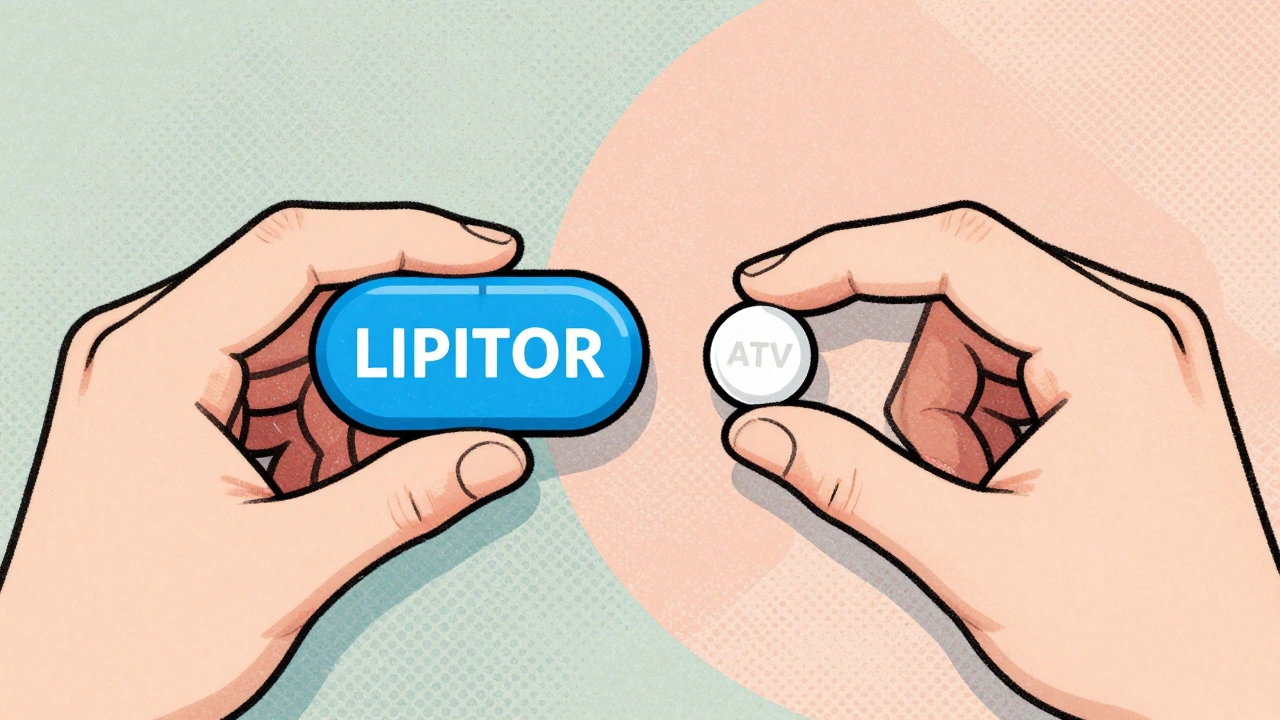
Generic drugs look different from brand-name pills not because they're less effective, but because U.S. trademark laws require them to have a unique appearance. Learn why this rule exists, how it affects you, and what to do when your pill changes shape or color.
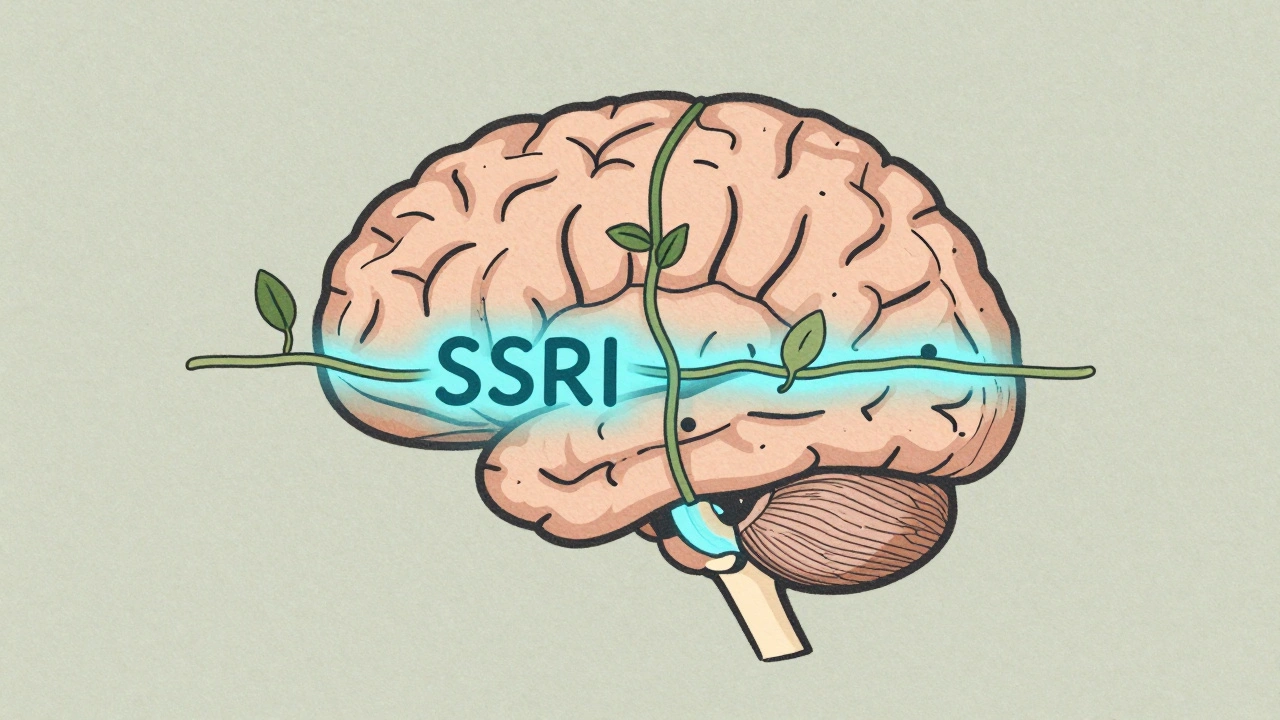
Buspirone augmentation with SSRIs offers a safe, effective way to treat treatment-resistant depression without the weight gain or sexual side effects of other options. Learn how it works, who benefits most, and what to expect.
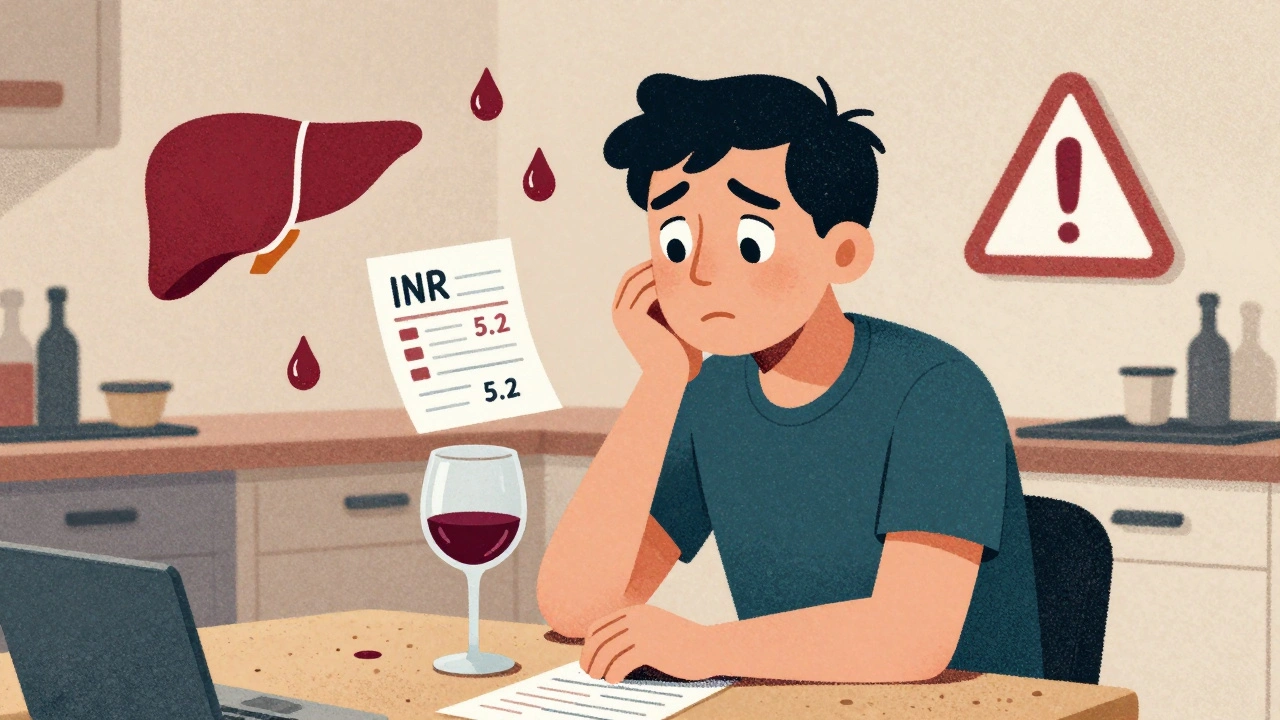
Alcohol can dangerously raise your INR levels when you're on warfarin, increasing bleeding risk. Learn how drinking affects your blood thinner, what safe limits are, and what to do if your INR spikes.
Antiviral medications treat viral infections like flu, COVID-19, and hepatitis C by blocking virus replication. Learn how drugs like Paxlovid, sofosbuvir, and oseltamivir work, their effectiveness, limitations, and what patients need to know for timely treatment.