Hatch-Waxman Act: How Generic Drugs Got Their Start and What It Means for You
When you pick up a generic pill at the pharmacy and pay a fraction of what you used to, you’re seeing the result of the Hatch-Waxman Act, a 1984 U.S. law that balanced drug innovation with affordable access. Also known as the Drug Price Competition and Patent Term Restoration Act, it’s the reason your prescriptions aren’t always hundreds of dollars.
This law didn’t just let copycat drugs into the market—it created a whole new system. Before 1984, generic makers had to prove their drugs worked from scratch, just like the original brand. That took years and cost millions. The Hatch-Waxman Act changed that. It let generic companies show their version was the same as the brand-name drug—same active ingredient, same dose, same way it works—without repeating every clinical trial. That’s called an Abbreviated New Drug Application, a faster FDA pathway for generics that rely on the original drug’s safety data. It’s the backbone of today’s $100 billion generic drug industry.
But it wasn’t all one-sided. Big drug companies were worried their patents would get stolen. So the law gave them something back: extra patent time. If a brand-name drug lost six months to FDA review, the company could get that time added to its patent life. That kept innovation going. The law also let generic makers challenge weak patents before launching, which led to more legal battles but also more competition. Today, nearly 9 in 10 prescriptions are filled with generics—and most of that shift happened because of this one law.
It also created the Orange Book, the FDA’s official list of approved drugs and their patent and exclusivity status. Doctors, pharmacists, and patients use it to know when a generic can legally replace a brand. That’s why your pharmacist can swap out your brand-name drug for a cheaper version—because the FDA says they’re interchangeable.
But the system isn’t perfect. Some companies abuse patent extensions to delay generics. Others pay generic makers to stay off the market—called "pay-for-delay" deals. These practices keep prices high, even when the law says they shouldn’t be. That’s why you still see fights over drugs like insulin, asthma inhalers, or biologics—where the Hatch-Waxman Act doesn’t always apply cleanly.
What you’ll find below are real-world stories tied to this law. You’ll see how it affects your prescriptions—from the label warnings on your pills to the cost of your monthly meds. You’ll learn how generic versions of drugs like loratadine, clopidogrel, and venlafaxine made it to market. You’ll understand why some drugs have no generics yet, and how the FDA’s rules shape what’s available in your medicine cabinet. This isn’t just history—it’s the reason your next refill costs less than you think.
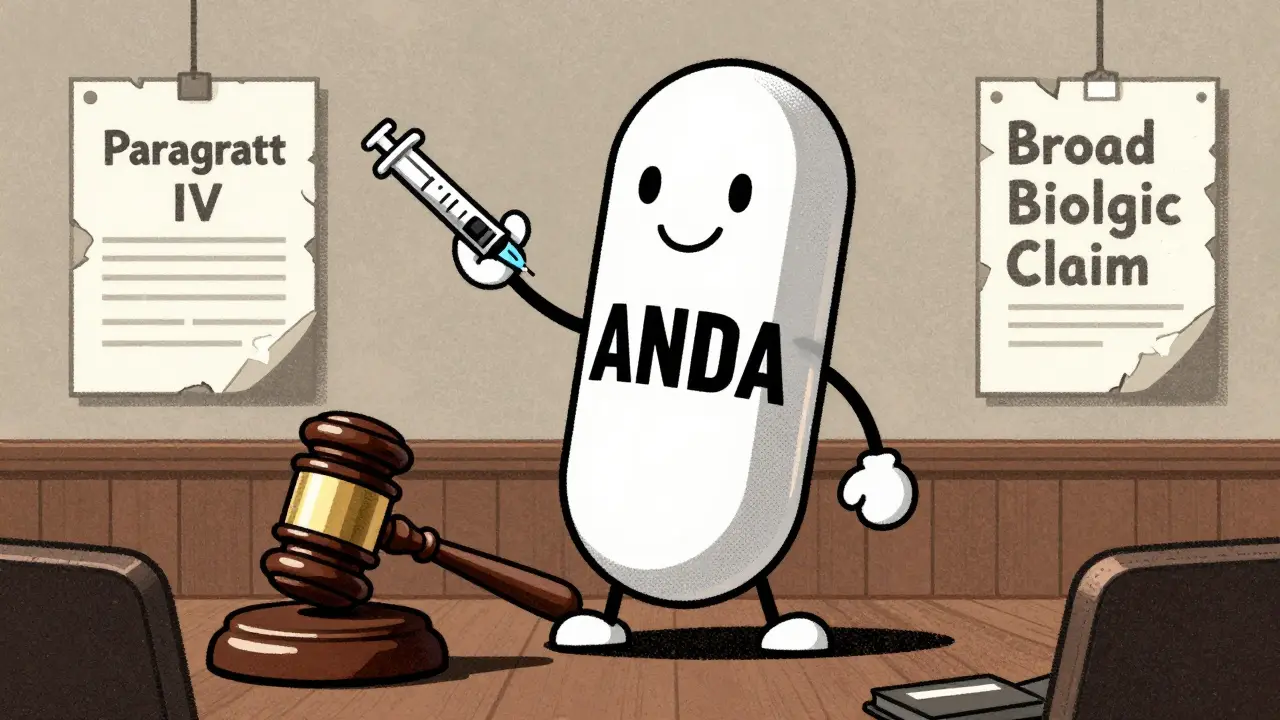
Landmark court decisions like Amgen v. Sanofi and Allergan v. Teva have reshaped how generic drugs enter the market, directly affecting drug prices. These cases define the legal boundaries between innovation and affordability.
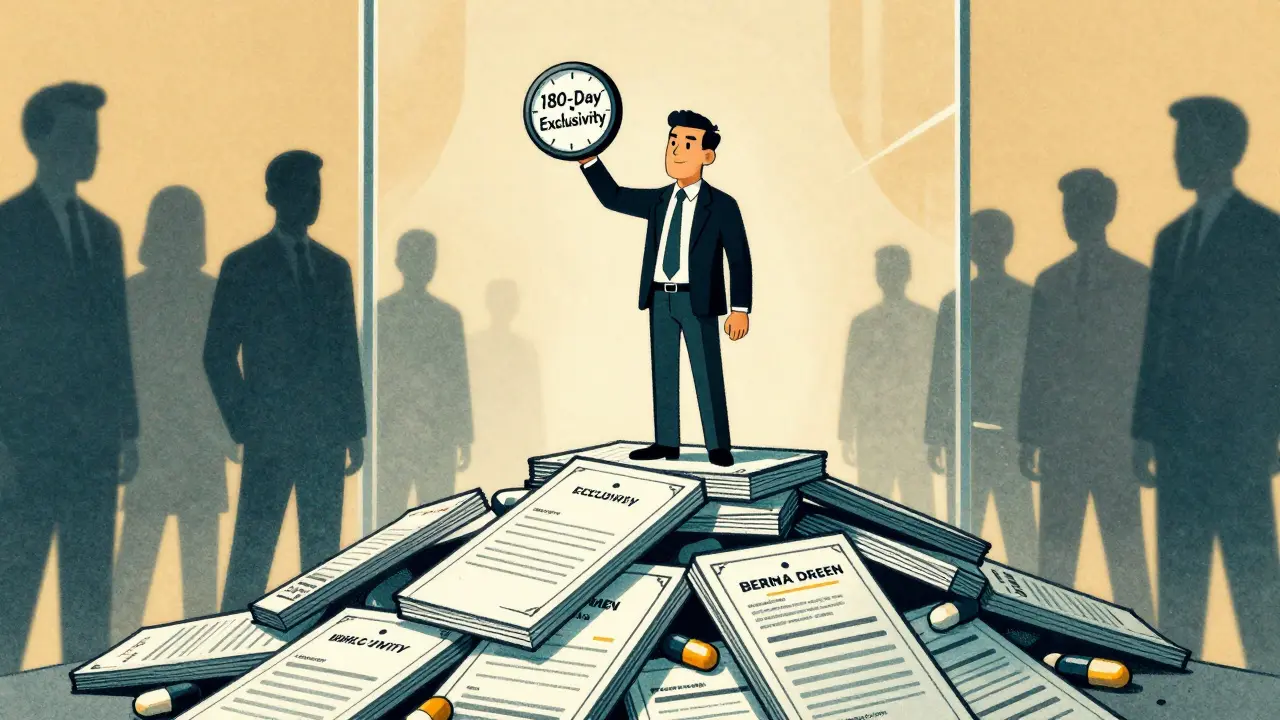
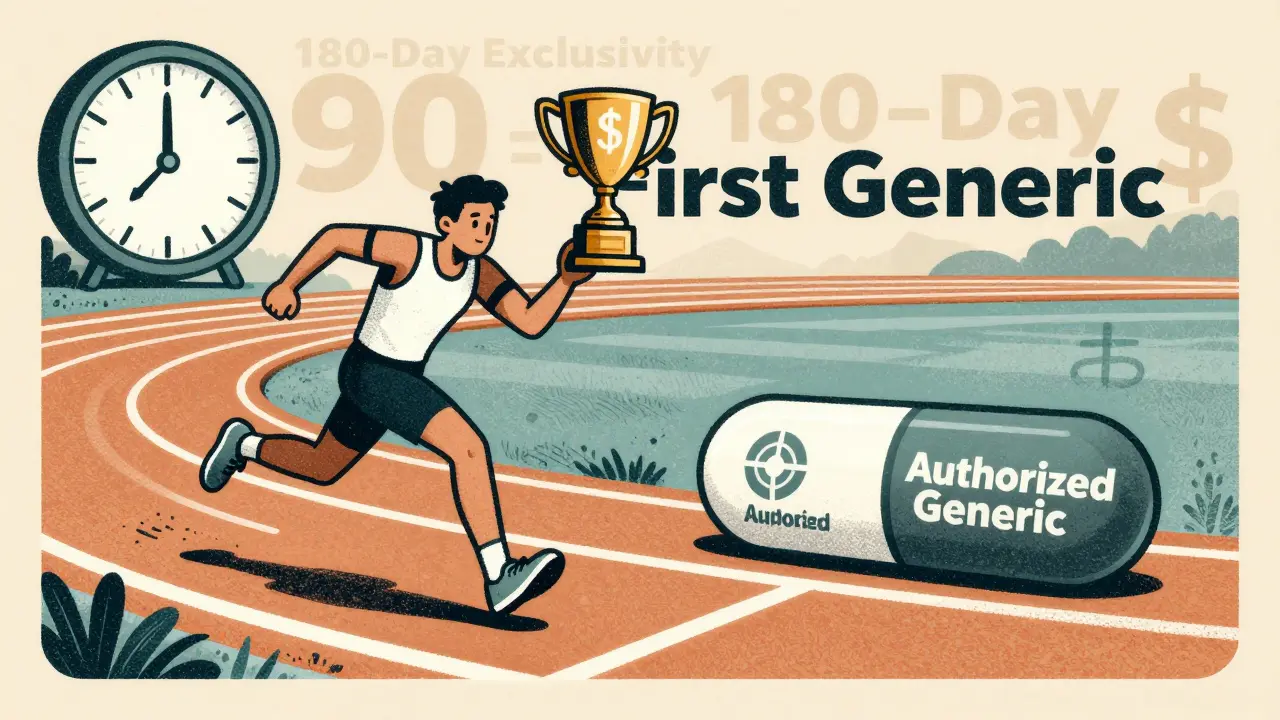
FDA's 180-day exclusivity gives the first generic drug applicant a legal monopoly to delay competition-sometimes for years. Learn how it works, who benefits, and why reform is on the horizon.
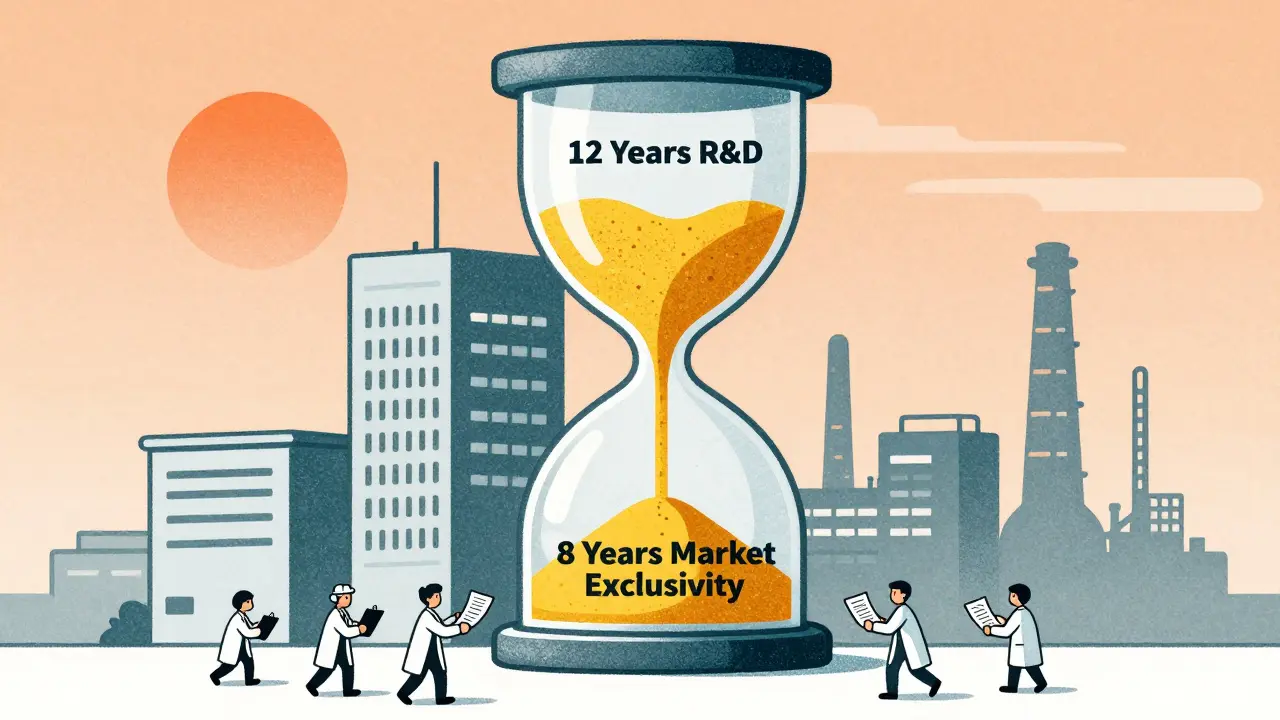
Patent law protects pharmaceutical innovation by giving companies exclusive rights to sell new drugs for a limited time. This system, shaped by the Hatch-Waxman Act, balances incentives for R&D with access to affordable generics that save billions annually.
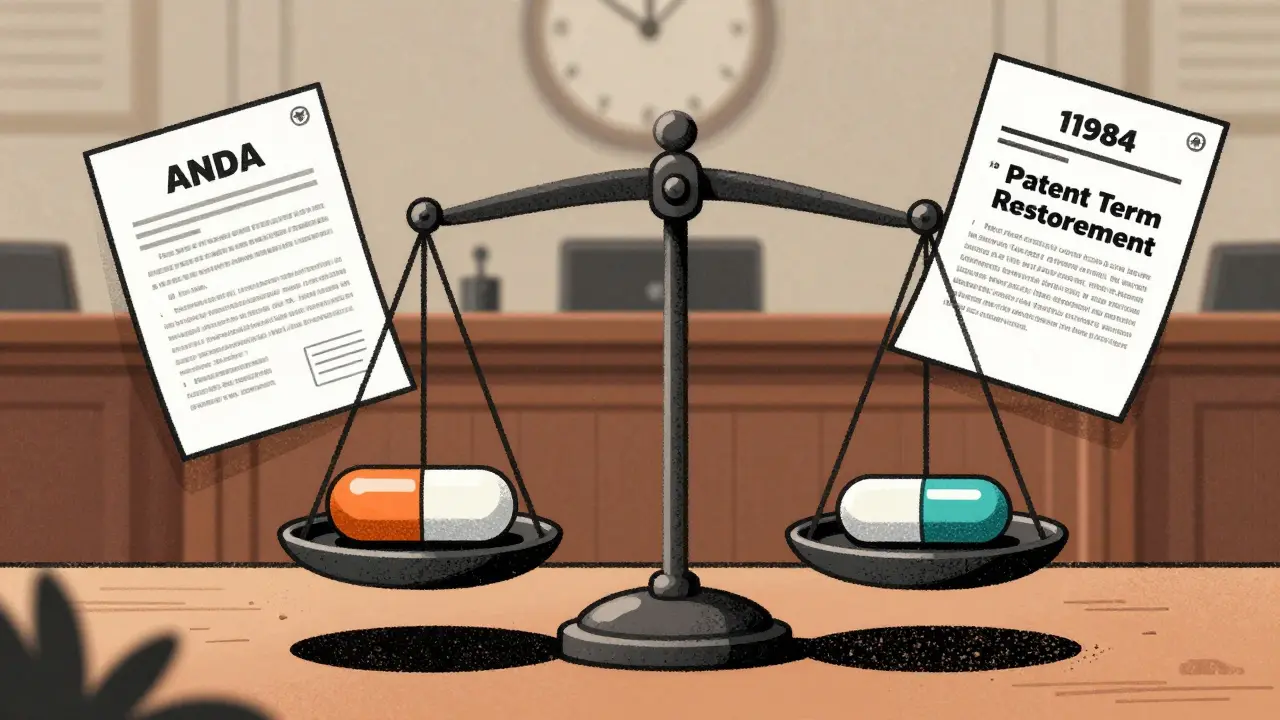
The Hatch-Waxman Act created the modern system for generic drug approval in the U.S., balancing innovation incentives with affordable access. It cut drug costs by billions but has been exploited through patent manipulation.
First generics and authorized generics may look the same, but their market entry timing changes drug prices and competition. Learn how brand companies use authorized generics to undercut first entrants - and what it means for your prescription costs.
Patent disputes in the generic drug market are delaying affordable medications for millions. Learn how the Hatch-Waxman Act, Orange Book listings, and serial litigation are driving up drug costs-and what’s being done to fix it.
Antitrust laws shape the generic drug market by preventing pay-for-delay deals, patent abuse, and other tactics that block competition. These rules save consumers billions and keep medications affordable.