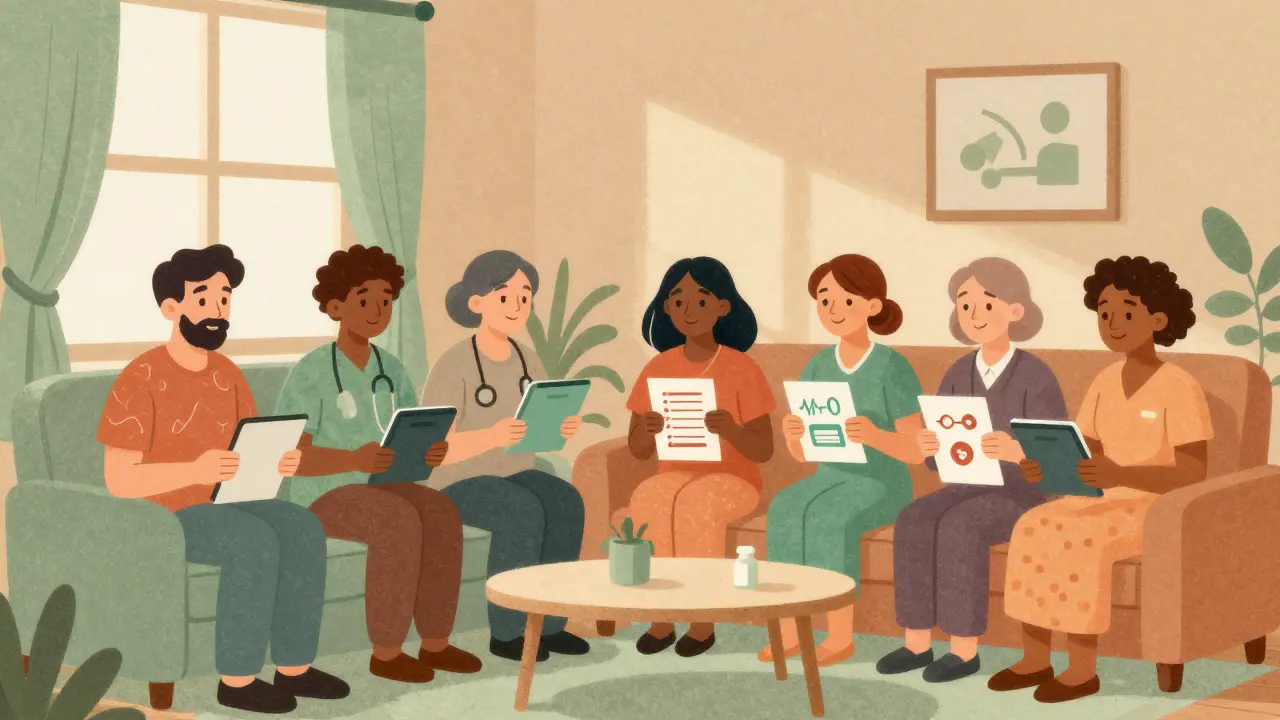
Learn how to join patient registries for drug safety, why they matter, what data is collected, and how to protect your privacy. Essential guide for patients on high-risk medications.
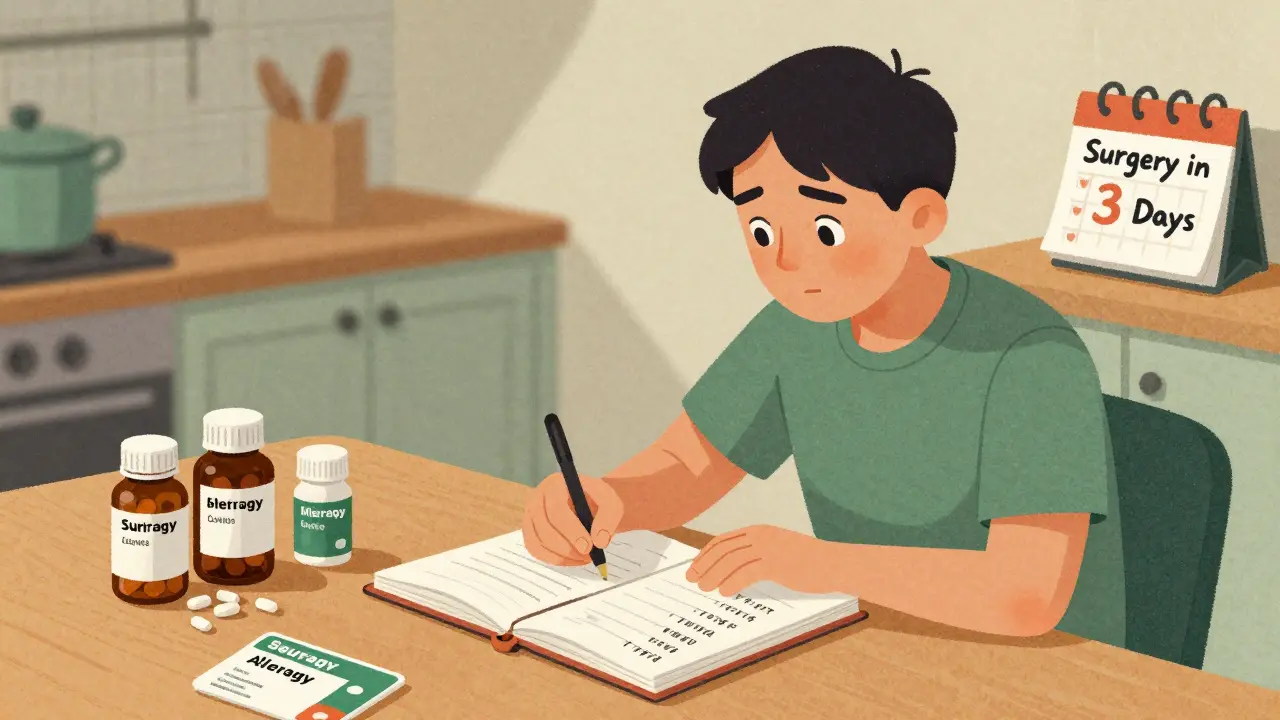
Learn how to clearly communicate past drug reactions before surgery to prevent dangerous complications. Get step-by-step guidance on what to tell your care team, which drugs to watch for, and how to ensure your history is properly documented.
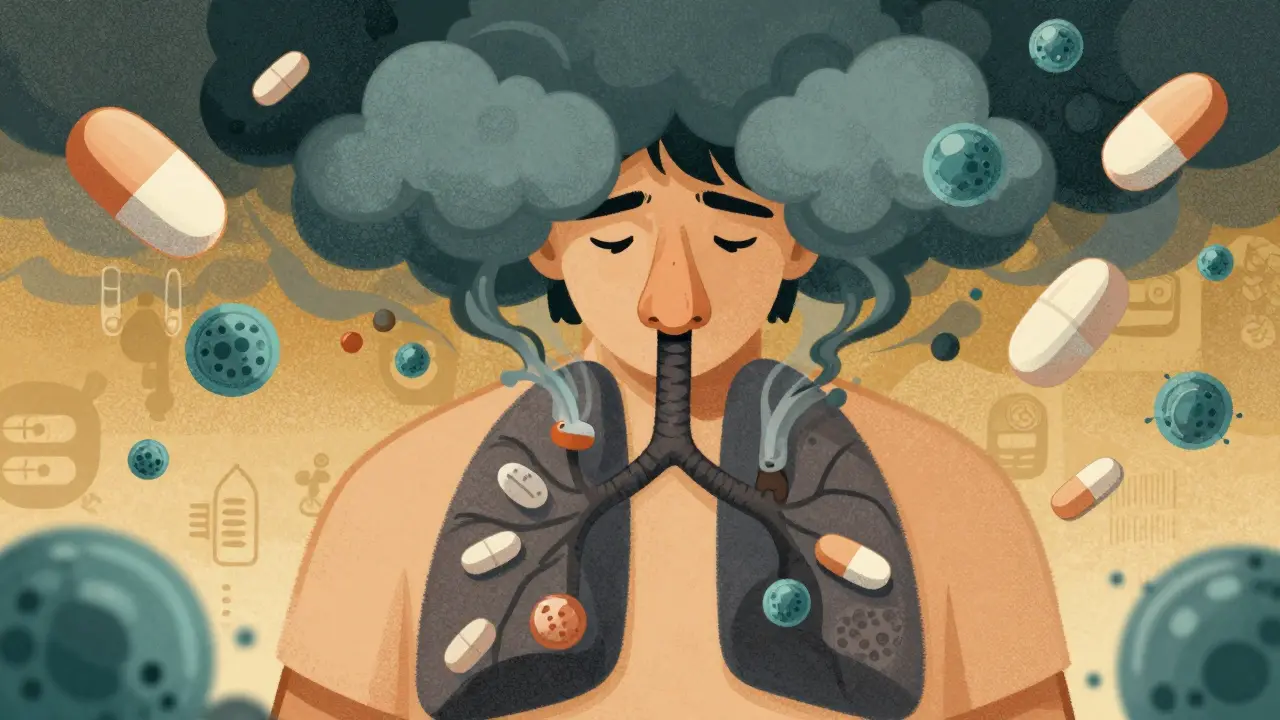
AERD, or Samter's Triad, is a chronic condition linking asthma, nasal polyps, and aspirin sensitivity. Learn how diagnosis works, why aspirin desensitization is the most effective treatment, and what daily management looks like.
Dermatomyositis and polymyositis are rare autoimmune diseases causing muscle inflammation and weakness. Learn how they differ, how they're diagnosed, and the latest treatments-including steroids, biologics, and physical therapy-that can restore strength and improve quality of life.
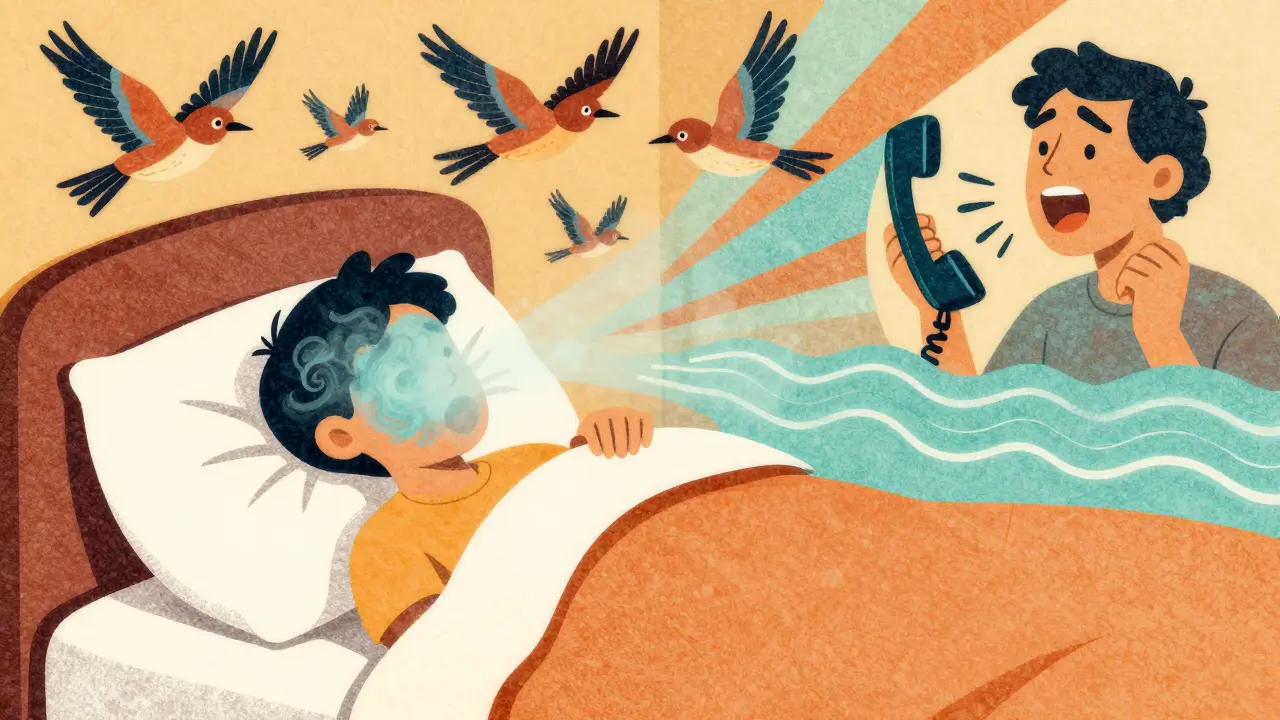
Sudden sensorineural hearing loss is a medical emergency. Immediate steroid treatment within 72 hours can dramatically improve hearing recovery. Delaying care risks permanent damage.
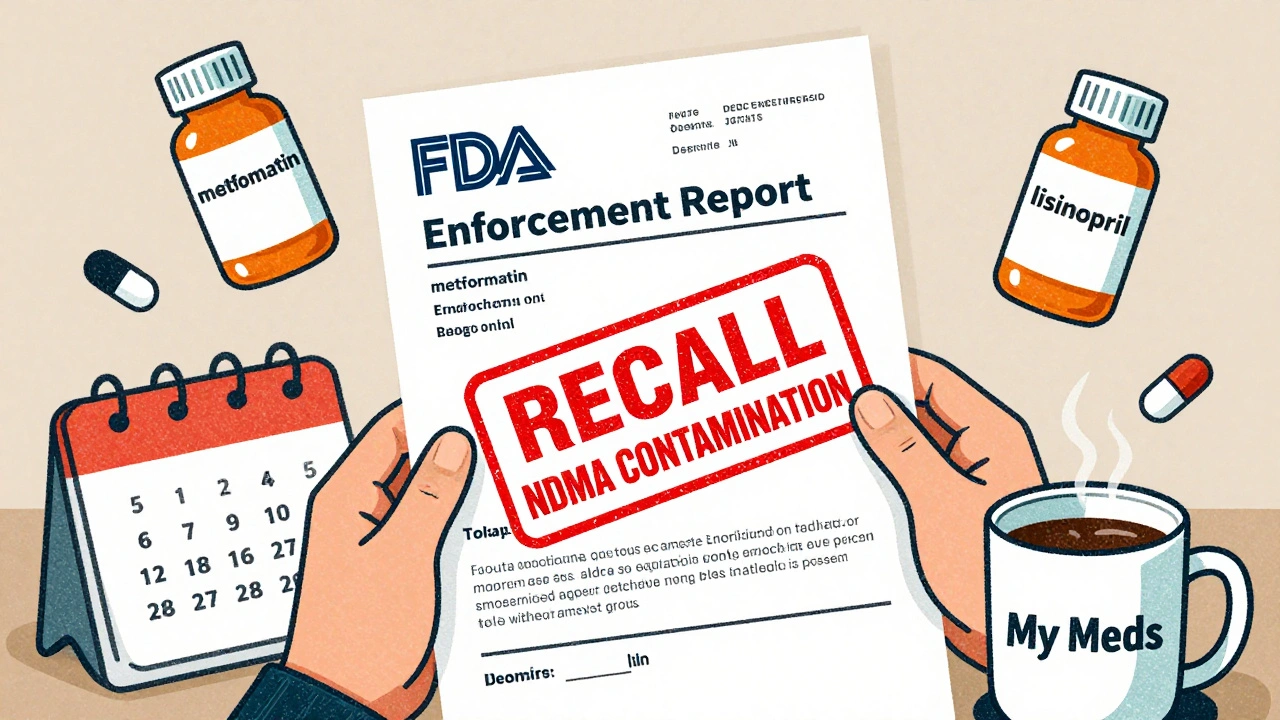
Learn how to subscribe to FDA drug safety alerts for recalls, side effects, and medication updates. Free, fast, and essential for patients and providers. Get email alerts for your medications before it's too late.
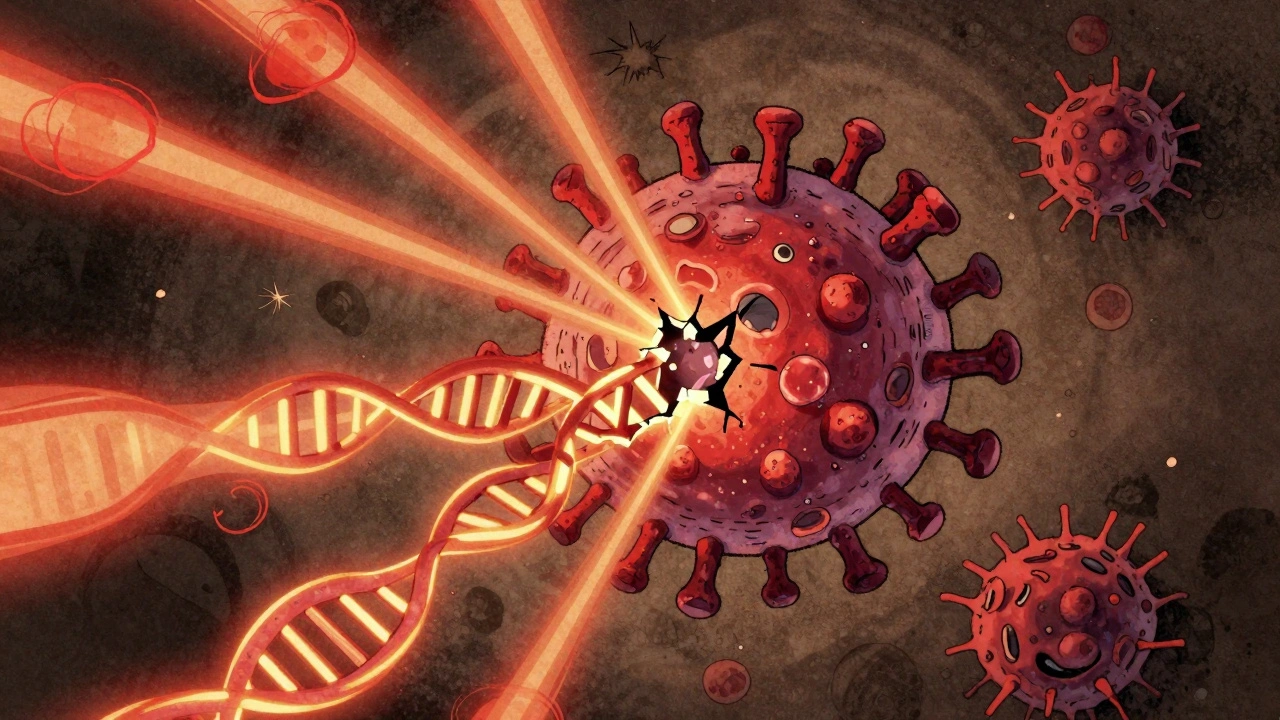
Radiation therapy kills cancer cells by damaging their DNA, especially through double-strand breaks. Modern techniques make it precise, and new research shows it can also activate the immune system to fight cancer long-term.
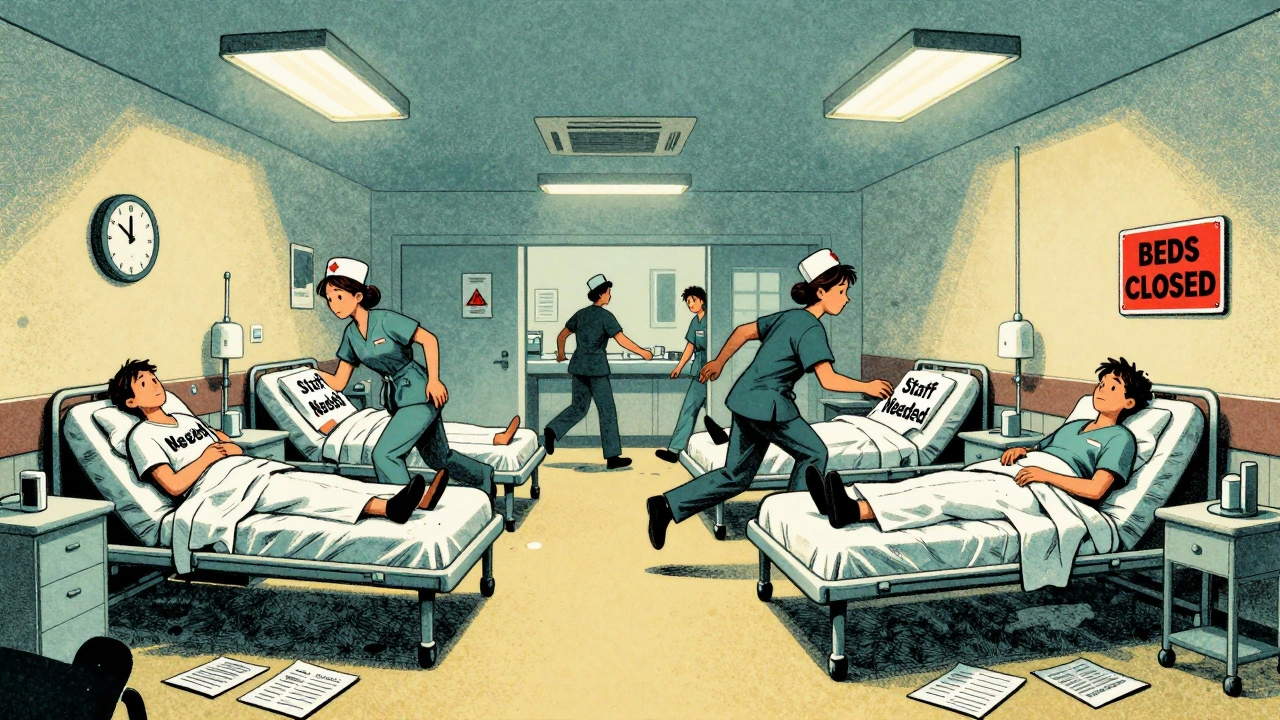
Hospitals and clinics across the U.S. are struggling to stay open due to severe staffing shortages. Nurses are burned out, patients wait days for care, and rural areas are hit hardest. This isn't a temporary issue-it's a systemic crisis with no easy fix.
Medication shortages are disrupting care across the U.S., with critical drugs like morphine, antibiotics, and chemotherapy agents running out. Learn how hospitals are responding, what patients can do, and why this crisis keeps getting worse.
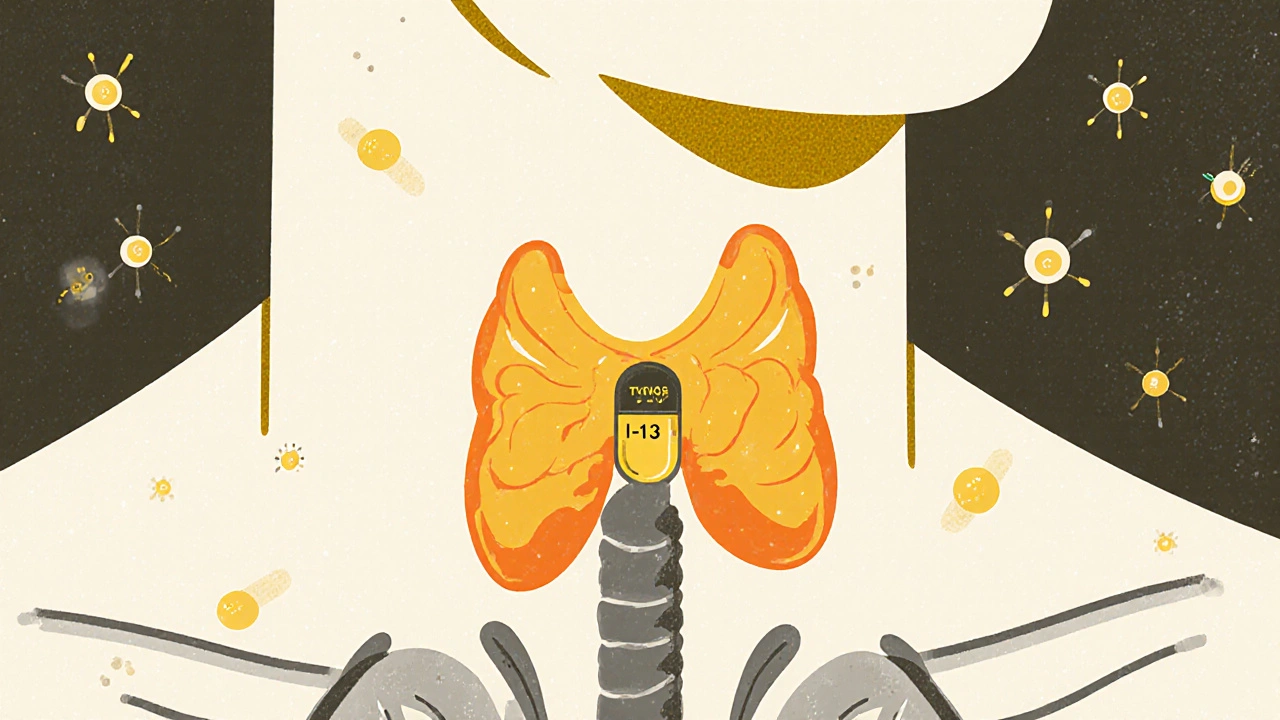
Thyroid cancer is highly treatable, with most patients surviving long-term. Learn about the four main types, how radioactive iodine therapy works, what thyroidectomy involves, and what life looks like after treatment.