Dose titration is the safest way to start medications with serious side effects. By slowly increasing the dose, you reduce risks and find your personal effective level - without the discomfort that comes from jumping straight to full dosage.
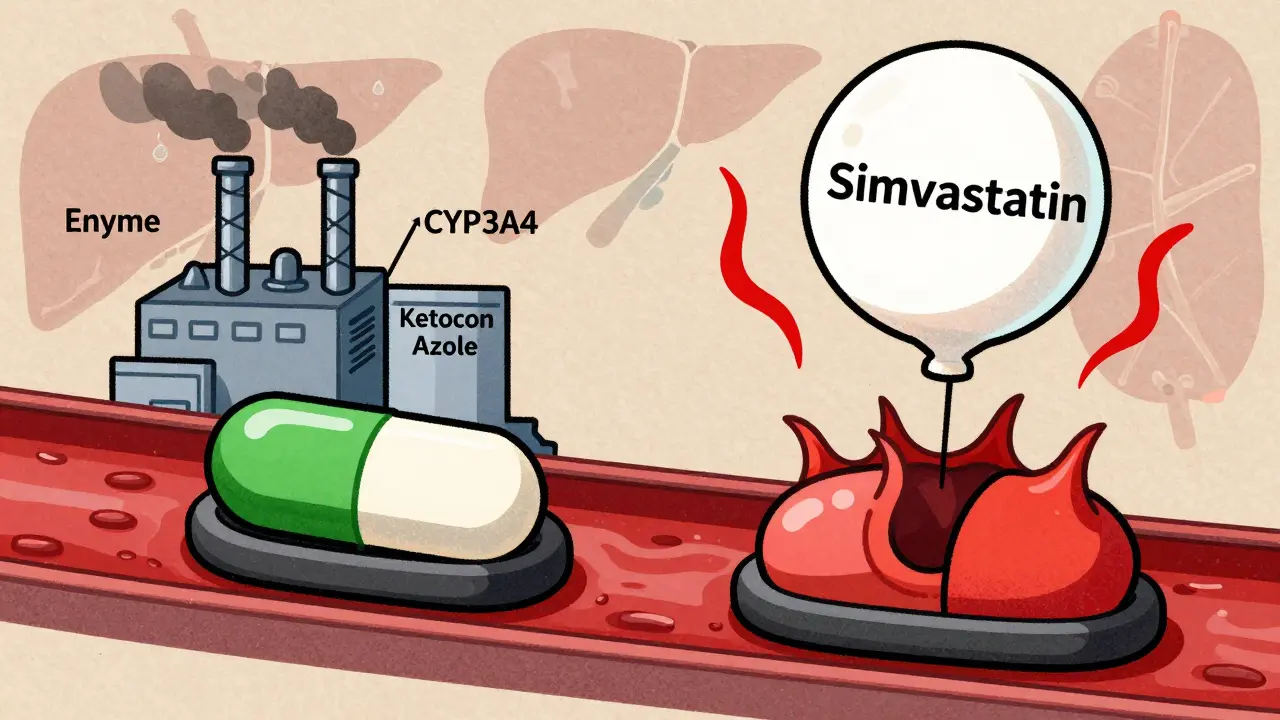
Drug-drug interactions can cause serious harm or reduce medication effectiveness. This article explains how pharmacokinetic and pharmacodynamic interactions work, the role of CYP enzymes and transporters, real-world risks, and how to protect yourself.
Learn how to recognize the difference between mild, moderate, and severe allergic reactions to medications - and what to do before it’s too late. Real symptoms, real risks, real actions.
FDA's 180-day exclusivity gives the first generic drug applicant a legal monopoly to delay competition-sometimes for years. Learn how it works, who benefits, and why reform is on the horizon.
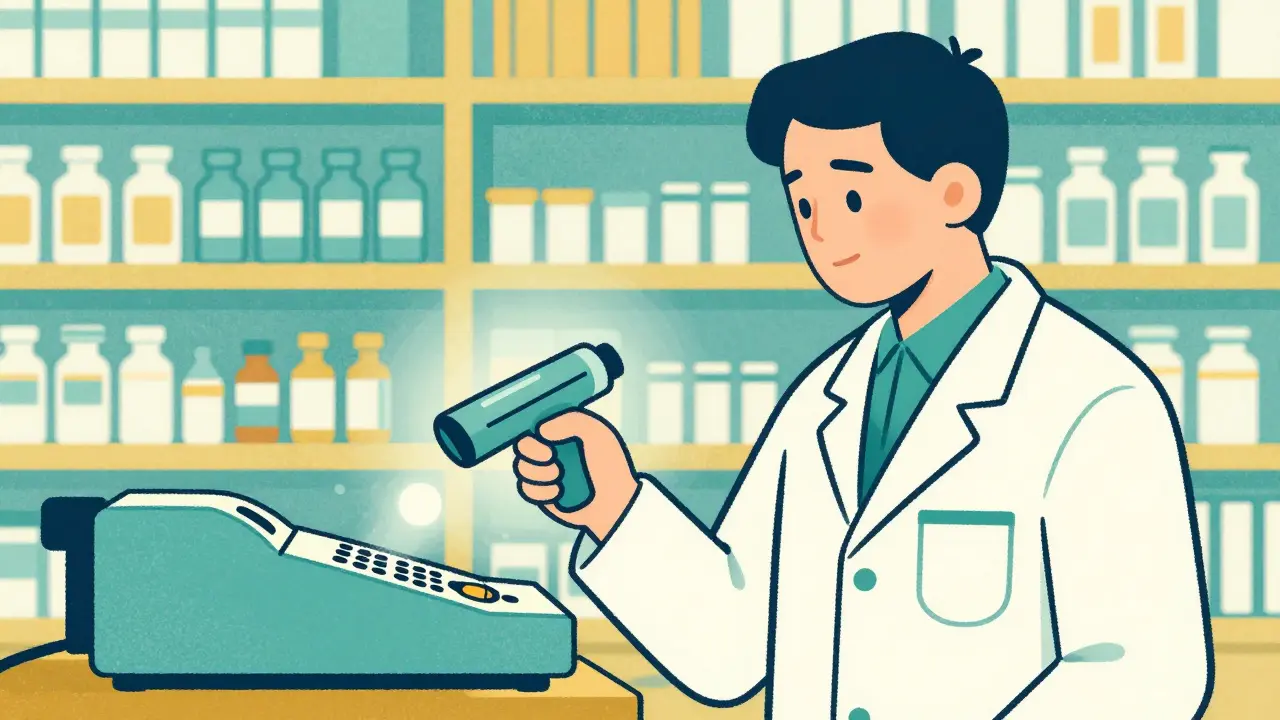
Pharmacist education for counterfeit drug detection is vital to patient safety. Explore current training programs, RxAll's tech, and global efforts to combat fake medications. Learn how pharmacists are the last line of defense.
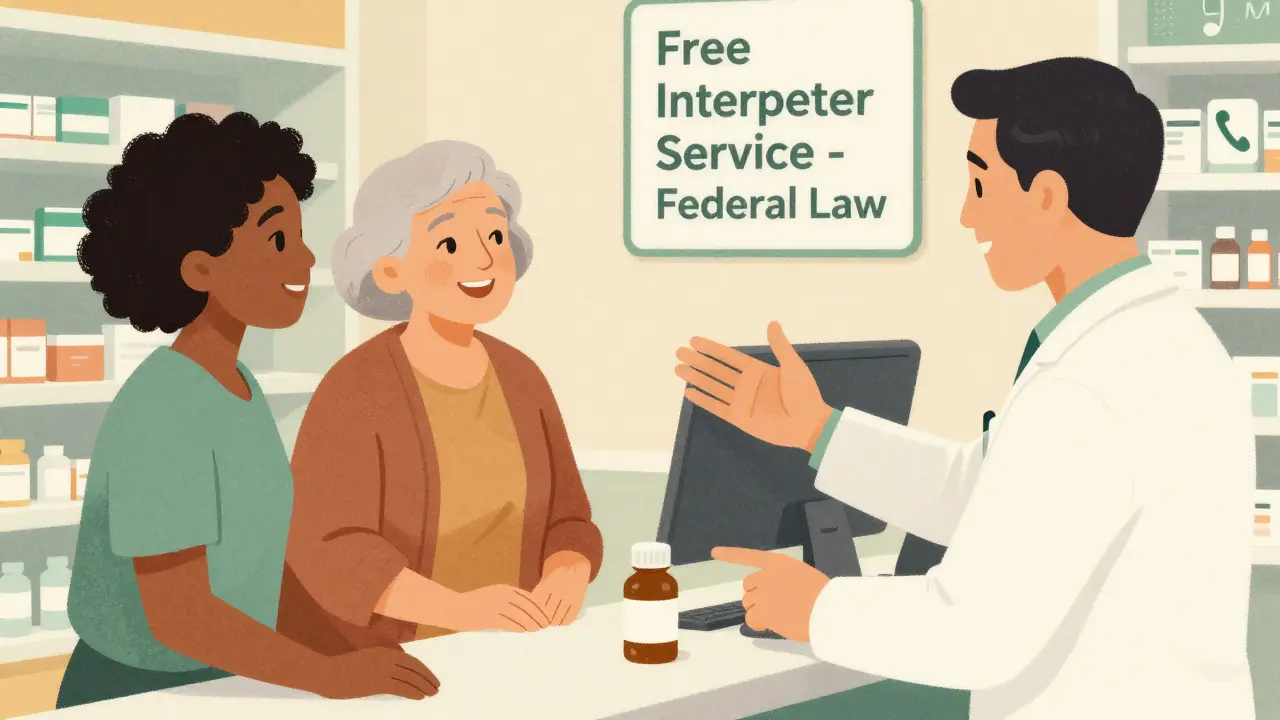
Learn how to request a professional interpreter for medication counseling at the pharmacy. Federal law guarantees free, qualified language help to prevent dangerous medication errors for non-English speakers.
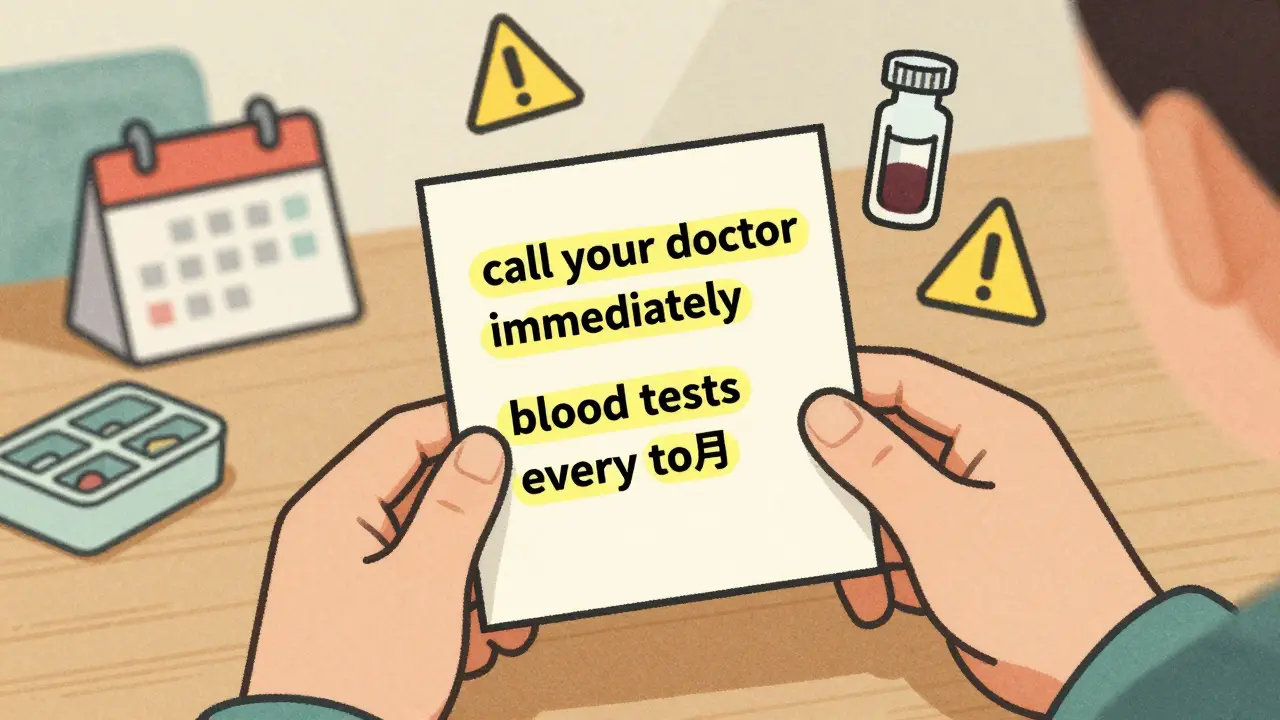
Learn how to read FDA-mandated medication guides to spot serious drug risks and monitoring requirements. Get clear steps to identify life-saving warnings, test schedules, and emergency symptoms in your prescription information.
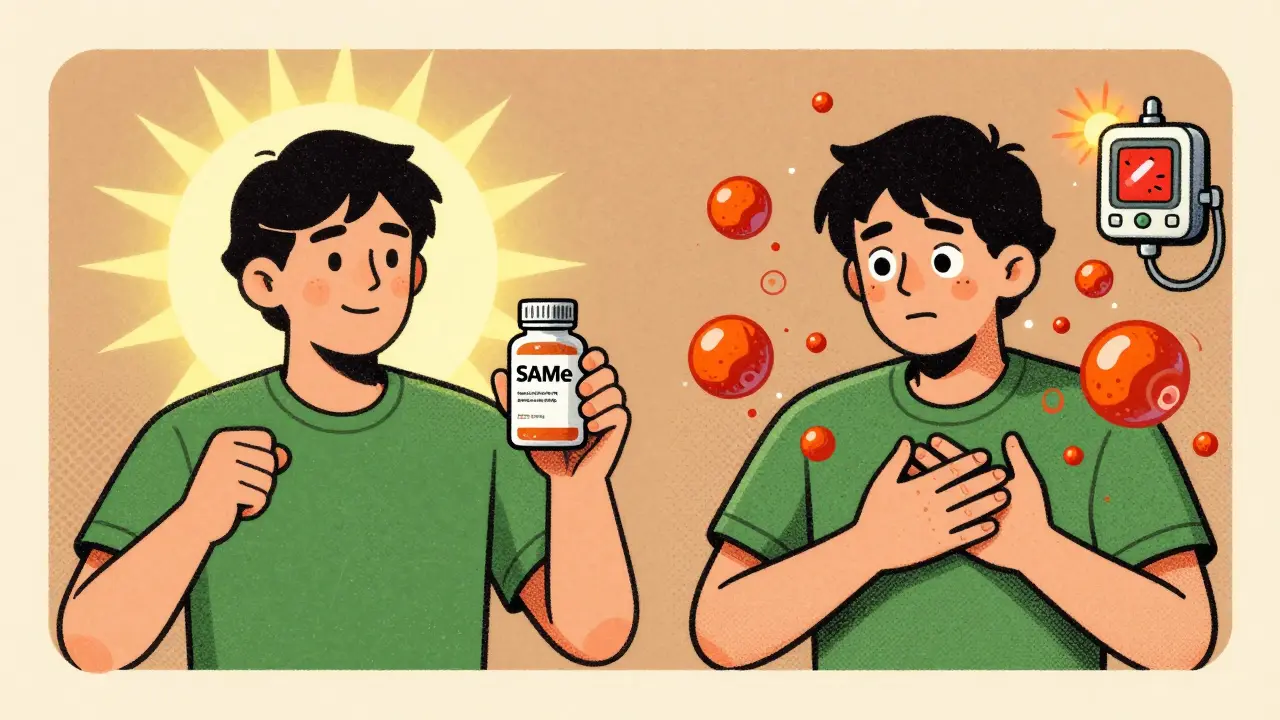
SAMe may help with mild depression, but combining it with antidepressants raises serious risks like serotonin syndrome. Learn how it works, who should avoid it, and what to do if you're already using both.
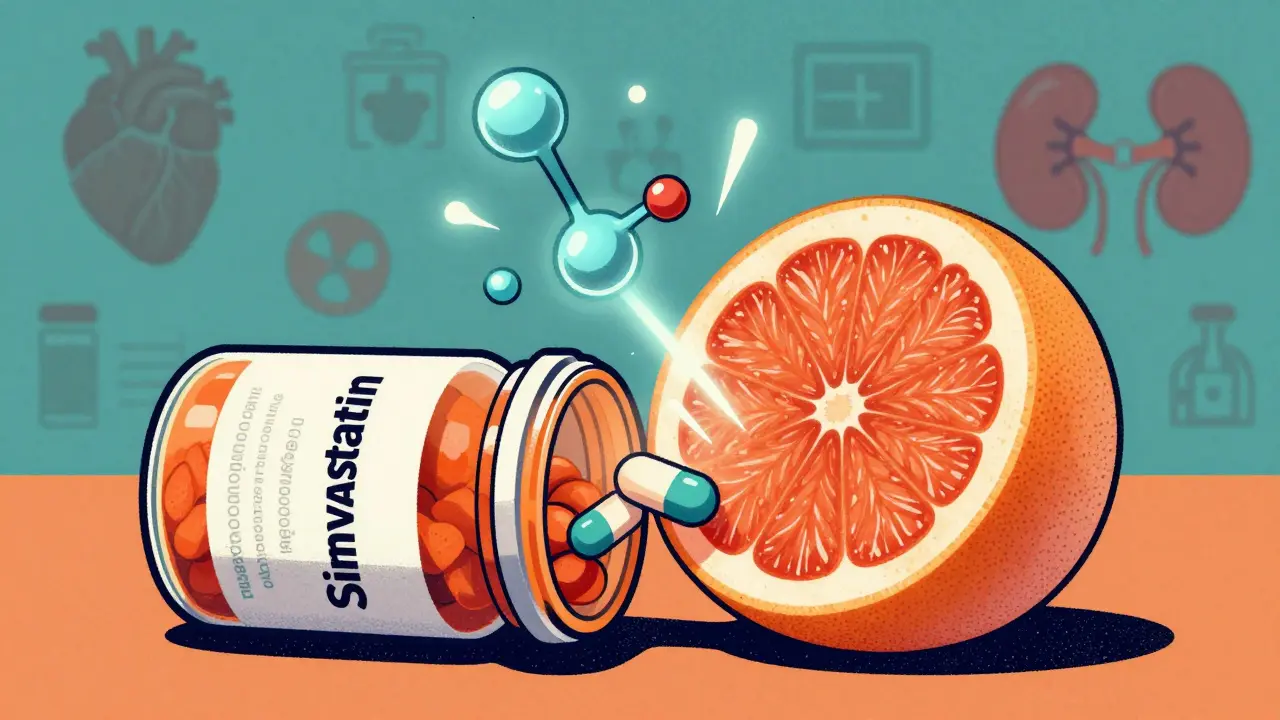
Grapefruit juice can dangerously increase simvastatin levels in your blood, raising the risk of muscle damage and kidney failure. Learn how much is unsafe, which statins are safer, and what to do if you're currently taking both.
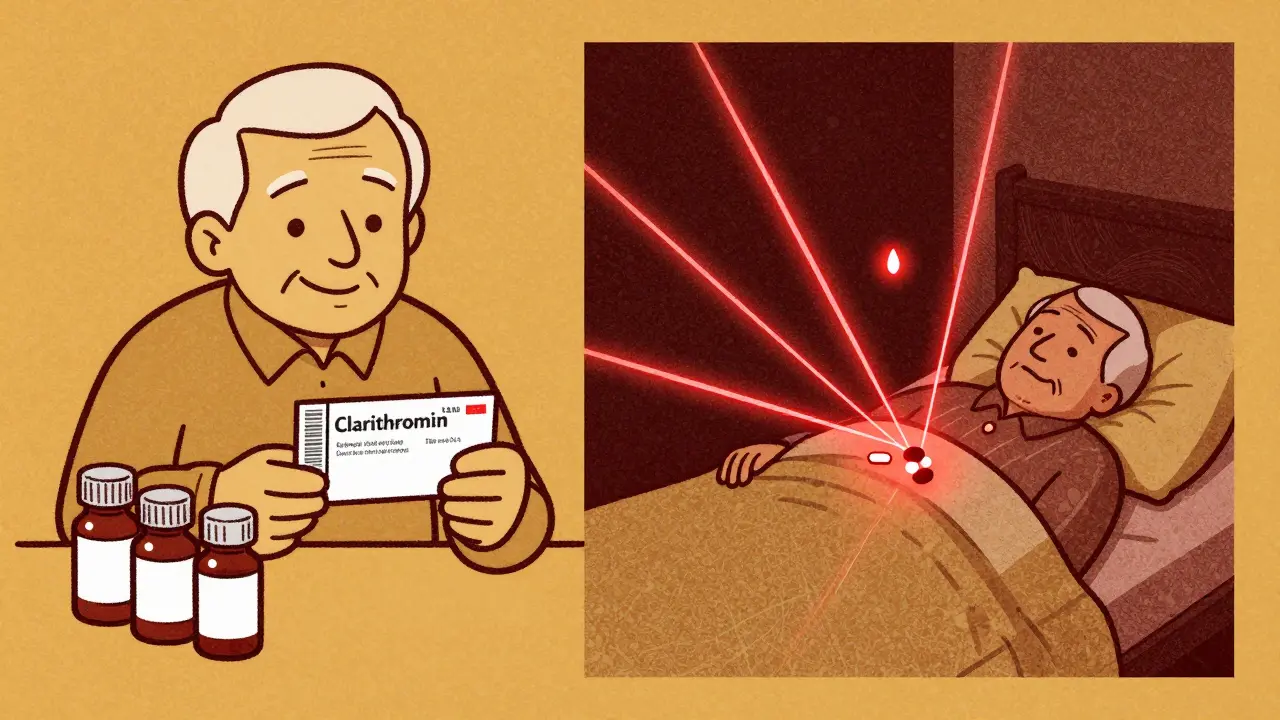
Clarithromycin can cause deadly drug interactions, especially with colchicine, statins, and heart medications. Learn which combinations to avoid and safer alternatives like azithromycin.