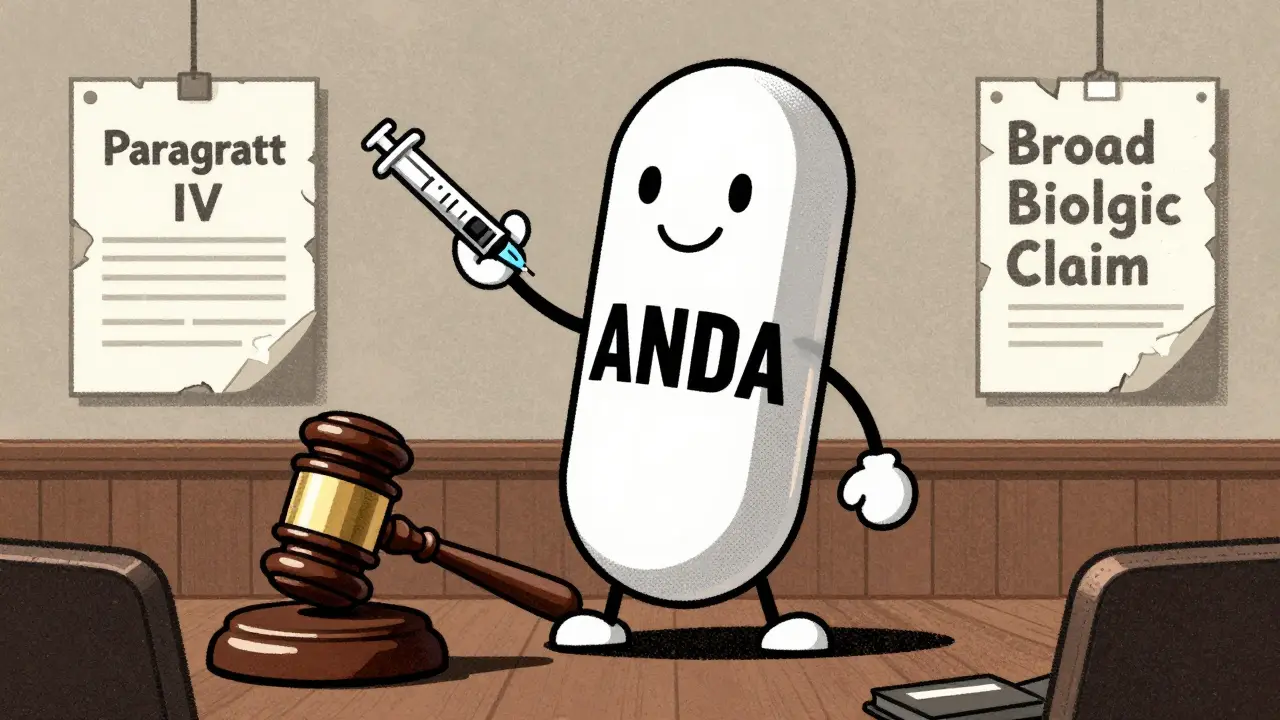
Landmark court decisions like Amgen v. Sanofi and Allergan v. Teva have reshaped how generic drugs enter the market, directly affecting drug prices. These cases define the legal boundaries between innovation and affordability.
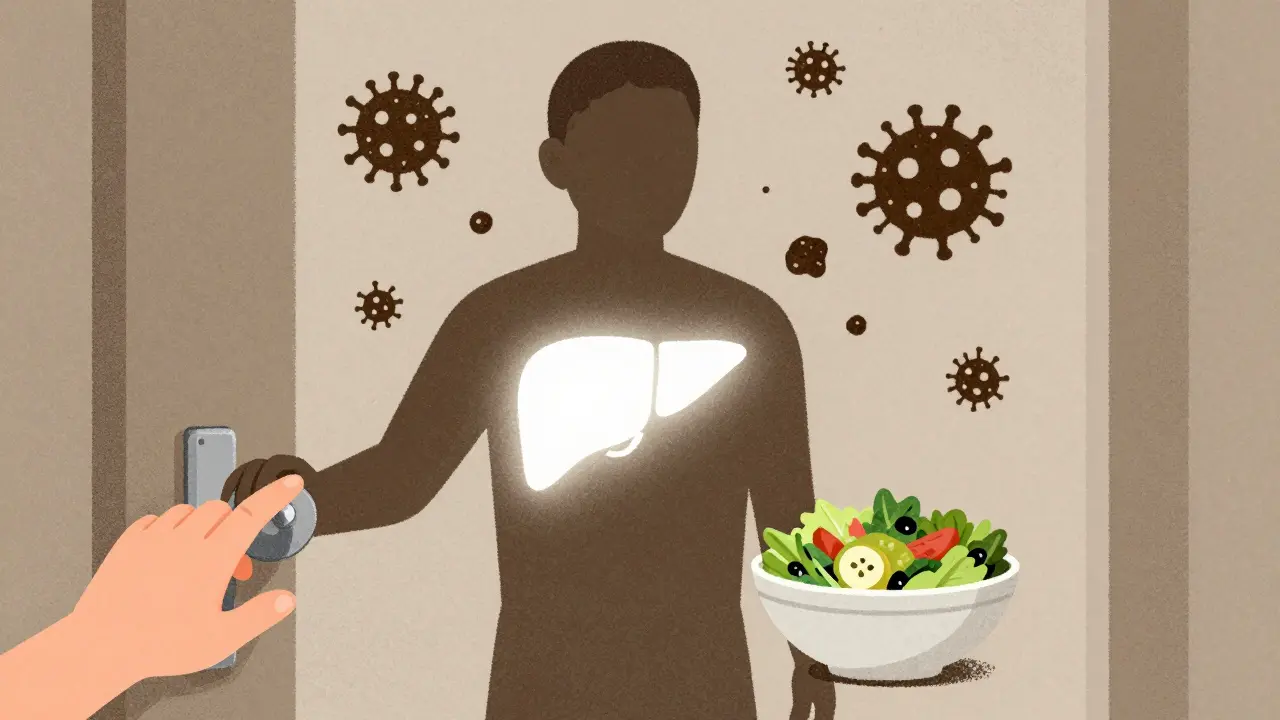
Hepatitis A is a contagious liver infection that causes fatigue, jaundice, and nausea. It doesn't become chronic, but recovery can take weeks to months. Vaccination is the best prevention - and it's highly effective. Learn how it spreads, how long symptoms last, and what to do to recover safely.
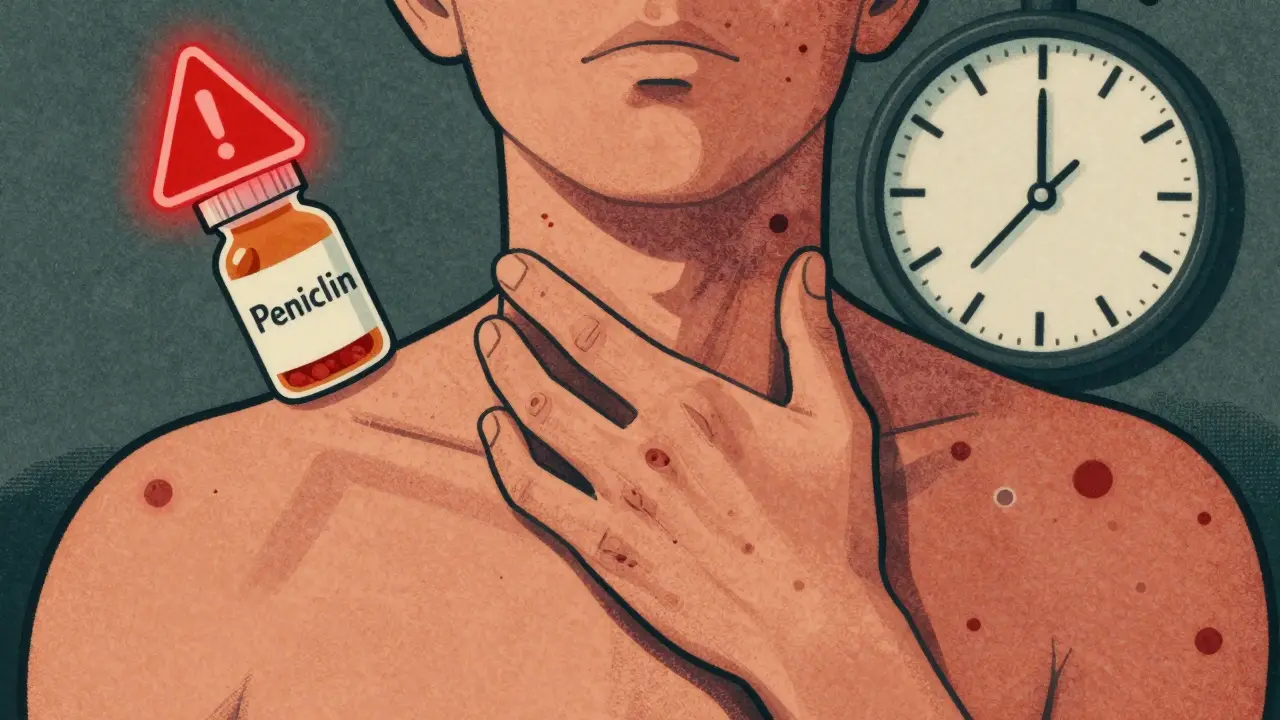
Not all side effects mean you should quit your medication - but some do. Learn the critical signs that demand immediate discontinuation and the dangerous ones you must never stop cold turkey.
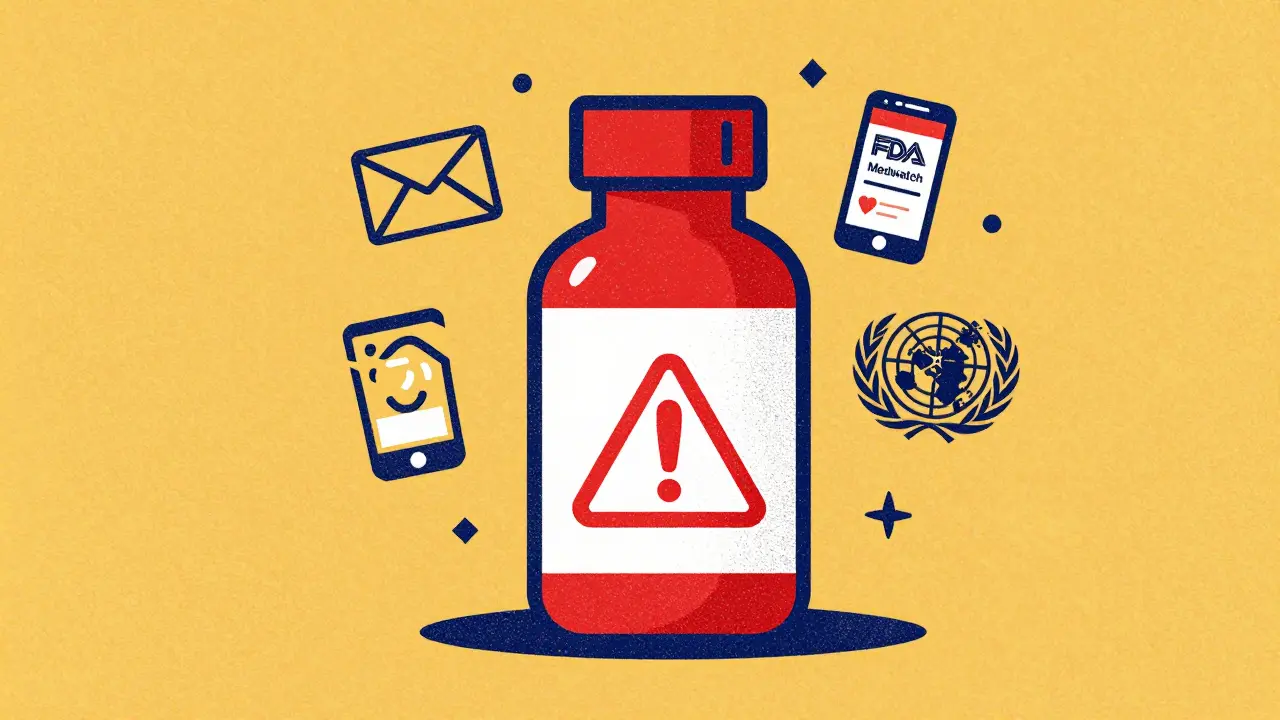
Learn how to track FDA, EMA, and WHO drug safety alerts in real-time. Get step-by-step guidance on signing up for alerts, verifying recalls, and reporting side effects. Stay informed to protect yourself from unsafe medications.
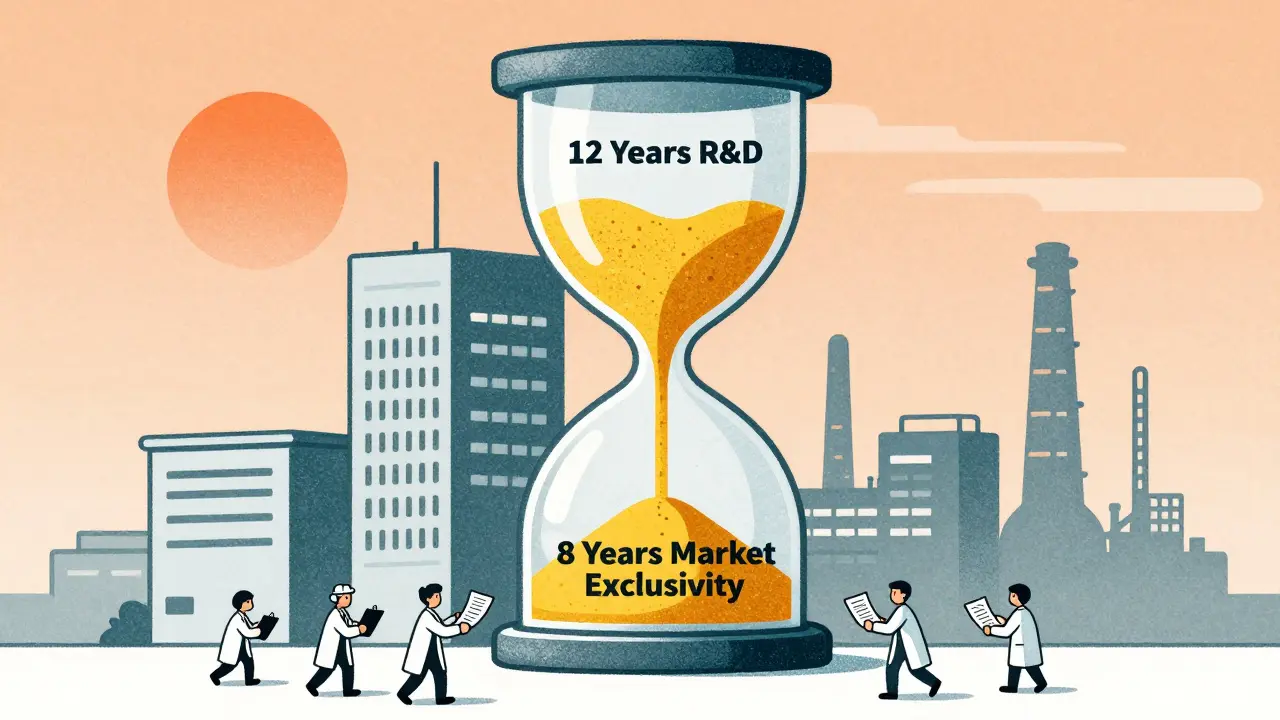
Patent law protects pharmaceutical innovation by giving companies exclusive rights to sell new drugs for a limited time. This system, shaped by the Hatch-Waxman Act, balances incentives for R&D with access to affordable generics that save billions annually.
Antibiotics fight bacterial infections by targeting unique bacterial structures. Learn how the main classes-beta-lactams, tetracyclines, fluoroquinolones, and others-work, why resistance is rising, and how to use them responsibly.
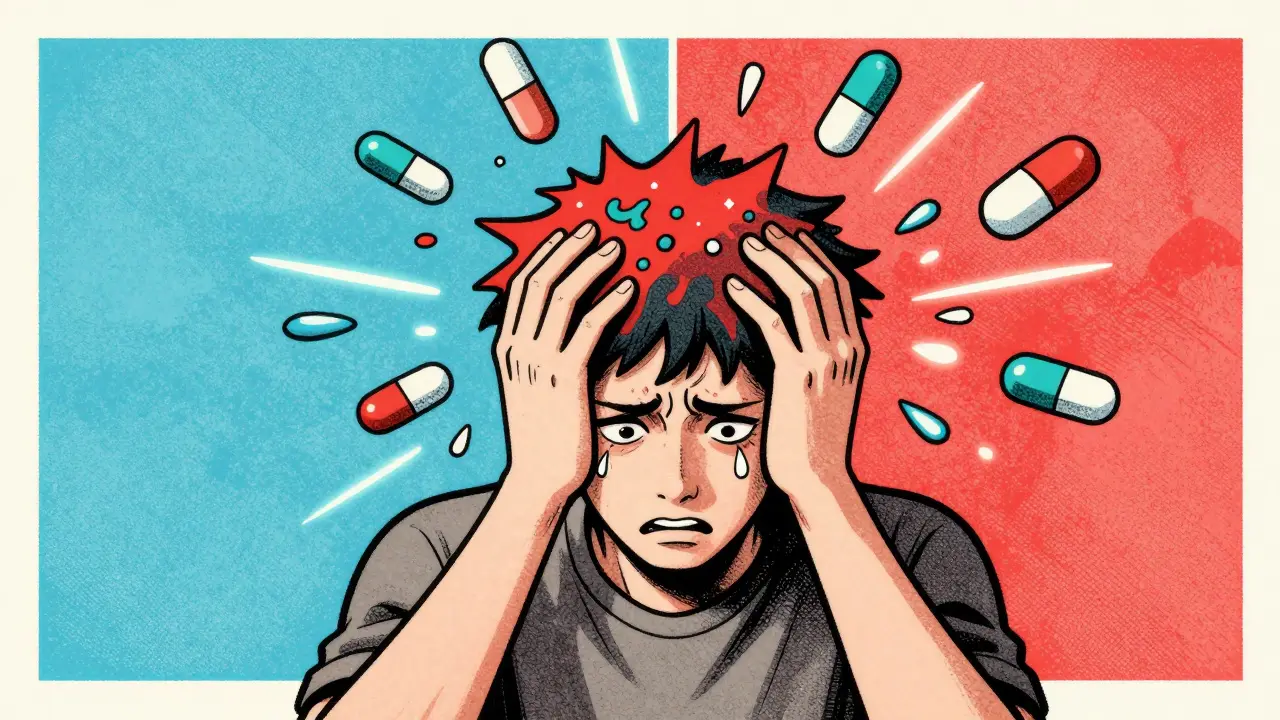
Serotonin syndrome is a life-threatening reaction to too much serotonin, often triggered by SSRIs combined with other drugs. Know the signs-clonus, fever, confusion-and act fast. Early treatment saves lives.
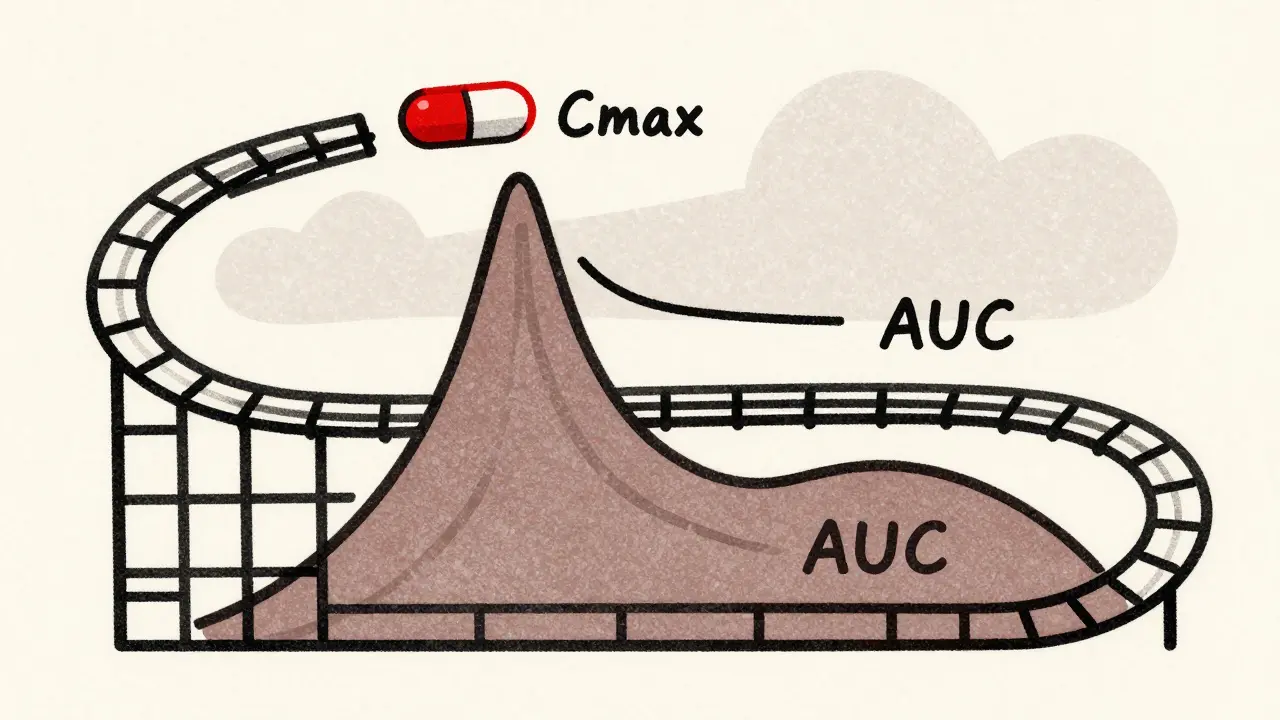
Cmax and AUC are the two key pharmacokinetic measures used to prove generic drugs work like brand-name versions. Learn what they mean, why both are required, and how regulators use them to ensure safety and effectiveness.
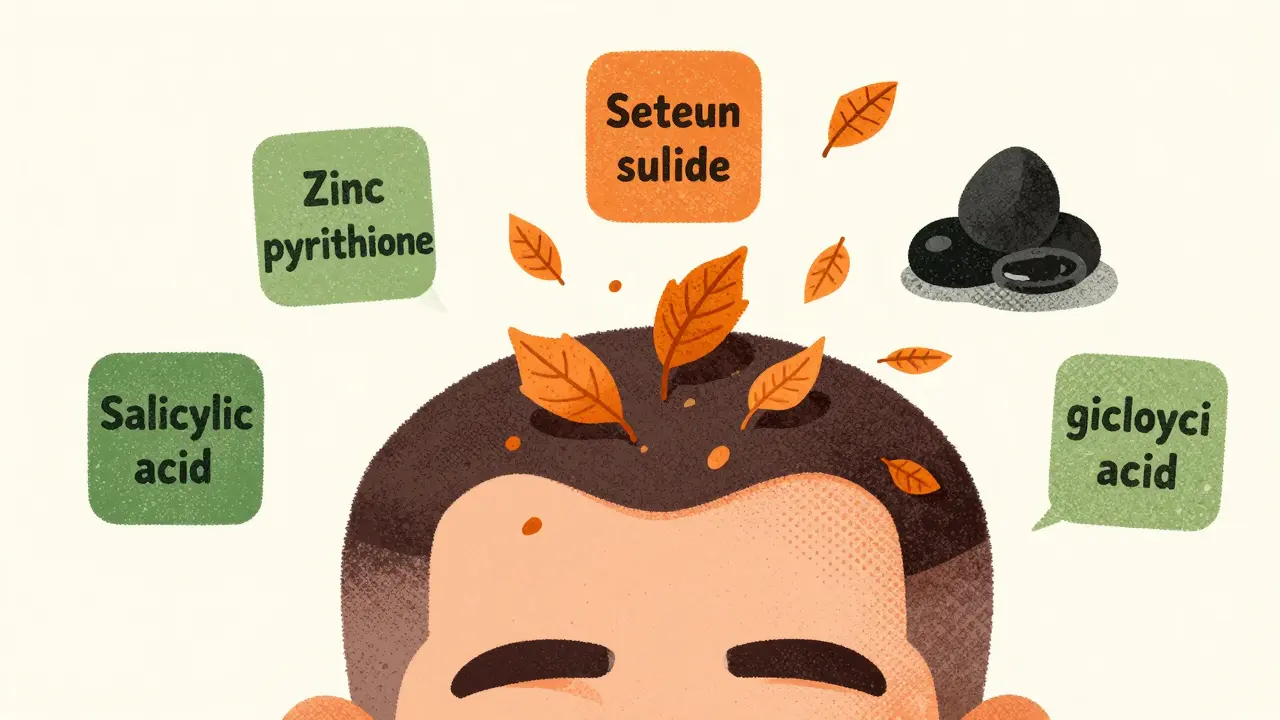
Seborrheic dermatitis causes persistent scalp flaking and itching. Learn how medicated shampoos with ketoconazole, zinc pyrithione, and coal tar target the root cause - Malassezia yeast - and how to use them effectively for long-term control.
Learn how to join patient registries for drug safety, why they matter, what data is collected, and how to protect your privacy. Essential guide for patients on high-risk medications.