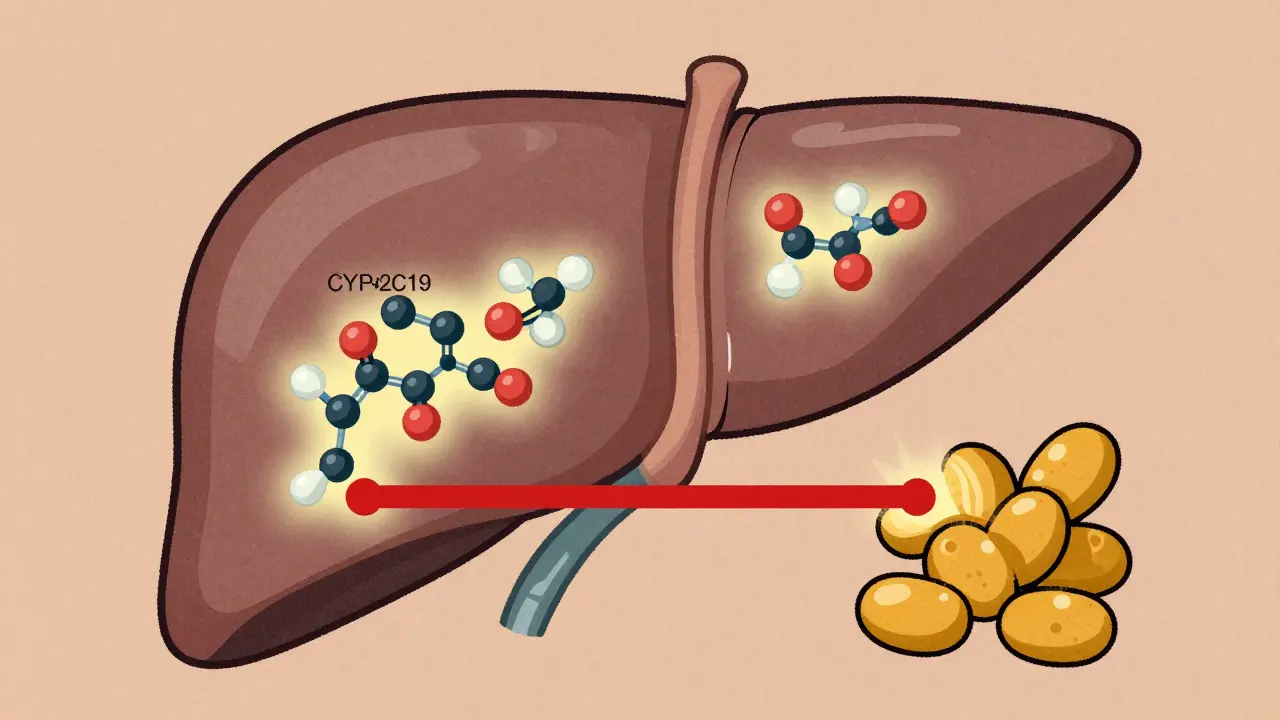
Clopidogrel's effectiveness can be reduced by certain proton pump inhibitors like omeprazole, which block the enzyme needed to activate the drug. Not all PPIs interfere equally - pantoprazole and rabeprazole are safer choices. Know which one you're taking and why.
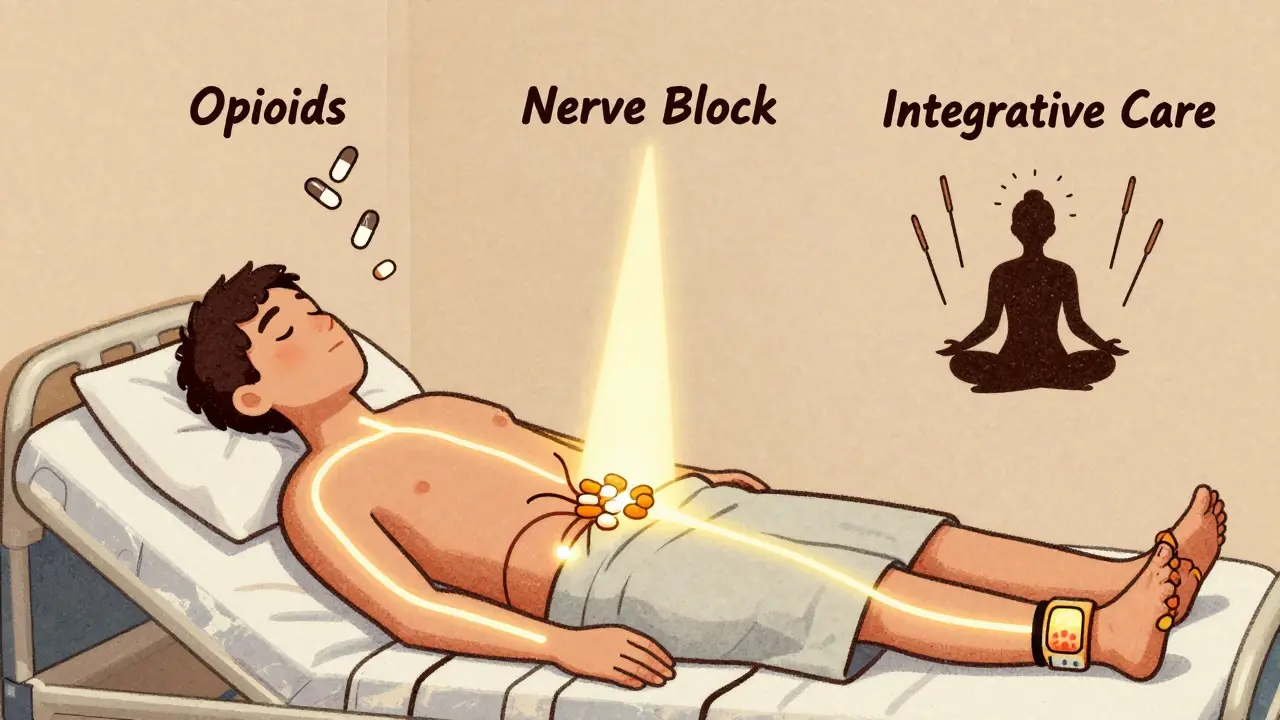
Cancer pain affects nearly half of all patients, but modern care combines opioids, nerve blocks, and integrative therapies for better results. Learn how to manage pain safely and effectively with evidence-based strategies.
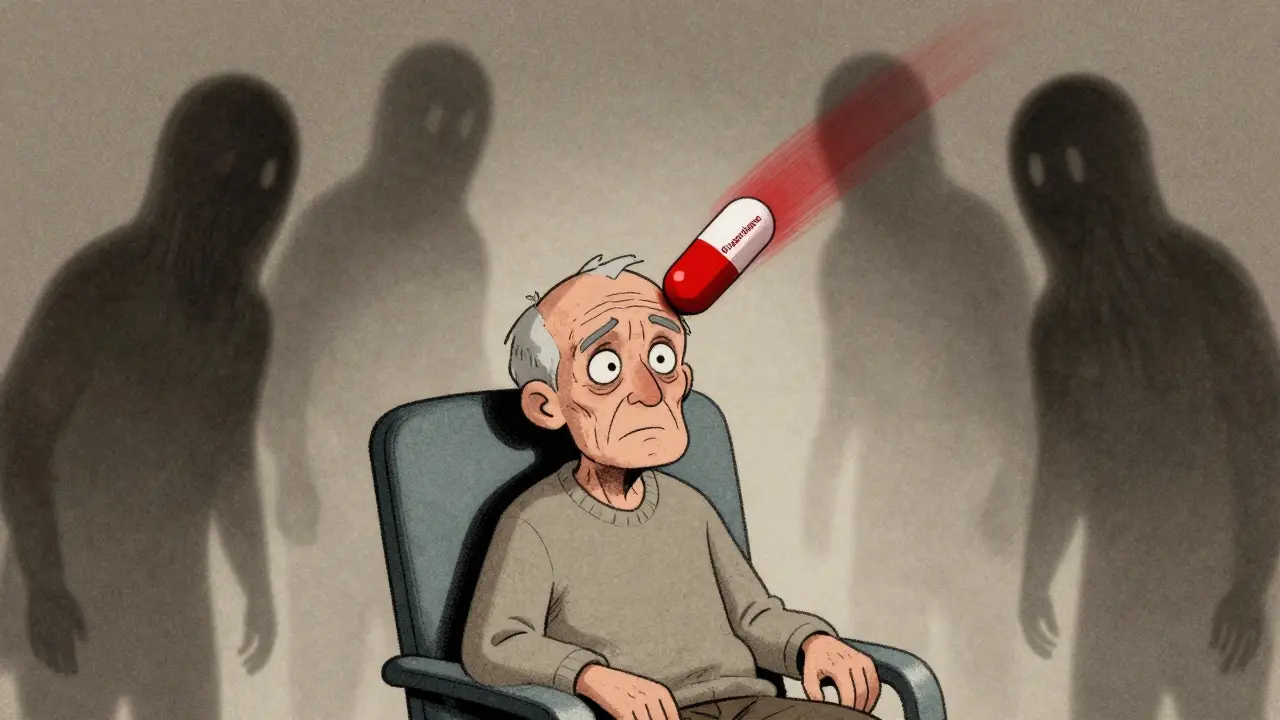
Antipsychotics are commonly prescribed for dementia-related behavior but carry a serious risk of stroke and death in seniors. Evidence shows even short-term use can raise stroke risk by 80%. Safer alternatives exist - and should come first.
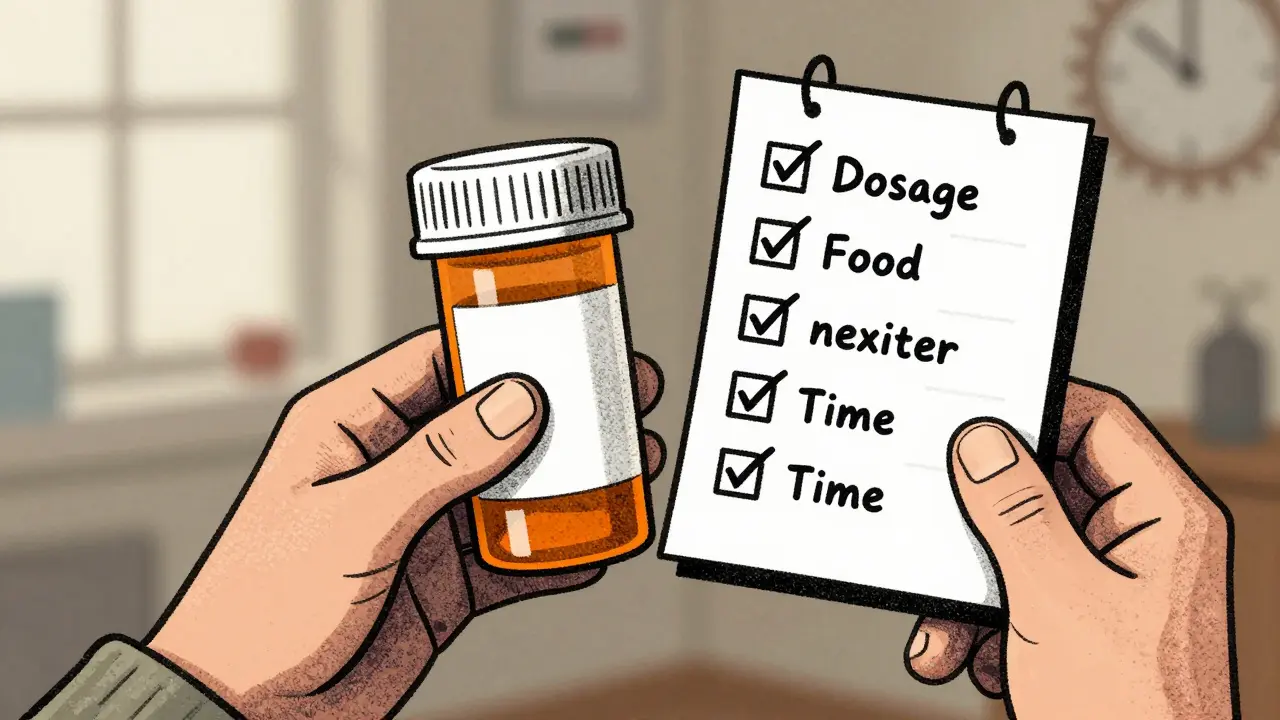
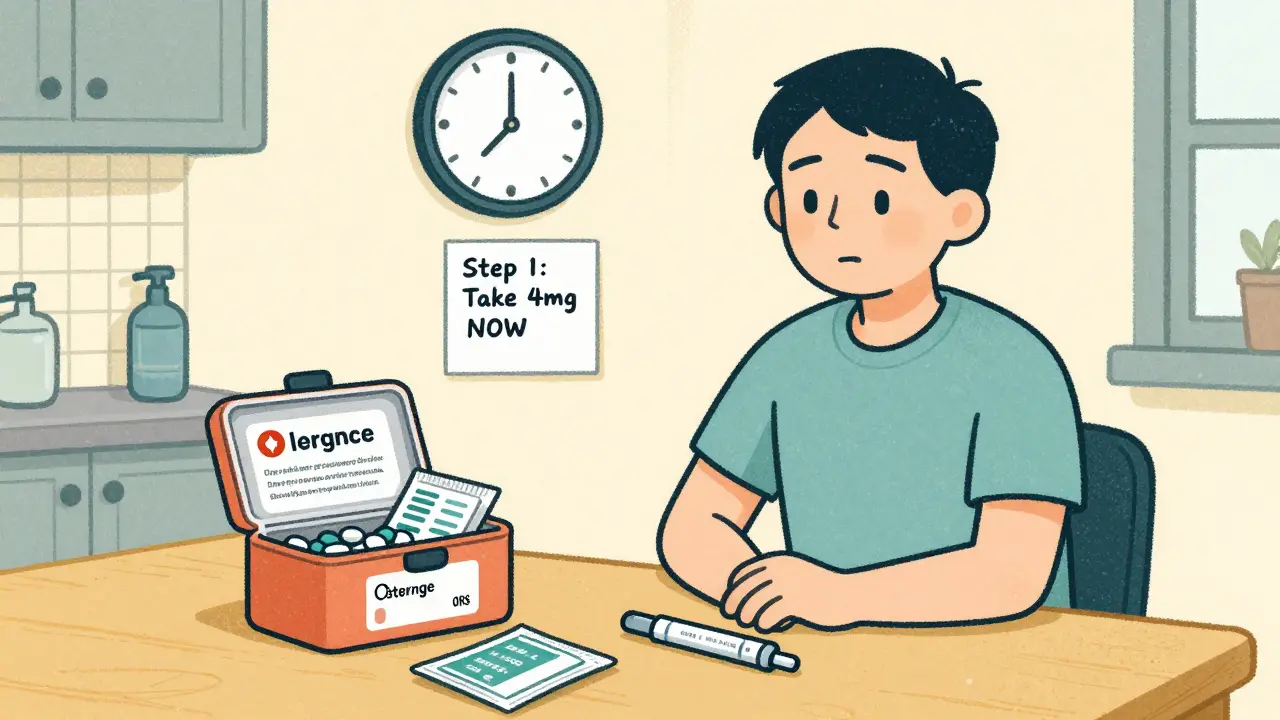
Using medication label details to set reminders cuts errors, prevents interactions, and boosts adherence. Learn how to turn prescription instructions into smart, safe reminders that actually work.
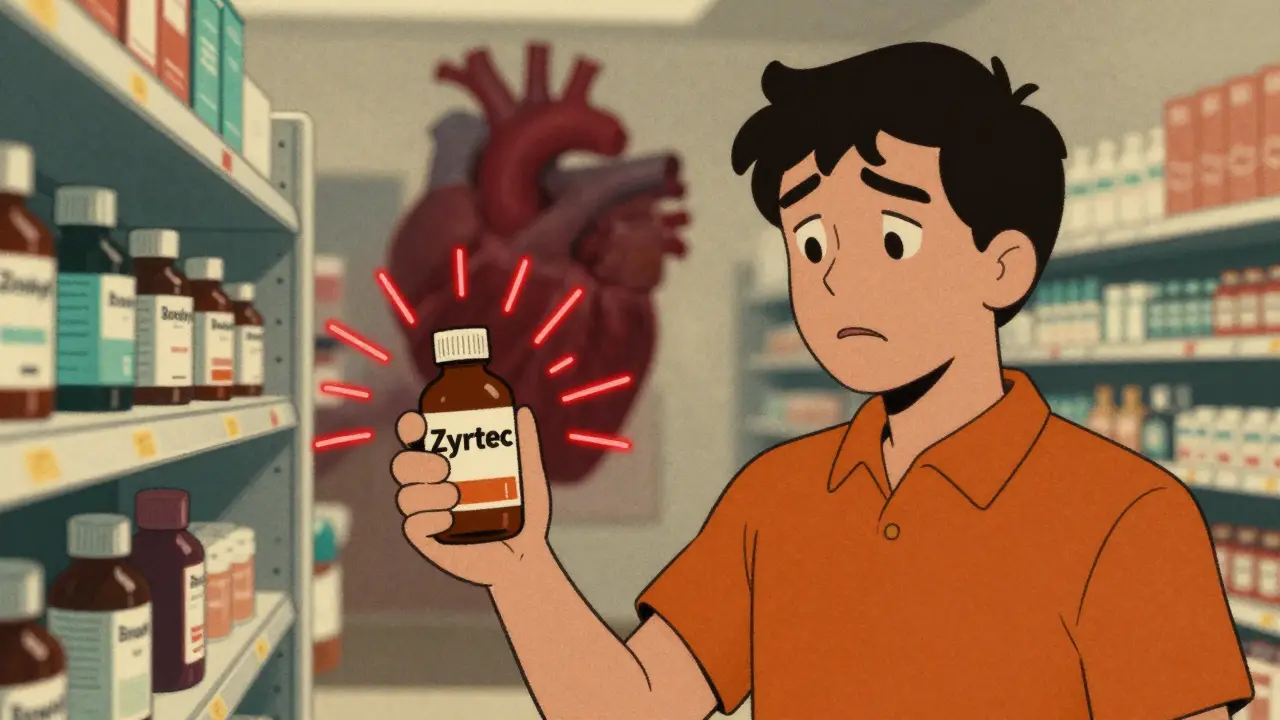
Combination decongestant-antihistamine meds like Zyrtec-D and Claritin-D are popular but carry serious risks - drowsiness, high blood pressure, and overdose. Learn what's really in them and how to use them safely.
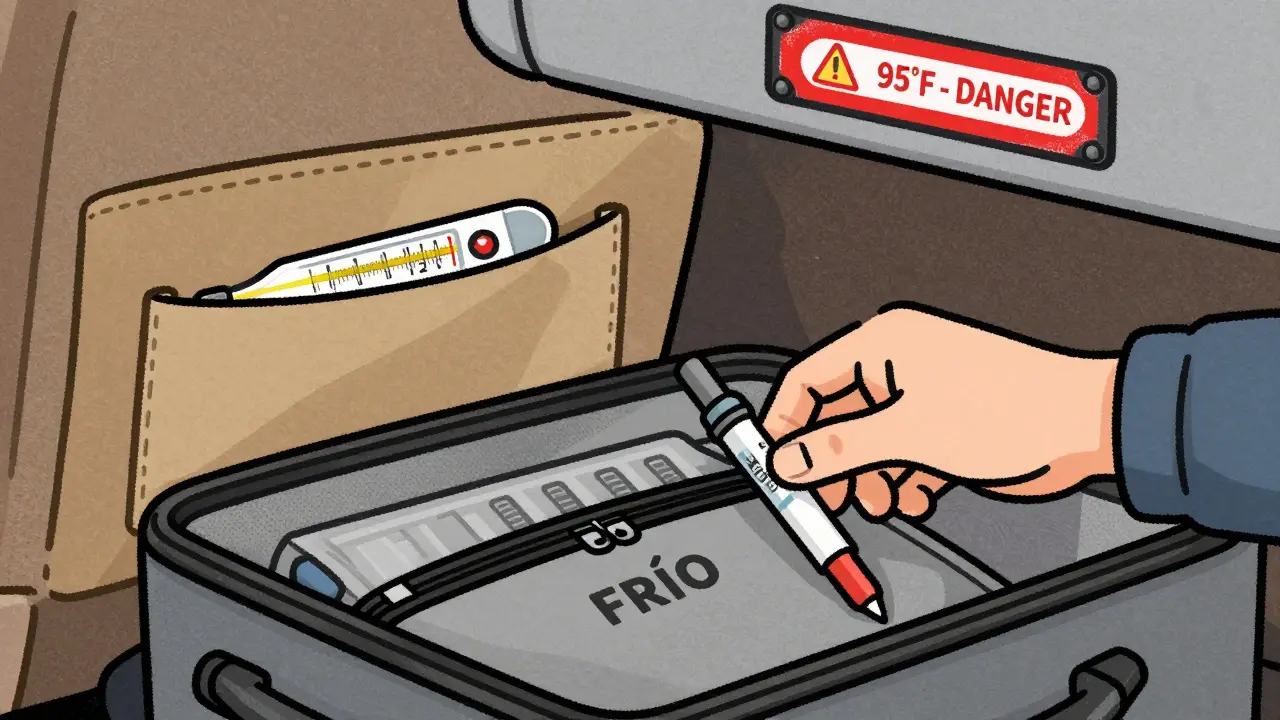
Learn how to store insulin and biologics safely during long flights with practical tips, cooling solutions, TSA rules, and real-world advice from medical experts. Avoid dangerous temperature spikes and ensure your medication works when you need it most.
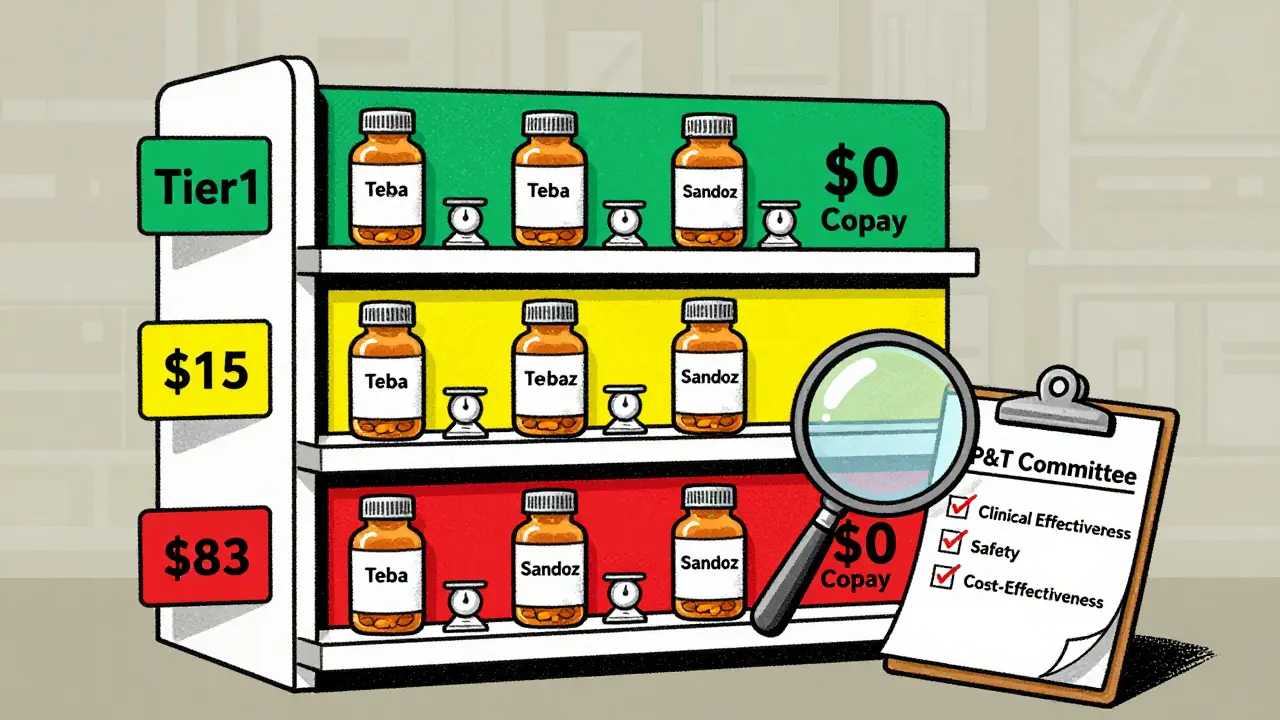
Insurers use strict criteria to decide which generics to cover, balancing cost, safety, and effectiveness. Learn how pharmacy & therapeutics committees make these decisions-and how you can get the drugs you need.
Learn the critical differences between acute and chronic diarrhea, when to use antimotility drugs like loperamide, and why ignoring long-term symptoms can hide serious conditions. Evidence-based guidance for managing diarrhea safely.
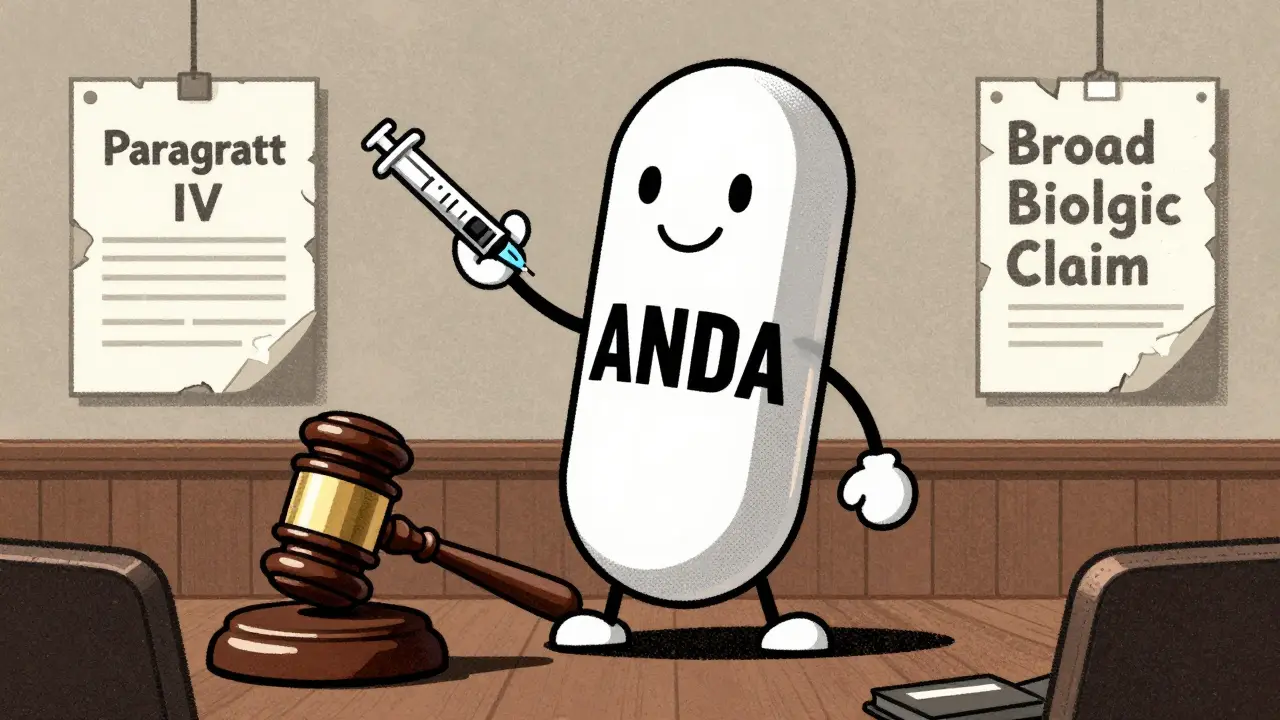
Landmark court decisions like Amgen v. Sanofi and Allergan v. Teva have reshaped how generic drugs enter the market, directly affecting drug prices. These cases define the legal boundaries between innovation and affordability.
Medication-induced diarrhea is a common and potentially serious side effect of chemotherapy, antibiotics, and immunotherapy. This guide covers how to prevent, recognize, and treat it with evidence-based steps - including when to use loperamide, octreotide, and oral rehydration.